By Austin Black II
I've been selling homes in Detroit for nearly two decades, and the sellers who get the strongest outcomes aren't always the ones with the most expensive properties — they're the ones who prepare deliberately. Whether you're listing a historic home in Palmer Woods or a condo in Lafayette Park, the way you present your property before the first showing shapes how buyers perceive its value. Detroit's residential market has been appreciating steadily, with home values across the city gaining over $500 million in 2026 assessments alone — which means a well-prepared home in the right neighborhood is genuinely positioned to perform.
Key Takeaways
- First impressions are made online before buyers ever step inside — photography and curb appeal are your first tools
- Decluttering and depersonalizing are among the highest-return preparation steps, and they cost nothing
- Strategic repairs and updates matter more than wholesale renovation — focus on what buyers will flag
- In Detroit's historic neighborhoods, preserving original character while presenting it cleanly is almost always the right call
Start With What Buyers See First: Curb Appeal
In neighborhoods like Sherwood Forest, Boston-Edison, and University District, the architectural character of the street is part of the draw. Buyers arrive already looking for a reason to fall in love — or a reason to negotiate down. Curb appeal is where that first emotional decision gets made, and it's largely within your control.
A freshly painted front door, trimmed hedges, and a swept walk don't require significant investment. They signal care, and care is what buyers in Detroit's historic neighborhoods are buying as much as the square footage.
Curb Appeal Priorities That Return at Sale
- Fresh paint on the front door and trim — a single afternoon project that changes the entire first impression
- Clean gutters, pruned landscaping, and removal of any debris from the yard or walkways
- Power-washed driveway, steps, and siding where applicable
- Working exterior lighting — buyers doing evening drive-bys notice immediately when lights are out
- In historic neighborhoods: period-appropriate plantings and intact original fencing or ironwork read as assets, not afterthoughts
If your home has a front porch — common across the Craftsman and Tudor Revival homes of Palmer Woods and North Rosedale Park — make sure it's swept, furnished simply, and inviting.
Inside the Home: Edit Before You Stage
The most consistent advice I give sellers applies across every price point and neighborhood: edit aggressively before you stage. A home that's visually quiet lets buyers project themselves into the space. A home that reads as someone else's story makes that harder.
This means removing at least a third of the furniture in most rooms, taking down personal photos and collections, and clearing surfaces throughout the kitchen and bathrooms.
What Buyers Notice in the First 60 Seconds Inside
- Natural light — open every blind and curtain before showings, and replace any burned bulbs
- Smell — pet odors, mustiness, and cooking smells register immediately; a deep professional clean addresses most of this
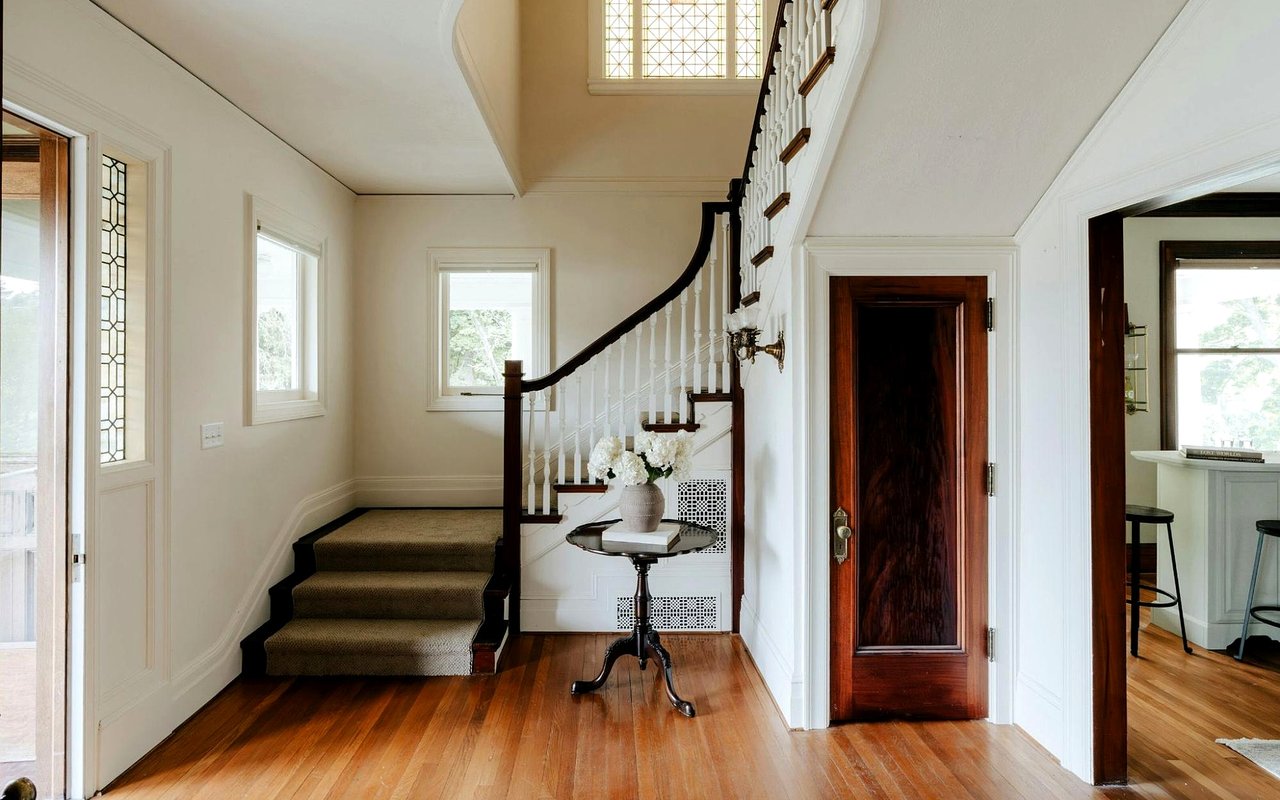
- Floor condition — original hardwood floors in Detroit's historic homes are a genuine selling point; refinishing them before listing almost always returns its cost
- Kitchen and bathroom condition — buyers unconsciously assign overall maintenance level based on these two rooms; dated but clean reads better than updated but dirty
Once the edit is done, staging — whether professional or DIY — is about adding intentionality back in. Fresh towels in the bathroom, a simple arrangement on the kitchen counter, a properly scaled rug in the living room.
Repairs: What to Fix and What to Leave
Not every repair has the same return in the Detroit market, and spending money in the wrong place before listing is a real risk. The repairs that matter are the ones buyers and their inspectors will flag — the ones that become negotiating points or contingencies.
Leaky faucets, non-functioning HVAC systems, damaged roof sections, and electrical issues are the categories that stall deals. Fresh paint in a dated color is cosmetic; a cracked chimney chase is a buyer credit waiting to happen.
The Repair Framework I Use With My Sellers
- Address anything that will appear on an inspection report: roof, HVAC, plumbing, electrical, foundation concerns
- Fix what's visibly broken: holes in drywall, damaged trim, cracked tile, broken hardware
- Touch up paint where it's chipped, scuffed, or outdated — neutral warm tones read well across Detroit's historic interiors
- Leave the major renovations: a kitchen gut or bathroom overhaul rarely returns dollar-for-dollar before a sale; buyers prefer to make those choices themselves
In Detroit's historic neighborhoods specifically, original details — leaded glass, original millwork, period tile, built-in cabinetry — are assets buyers seek out. Preserve them rather than replacing them with generic modern substitutes.
FAQs
How far in advance should I start preparing my home for sale?
For most homes, six to eight weeks gives enough runway to complete repairs, do the deep edit and clean, and arrange for professional photography before listing. Historic homes with deferred maintenance may need more time. I always recommend a walkthrough conversation before any money is spent so you're focused on what actually matters in the current market.
Is professional staging worth it in the Detroit market?
For vacant homes and luxury properties, yes — staged homes photograph better, show better, and attract stronger emotional responses from buyers. For occupied homes that are well-maintained and already edited, focused decluttering and professional photography often accomplish the same goal at lower cost.
What's the single highest-impact thing I can do before listing?
Professional photography. Buyers make their first decision about a home based on the listing photos, and the gap between average and excellent photography is visible immediately. Everything else you do to prepare the home has to come through in those images.
Sell Your Detroit Home With City Living Detroit
Preparing a home for sale the right way takes local knowledge and honest guidance — not a generic checklist. I work with sellers throughout Detroit's historic neighborhoods and across the city to make sure every listing is positioned to perform from day one.