By Austin Black II
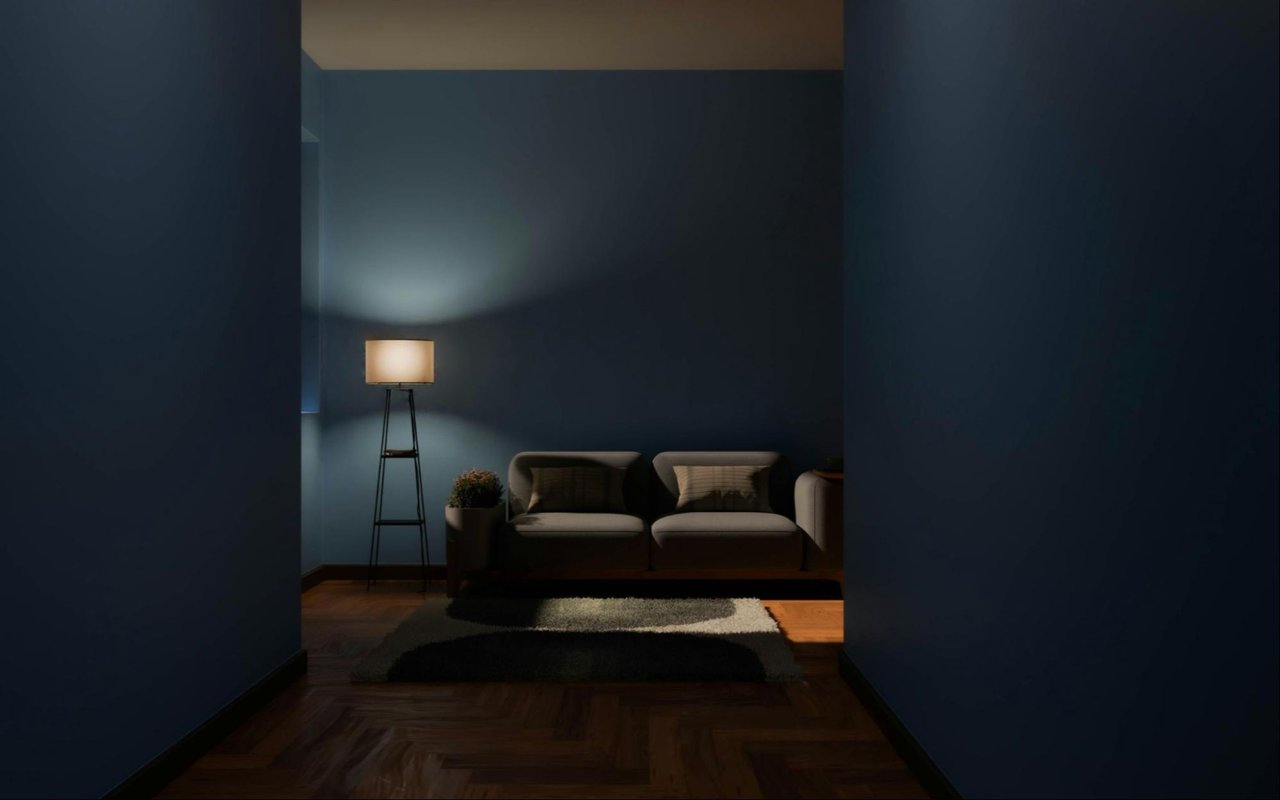
Lighting is the element that professionals get right and most homeowners underestimate. I've been through enough homes — as a buyer, a seller's agent, and someone who's lived in several Detroit properties — to know that the right lighting plan changes how a room feels at a fundamental level. It affects how the architecture reads, how the furniture sits, and whether the room feels welcoming or just illuminated. For anyone settling into a new Detroit home or preparing to list one, here's how to think about it.
Key Takeaways
- Layered lighting — ambient, task, and accent — is the foundation of any well-lit room
- Warm color temperatures (2700K–3000K) make spaces feel welcoming and enhance wood tones, which matters in Detroit's historic homes
- A single overhead light is almost never enough, regardless of its quality
- Lighting upgrades are among the highest-impact, lowest-cost improvements you can make before listing a home
The Three Layers That Make a Room Work
Every well-designed room has three types of light working together, and understanding them changes how you approach any lighting decision.
Ambient lighting is the primary source — it fills the room with general light. In most homes this is the overhead fixture, recessed lights, or a ceiling fan with an integrated light. It's what most people over-rely on, and what creates that flat, overlit feeling when it's the only source in the room.
Task lighting is focused and purposeful — a desk lamp, under-cabinet kitchen lighting, a reading lamp positioned next to a chair. It supports specific activities without flooding the whole room.
Accent lighting creates depth and interest — a picture light over artwork, a backlit shelf, a lamp that washes a textured wall. It's the layer most homeowners skip, and the one that separates a room that looks designed from one that just looks functional.
Ambient lighting is the primary source — it fills the room with general light. In most homes this is the overhead fixture, recessed lights, or a ceiling fan with an integrated light. It's what most people over-rely on, and what creates that flat, overlit feeling when it's the only source in the room.
Task lighting is focused and purposeful — a desk lamp, under-cabinet kitchen lighting, a reading lamp positioned next to a chair. It supports specific activities without flooding the whole room.
Accent lighting creates depth and interest — a picture light over artwork, a backlit shelf, a lamp that washes a textured wall. It's the layer most homeowners skip, and the one that separates a room that looks designed from one that just looks functional.
How to Build Layers in a Detroit Living Room
- Start with ambient: recessed lights on a dimmer or a well-positioned ceiling fixture set lower rather than blazing at full brightness
- Add task: a floor lamp beside a reading chair, table lamps on side tables flanking a sofa
- Add accent: a lamp that highlights original millwork, a picture light over a print or painting, low-wattage lighting inside glass-front built-ins
- Use dimmers wherever possible — the ability to dial down the ambient layer is what makes the other layers visible and effective
In Detroit's historic homes — the Craftsman bungalows, Tudor Revivals, and mid-century moderns of Palmer Woods and Sherwood Forest — the architectural details are worth lighting specifically. Original woodwork, leaded glass, beamed ceilings, and decorative tile all read differently under accent lighting than under a flat overhead wash.
Color Temperature: The Detail That Changes Everything
This is the most commonly misunderstood aspect of home lighting, and getting it wrong makes an otherwise well-designed room feel wrong without the occupant being able to identify why.
Color temperature is measured in Kelvin. The lower the number, the warmer and more amber the light. The higher the number, the cooler and bluer.
For residential living spaces, 2700K to 3000K is the range that works. It produces the warm, amber-toned glow that makes wood floors look rich, textiles appear warmer, and skin tones flattering. Cool light in the 4000K+ range makes spaces feel clinical and commercial — appropriate for a hospital corridor, not a living room in Sherwood Forest.
Color temperature is measured in Kelvin. The lower the number, the warmer and more amber the light. The higher the number, the cooler and bluer.
For residential living spaces, 2700K to 3000K is the range that works. It produces the warm, amber-toned glow that makes wood floors look rich, textiles appear warmer, and skin tones flattering. Cool light in the 4000K+ range makes spaces feel clinical and commercial — appropriate for a hospital corridor, not a living room in Sherwood Forest.
Where Color Temperature Decisions Matter Most
- Living rooms and dining rooms: 2700K; warm and welcoming, pairs with dimmers for flexibility
- Kitchens: 3000K; slightly cooler to support task work while still feeling residential
- Bedrooms: 2700K; the warmest and most relaxed setting in the house
- Bathrooms: 2700K to 3000K depending on the space; avoid anything above 3500K in a bathroom meant to feel spa-like
- Historic homes with original wood and tile: always 2700K; warmer light is what makes those materials sing
LED bulbs now deliver warm color temperatures reliably and efficiently — the technology has closed the gap on incandescent warmth while cutting energy consumption significantly.
Lighting Before a Sale: The Underestimated Upgrade
When I prepare a home for listing, lighting is one of the first things I address. It costs relatively little to change a fixture or swap out bulbs, and the impact on how a home photographs and shows is disproportionate to the investment.
A home photographed with flat, cool overhead lighting reads as institutional. The same home photographed with layered warm lighting looks lived-in, inviting, and well-cared-for.
A home photographed with flat, cool overhead lighting reads as institutional. The same home photographed with layered warm lighting looks lived-in, inviting, and well-cared-for.
Pre-Sale Lighting Checklist for Detroit Homes
- Replace every burned-out bulb — this sounds obvious and is consistently overlooked
- Swap any cool (4000K+) bulbs in living areas and bedrooms for warm (2700K) equivalents
- Add a lamp or two in rooms that currently rely on a single overhead fixture
- Use dimmers wherever they're not already installed — they cost under $20 per switch and change how a room photographs
- In rooms with original Detroit architectural details, add accent lighting that makes those features visible
The difference in showing feedback between a home lit well and one lit poorly is consistent and significant. Buyers feel it before they consciously identify it.
FAQs
What's the easiest lighting upgrade with the most impact?
Replacing cool overhead bulbs with warm 2700K LEDs and adding a floor lamp to any room that currently relies on a ceiling fixture only. These two changes cost under $100 combined and visibly shift how a room feels.
Do I need to hire an electrician to improve my home's lighting?
Not for most improvements. Switching bulbs, adding plug-in lamps, and installing dimmer switches are all owner-doable. Rewiring circuits, adding recessed lighting to a room that doesn't have it, or installing hard-wired sconces requires a licensed electrician. In Detroit's older homes specifically, any new electrical work should include a panel check.
How does lighting affect home value?
Directly during the sale process — homes with good lighting photograph better, show better, and feel more move-in ready to buyers. Indirectly, lighting upgrades as part of a broader pre-sale preparation contribute to the overall perception of condition and maintenance that drives offer strength.
Sell or Buy in Detroit With Someone Who Understands the Details
The difference between a home that performs and one that doesn't often comes down to details — lighting, presentation, pricing, and positioning. I bring that level of attention to every property I represent across Detroit's neighborhoods.
Reach out to me to learn more about how I prepare and market Detroit homes for sale.
Reach out to me to learn more about how I prepare and market Detroit homes for sale.