By Austin Black II
Detroit homes have something most markets can't replicate: genuine architectural character. From the brick Tudors and Colonials in Palmer Woods to the Art Deco details of Lafayette Park's Mies van der Rohe buildings, the homes here come with a design heritage worth building on. The right interior design style for a Detroit home isn't just about what looks good — it's about what works with what's already there.
Key Takeaways
-
Detroit's architectural legacy — Tudor, Colonial, Craftsman, and mid-century modern — gives homeowners a strong design foundation to work with
-
Mid-century modern design has deep local roots, with Cranbrook Academy shaping the careers of designers like Charles and Ray Eames
-
2026 interior design trends favor warmer, more personal spaces over stark minimalism
-
Natural materials, layered textures, and craftsmanship-driven details are defining the most appealing Detroit interiors right now
-
The goal is a home that reflects how you actually live — not one that follows a trend for its own sake
Mid-Century Modern: Detroit's Design Birthright
A style with local roots that runs deeper than most people realize
Mid-century modern isn't just a national trend in Detroit — it's a local legacy. Cranbrook Academy of Art in Bloomfield Hills shaped Charles and Ray Eames, Harry Bertoia, and the Saarinen family. The 1949 "For Modern Living" exhibition at the Detroit Institute of Arts helped define the movement for an entire era. If you own a mid-century ranch or split-level in the University District, Palmer Park area, or Grosse Pointe, leaning into this style makes complete design sense. Clean lines, functional furniture, an indoor-outdoor connection through large windows, and a mix of natural materials and bold accent colors are the hallmarks — and they age beautifully in the right home.
Craftsman and Arts and Crafts: Built-In Character, Honored
The details are already there — work with them, not against them
Craftsman homes throughout Bagley, Green Acres, and Rosedale Park were built with design integrity already in place. Exposed wood beams, built-in bookshelves, wide front porches, and handcrafted tile are the bones of these homes. The best interiors in these spaces layer in warm neutrals, natural textiles like wool and linen, and furniture that prioritizes quality construction over visual flash. In 2026, the broader trend toward craftsmanship-driven interiors plays directly into what these homes have always been — spaces that reward close attention to detail.
Traditional and Historic Preservation: The Tudor and Colonial Standard
Palmer Woods, Indian Village, and Boston-Edison were designed to look this way
Detroit's most storied historic neighborhoods — Palmer Woods, Indian Village, Boston-Edison, Sherwood Forest — are filled with Tudor and Colonial Revival homes that carry their own interior design logic. Crown moldings, raised panel doors, hardwood floors, and decorative fireplaces frame an interior that reads best with traditional furnishings, layered rugs, and warm paint palettes. This doesn't mean the space has to feel frozen in time. Contemporary art, updated kitchens with unlacquered brass hardware, and antique case pieces mixed with modern upholstery are among the approaches designers use to keep these interiors fresh without fighting their architecture.
Contemporary and Minimalist: Right for the Right Space
Midtown condos and new construction call for a different approach
Not every Detroit home is historic. Midtown condos, downtown loft conversions, and the newer builds along the riverfront development corridors have an entirely different design vocabulary — open floor plans, high ceilings, and industrial-influenced finishes like exposed concrete and steel. Contemporary interiors that prioritize clean lines, open layouts, and flexible space planning are the natural fit. In 2026, even contemporary spaces are moving away from cold minimalism toward warmer textures, darker accent tones, and carefully chosen statement pieces that give the space personality without clutter.
Warm Maximalism: The Direction of 2026
More personal, more layered, and rooted in what you actually love
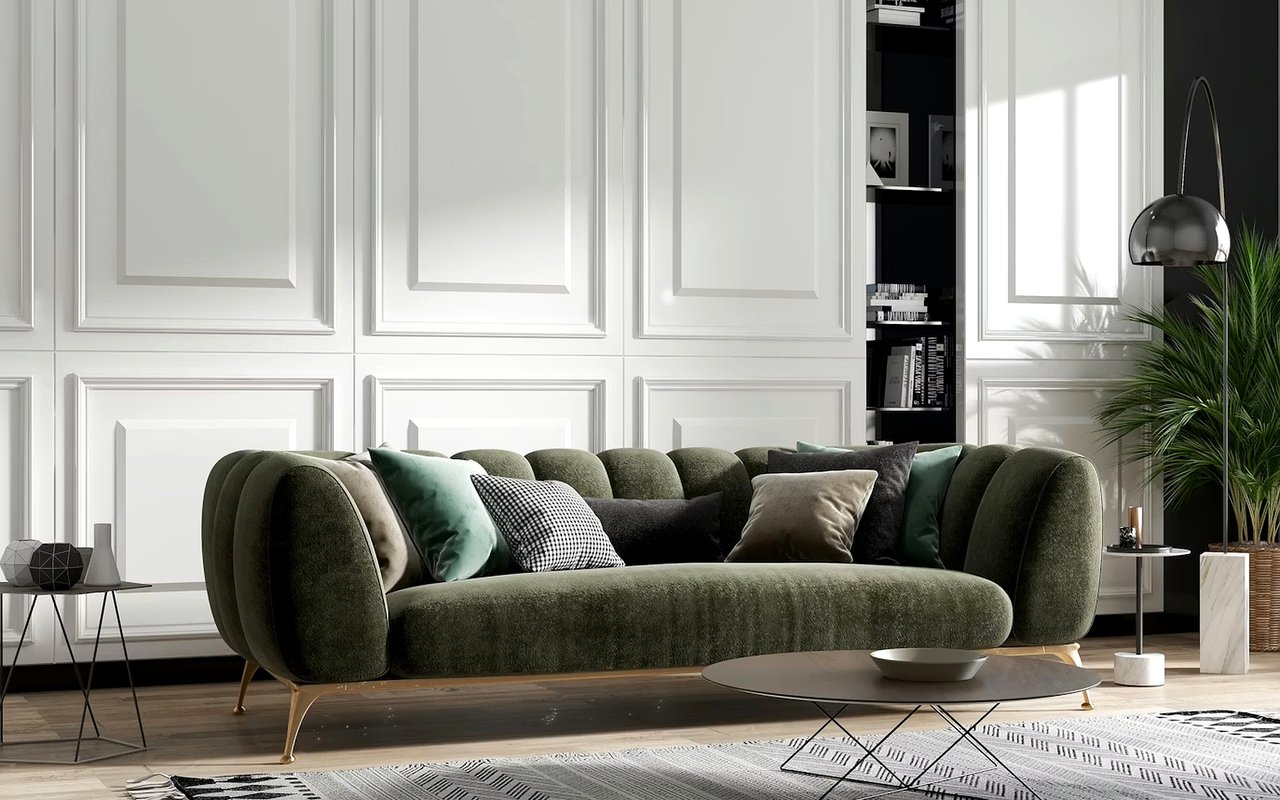
The design conversation in 2026 has shifted away from the spare, all-white aesthetic that dominated the last decade. Designers are describing the current direction as quieter and warmer — spaces that reflect the people living in them rather than a showroom aesthetic. Vintage and mid-century pieces are being mixed with contemporary furniture. Earthy palettes — deep tones, warm browns, terracotta, and soft greens — are replacing gray as the default. Textured wallcoverings referencing grasscloth, plaster, and natural stone are appearing in rooms that once had flat painted walls. For Detroit homeowners, this trend aligns well with the city's existing architectural inventory — the homes here were built with character, and design directions that celebrate that character rather than erasing it tend to age the best.
FAQ
Does my interior design choice affect my home's resale value?
Yes, though the effect is most pronounced in staging rather than in permanent finishes. Neutral palettes, thoughtful furniture placement, and design choices that feel warm and move-in ready consistently help homes sell faster and for more. Highly personalized finishes can appeal to some buyers and deter others, so the more a design choice is reversible, the less it affects resale.
How do I choose a design style for a Detroit home with mixed architectural elements?
Start with the strongest architectural feature in the home and let that guide the direction. If the home has original hardwood floors and built-in millwork, lean into a Craftsman or traditional approach. If it has steel casement windows and open volumes, contemporary or mid-century modern may suit it better. When in doubt, choose a neutral foundation and layer in the specific style through furniture and textiles rather than permanent finishes.
Are there local resources in Detroit for mid-century modern design specifically?
Yes. Tom Gibbs Studio in Ferndale is a well-regarded resource for authentic mid-century pieces. Cranbrook's ongoing programming, exhibitions, and campus tours also offer context for the movement's local history. For homeowners renovating mid-century properties, working with a designer who understands the regional architectural heritage makes a real difference in the outcome.
Find a Detroit Home Worth Designing For
The right home gives you something worth working with. I specialize in historic and architecturally distinctive properties across Detroit's most established neighborhoods, and I know what makes a space worth investing in. Reach out to me to explore Detroit homes for sale.