If you want a Detroit neighborhood where architecture shapes everyday life, Indian Village deserves a close look. This is the kind of place where historic homes, mature trees, and riverfront access all work together to create a very specific living experience. If you are wondering what it is really like to live here, this guide will walk you through the homes, the lifestyle, and the practical details that matter before you buy. Let’s dive in.
Where Indian Village Sits In Detroit
Indian Village is on Detroit’s east side, about three miles from downtown. The best-known residential core is the three-street district of Burns, Iroquois, and Seminole between Jefferson and Mack.
At the same time, city planning documents treat the broader Indian Village area as extending to the Detroit River and including apartment buildings and riverfront parcels south of Jefferson. For you as a buyer, that means Indian Village is not just a quiet pocket of historic homes. It is a compact historic enclave with immediate access to the east riverfront corridor.
Indian Village Architecture Stands Out
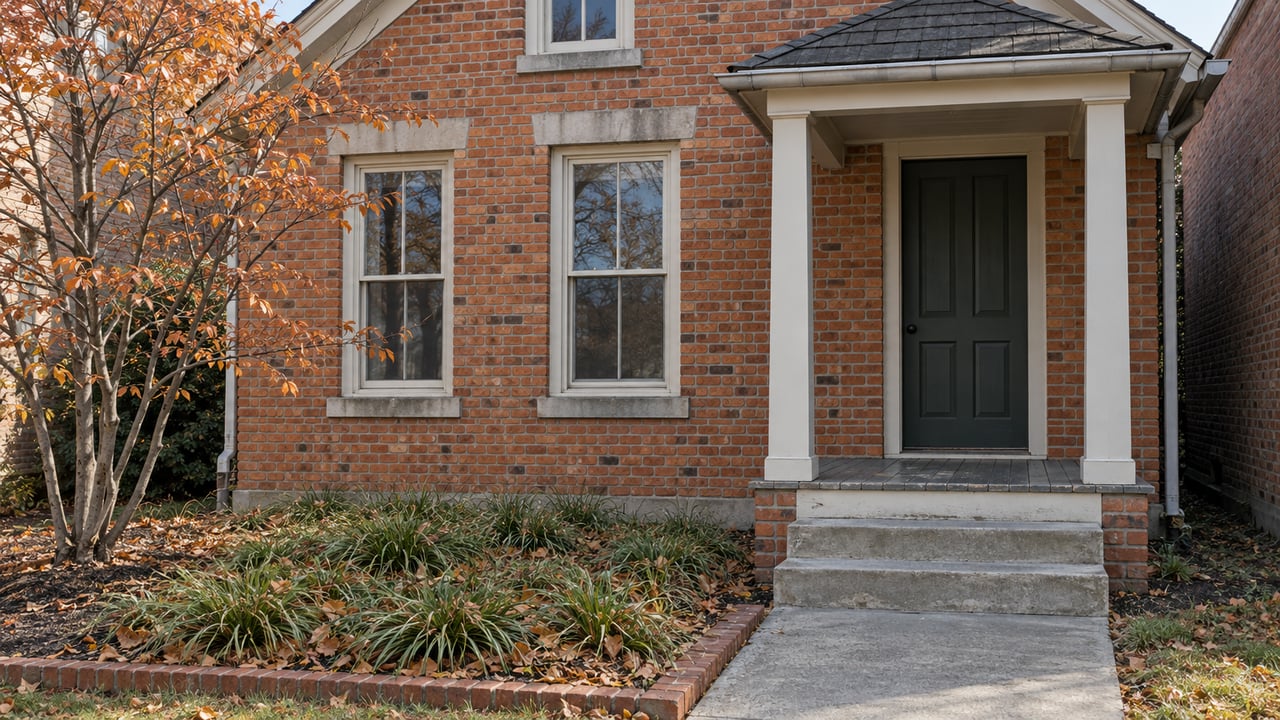
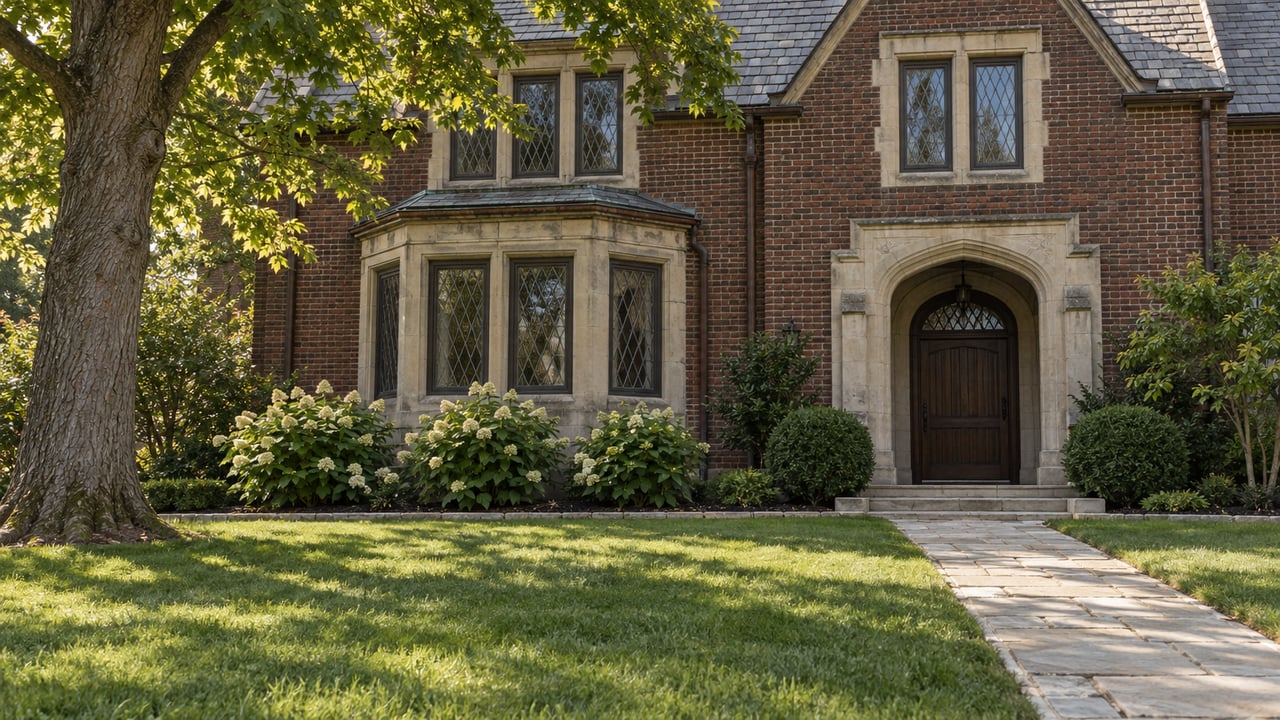
If architecture is one of your top priorities, Indian Village is one of Detroit’s signature neighborhoods. Much of the area was built between 1895 and the late 1920s, and the neighborhood includes 17 architectural styles.
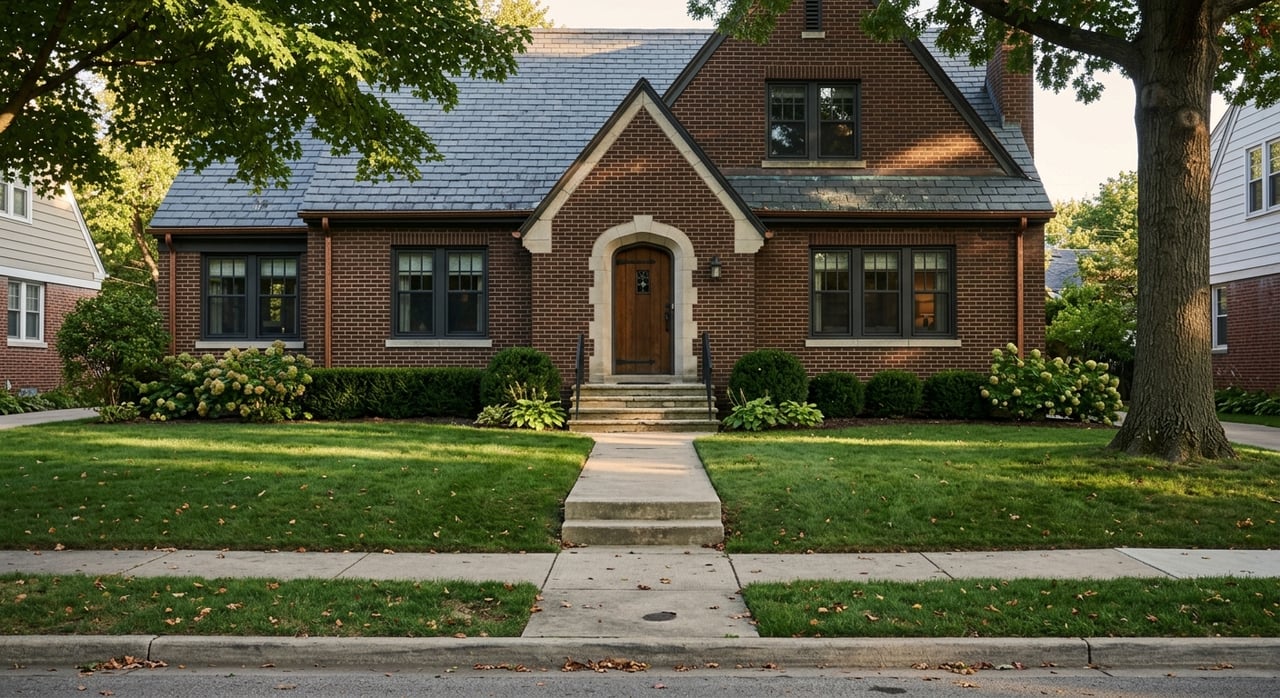
You will see Georgian, Federal, Colonial Revival, Arts and Crafts, Romanesque, and Tudor Revival homes throughout the district. Many homes were also designed by notable architects including Albert Kahn, Louis Kamper, and William Stratton, which adds another layer of interest for buyers who care about design history.
What The Homes Often Include
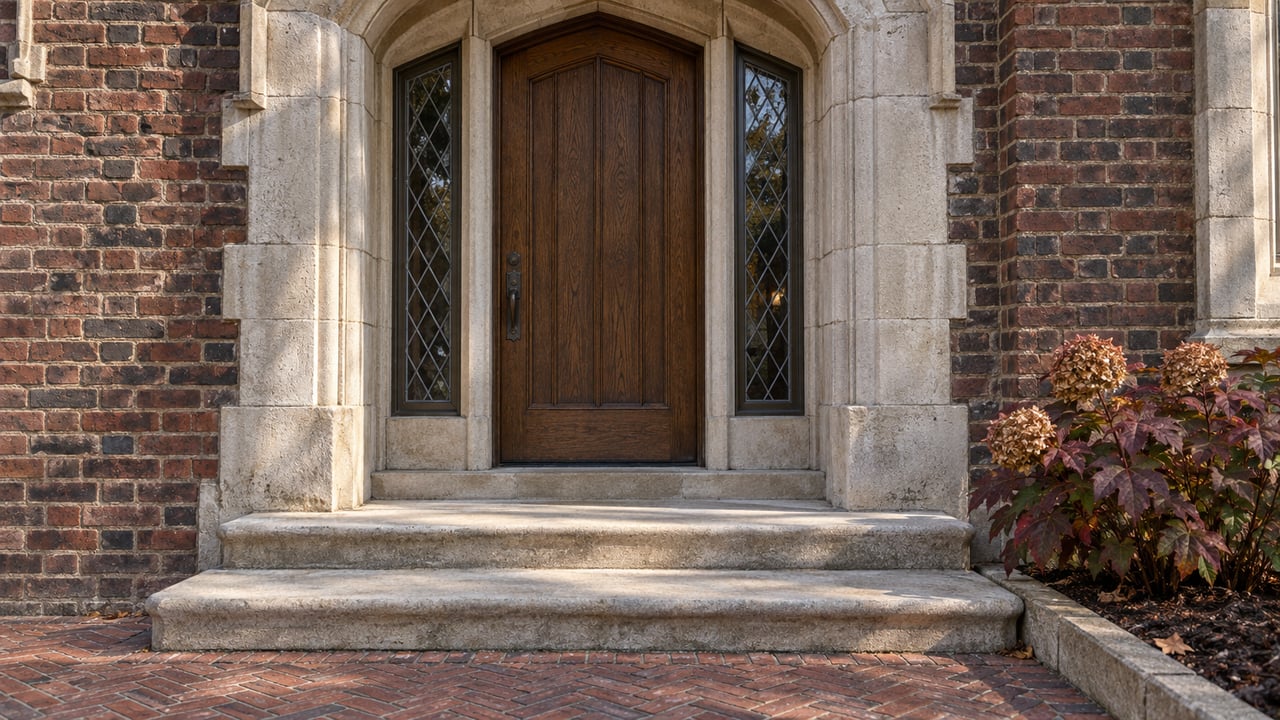
Indian Village homes are known for craftsmanship and scale. Depending on the property, you may find details such as:
- Pewabic tile
- Carved wood moldings
- Onyx fireplaces
- Vaulted ceilings
- Elevators
- Third-floor ballrooms
- Servants' quarters
- Carriage houses
Some homes are exceptionally large, with examples over 12,000 square feet. Even the accessory structures can feel substantial, since many carriage houses read more like separate secondary buildings than simple garages.
Why The Housing Stock Feels Different
Indian Village was originally developed as a first-class residential district, with pricing set high enough that only wealthy buyers could build there. That early history still shows up today in the lot sizes, home scale, and level of architectural detail.
For you, that means the neighborhood often appeals to buyers who want more than square footage alone. It tends to attract people who value craftsmanship, historic character, and homes that make a strong visual impression from the street.
Daily Life In Indian Village
Indian Village is not just a collection of beautiful old houses. It functions as a lived-in neighborhood with active civic traditions and a visible culture of stewardship.
The annual Home and Garden Tour is one of the clearest examples. Current tour materials describe it as featuring a small sample of homes and gardens from the neighborhood’s roughly 350 houses, which tells you both the size of the district and the level of resident engagement.
A Strong Stewardship Culture
The neighborhood’s garden and preservation work are part of daily life here. The Men’s Garden Club reports about 70 members, meets most months, and helps maintain the Centennial Garden, the Indian Village Greenspace, and a street-tree project that has planted more than 150 trees.
That kind of ongoing volunteer work helps explain why Indian Village feels so cared for. You are buying into a place where residents have invested time in preserving the neighborhood’s landscape and identity, not just their own homes.
Gaslights, Trees, And Evening Character
One of Indian Village’s most distinctive features is its gaslights. They were first installed in 1968 for beauty and security, and they remain part of the district’s identity alongside the tree canopy and garden spaces.
The Centennial Garden, created in 1995 on three lots at Seminole and Charlevoix, adds another layer to the neighborhood feel. Current materials describe it as a Victorian-style garden supported through community fundraising and volunteer maintenance, which gives you a sense of how preservation here extends beyond the homes themselves.
Nearby Amenities And Recreation
One of the biggest lifestyle advantages of living in Indian Village is how close you are to the east riverfront. That proximity changes the way the neighborhood lives day to day.
You are near Belle Isle Park, a 985-acre island park in the Detroit River. Belle Isle includes the James Scott Memorial Fountain, the Anna Scripps Whitcomb Conservatory, the Belle Isle Aquarium, a golf course, and the Ralph Wilson Gateway, which serves as the official southern trailhead for the Iron Belle Trail.
Riverwalk Access Adds Flexibility
The Detroit Riverwalk currently stretches almost five miles and offers pedestrian and bike access along the river. It also includes seasonal dining at Cullen Plaza, plus bike rentals and tours through Wheelhouse Detroit.
For many buyers, this is part of the real draw of Indian Village. You get the visual richness and residential feel of a historic neighborhood, but you are also close to major outdoor and waterfront amenities that support a more active lifestyle.
What Everyday Convenience Looks Like
Inside Indian Village, the streets are mostly residential and historic in character. Just outside that core, East Jefferson functions as a nearby commercial corridor for residents and for visitors heading toward Belle Isle and riverfront parks.
That setup gives the neighborhood a useful balance. The interior feels quieter and more residential, while Jefferson helps support everyday errands and city access.
Transit And Downtown Access
Indian Village is also connected by DDOT Route 9 Jefferson. Stops include Jefferson and Seminole and Jefferson and Burns, with service connecting to the Rosa Parks Transit Center downtown.
That does not mean most residents will rely only on transit, but it does provide a real bus option. If you want flexibility for commuting or getting downtown without always driving, that is a practical point in the neighborhood’s favor.
Historic District Rules Matter
If you are thinking about buying in Indian Village, this is one of the most important practical points to understand. Indian Village became a local historic district in 1971 and was listed on the National Register of Historic Places in 1972.
Once a local historic district is established, exterior alterations are reviewed by the Historic District Commission. Indian Village materials also note that changes such as paint color and major landscaping require approval and a permit.
What That Means For You As A Buyer
The tradeoff is pretty straightforward. You get stronger protection for the neighborhood’s historic character, but you also get less freedom to make visible exterior changes on your own timeline.
For some buyers, that structure is a major benefit because it helps preserve the look and feel of the district. For others, especially buyers who want easy exterior remodeling or a lower-maintenance newer home, it may feel restrictive.
Interior space is generally less regulated than exterior appearance, so the key question is how much preservation responsibility you are comfortable taking on. This is where neighborhood-specific guidance matters, especially if you are comparing Indian Village with other historic Detroit neighborhoods.
Who Indian Village Usually Fits Best
Indian Village tends to be a strong fit if you value architecture, preservation, and a neighborhood with a strong identity. It can also be a good choice if you want quick access to downtown and the east riverfront without giving up the feeling of living in a distinct residential district.
It may be less ideal if your top priority is a newer home, simple exterior updates, or a property that asks for very little long-term stewardship. The neighborhood rewards buyers who appreciate historic homes for what they are and who are comfortable with the responsibilities that come with them.
The Broader Area Has More Than One Housing Type
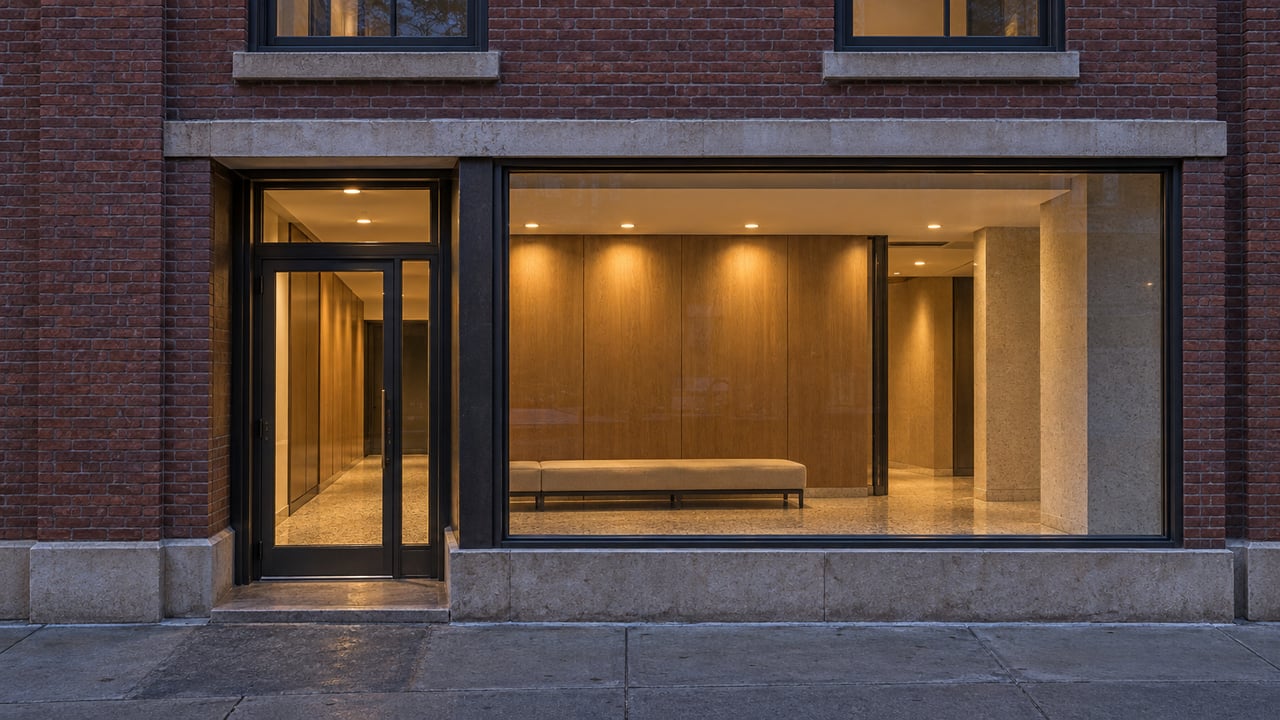
It is also important to distinguish between the historic core and the broader planning area. South of Jefferson, the larger Indian Village context includes riverfront apartment buildings and a more mixed residential pattern.
That distinction matters during your search. Not every property tied to the Indian Village name offers the same architecture, setting, or ownership experience, so it helps to define early whether you want the preservation-heavy core, the river-adjacent area, or a broader east-side lifestyle with Indian Village as the anchor.
Why Buyers Keep Coming Back To Indian Village
Indian Village offers a combination that is hard to duplicate in Detroit. You get historic architecture, strong neighborhood identity, active stewardship, and close access to the riverfront, Belle Isle, and downtown.
For the right buyer, that mix creates a lifestyle that feels both grounded and connected. If you want a neighborhood where the homes tell a story and the setting supports daily life beyond your front door, Indian Village remains one of Detroit’s most distinctive options.
If you are considering a move to Indian Village and want help sorting through historic district rules, housing styles, and block-by-block fit, connect with Austin Black at City Living Detroit. You will get practical, neighborhood-level guidance built around how you actually want to live.
FAQs
What is Indian Village in Detroit known for?
- Indian Village is known for its historic homes, wide range of architectural styles, preserved residential core, gaslights, and close access to the Detroit riverfront and Belle Isle.
What kinds of homes are in Indian Village Detroit?
- Indian Village includes large historic homes built mostly between 1895 and the late 1920s, with styles such as Georgian, Federal, Colonial Revival, Arts and Crafts, Romanesque, and Tudor Revival.
Do Indian Village Detroit homes have historic district restrictions?
- Yes. Because Indian Village is a local historic district, exterior changes are reviewed by the Historic District Commission, and some updates such as paint color and major landscaping also require approval and a permit.
Is Indian Village Detroit close to downtown?
- Yes. Indian Village is about three miles from downtown Detroit, which gives residents relatively quick access to downtown destinations and the east riverfront corridor.
What is the lifestyle like in Indian Village Detroit?
- The lifestyle combines historic residential living with active neighborhood stewardship, community traditions like the Home and Garden Tour, and easy access to outdoor amenities such as Belle Isle and the Detroit Riverwalk.
Is Indian Village Detroit a good fit for every buyer?
- No. Indian Village is usually a better fit for buyers who value architecture and preservation, and it may be less suited to buyers who want easy exterior remodeling or a low-maintenance new-build experience.