By Austin Black II
This is one of the questions I get most often from sellers — and the honest answer is that it depends on more variables than most people account for before they start. I've walked through hundreds of homes across Detroit's neighborhoods before listings, and the sellers who end up with the strongest outcomes are usually the ones who made a deliberate, informed decision about this question rather than defaulting to one approach. Here's how I think through it.
Key Takeaways
- Selling as-is is a legitimate strategy in Detroit's current market, particularly for investment-grade buyers and sellers prioritizing speed
- Strategic upgrades — not wholesale renovations — almost always outperform both extremes
- The right answer depends on the home's price point, neighborhood, current condition, and the seller's timeline
- In Detroit's historic neighborhoods, preserving and presenting original features is usually worth more than replacing them
What "As-Is" Actually Means in Michigan
In Michigan, selling as-is means you are selling the property in its current condition without making repairs or improvements. It does not mean you can conceal known defects. Michigan law requires sellers to complete a Seller's Disclosure Statement covering structural, mechanical, and environmental conditions — "as-is" changes what you'll fix, not what you must disclose.
The as-is category has two distinct buyer pools in Detroit: investors and renovation-minded buyers who specifically seek properties to improve, and buyers with the vision and resources to take on a project themselves.
The as-is category has two distinct buyer pools in Detroit: investors and renovation-minded buyers who specifically seek properties to improve, and buyers with the vision and resources to take on a project themselves.
When Selling As-Is Makes the Most Sense
- The home requires significant structural or systems work that would cost more to complete than it would return at sale
- The seller's timeline is short and carrying costs, staging, and repair logistics don't fit the situation
- The home is priced to reflect its condition accurately — as-is pricing only works when it's honest
- The neighborhood's buyer pool skews toward investors, which in certain Detroit zip codes remains active and competitive
- Approximately 38.9% of Detroit home sales are currently cash transactions, reflecting the strength of investment buyer demand in the market
Pricing an as-is home correctly is the central challenge. Over-price it and it sits; under-price it and you leave real money behind.
The Case for Strategic Upgrades
The opposite of as-is isn't a full renovation — it's targeted preparation. The sellers who spend money wisely before listing almost always net more than those who sell as-is at a discount, provided they focus on the right things.
In Detroit's market, buyers respond strongly to move-in readiness. A clean, well-maintained home with fresh paint and functioning systems reads as lower risk and attracts stronger offers and broader financing options. That's the core value of pre-sale improvements — not transformation, but risk reduction.
In Detroit's market, buyers respond strongly to move-in readiness. A clean, well-maintained home with fresh paint and functioning systems reads as lower risk and attracts stronger offers and broader financing options. That's the core value of pre-sale improvements — not transformation, but risk reduction.
The Upgrades That Return in the Detroit Market
- Fresh neutral interior paint: one of the highest return-per-dollar improvements across all price points; buyers register condition through paint condition almost immediately
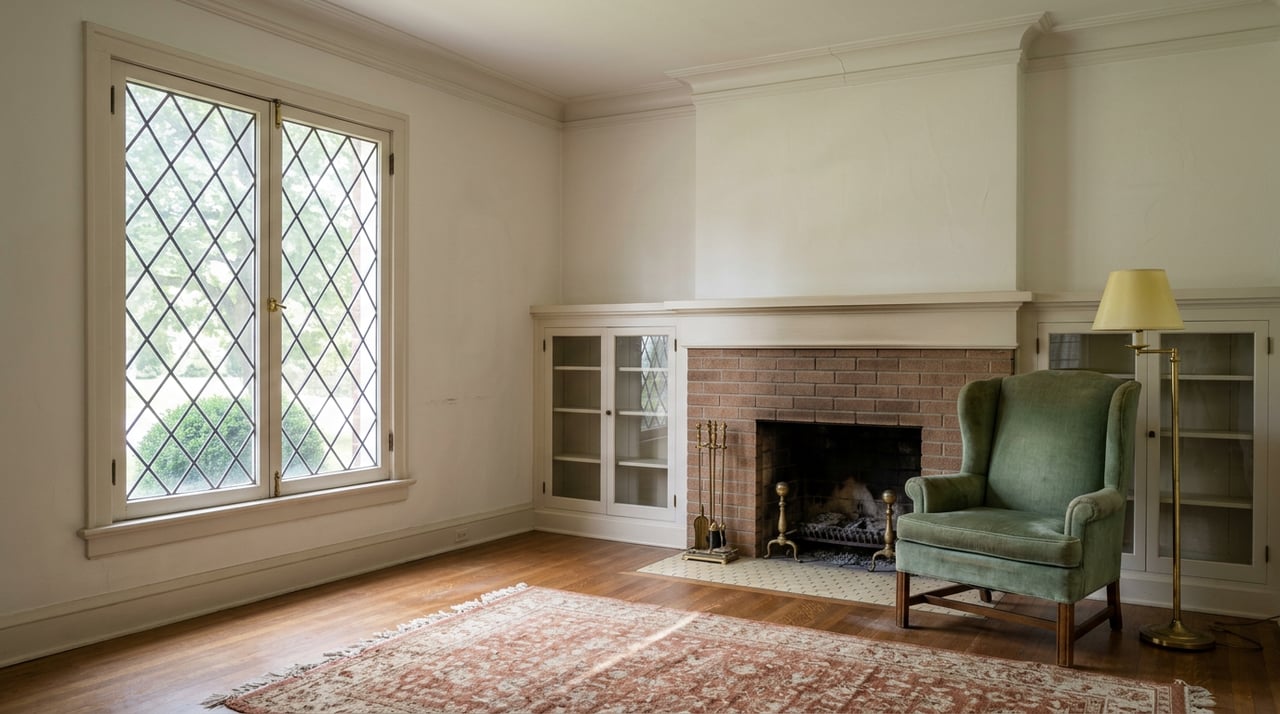
- Hardwood floor refinishing: in Detroit's historic homes especially, original hardwood floors refinished and properly lit are a genuine selling point — far more valuable than flooring replacement
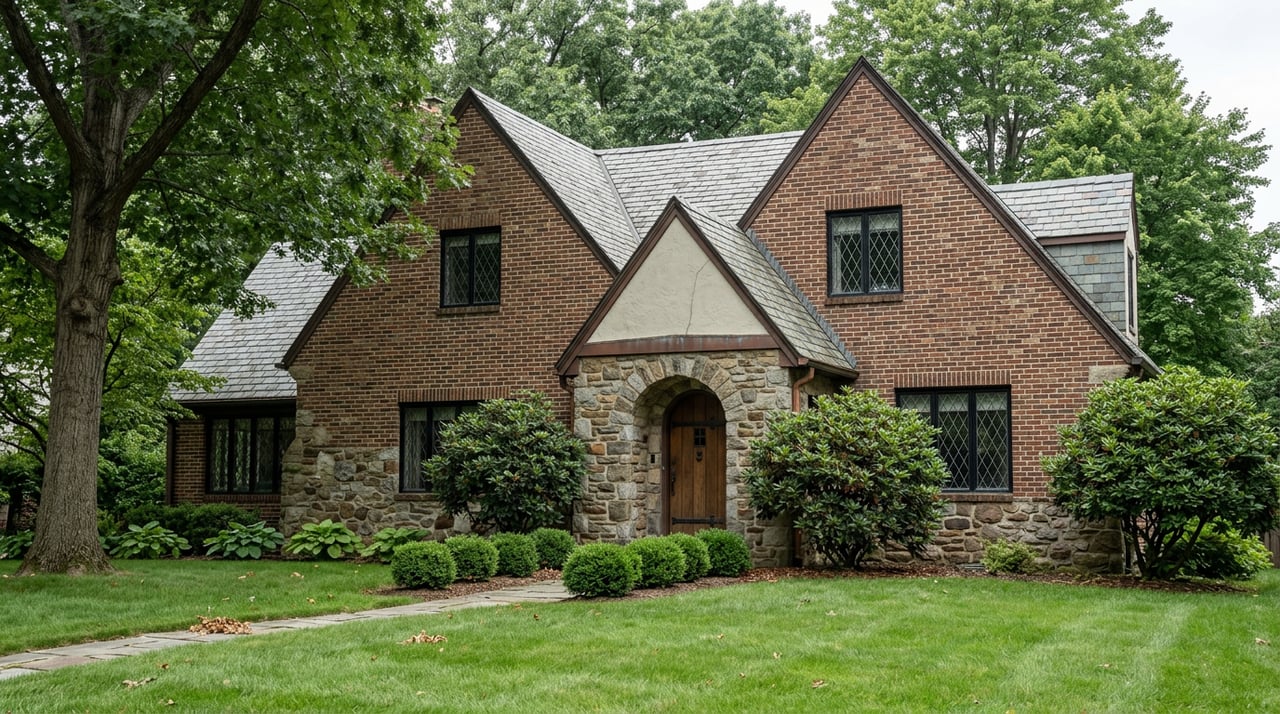
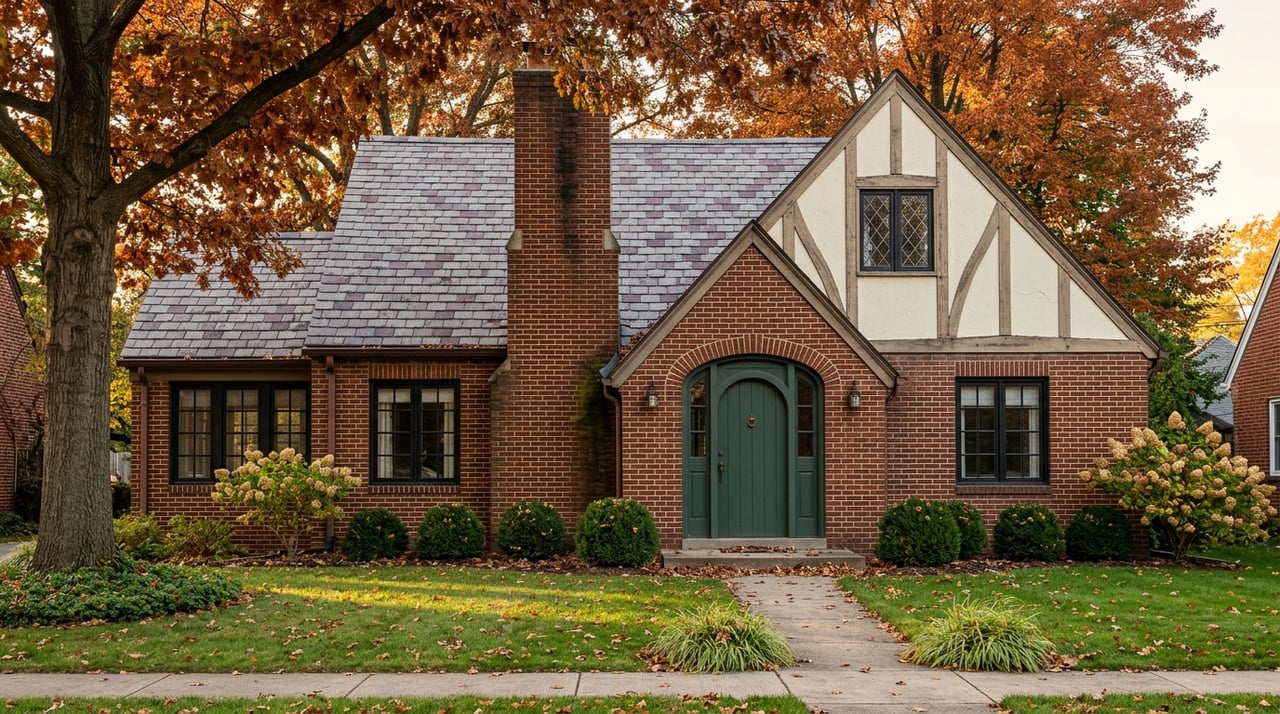
- Curb appeal basics: power washing, pruned landscaping, a painted front door, and functioning exterior lights address the first impression before buyers ever step inside
- Fixture and hardware updates: replacing dated light fixtures, cabinet hardware, and faucets is low cost and high visual impact
- Addressing inspection red flags: leaky faucets, non-functioning HVAC, damaged gutters, and visible deferred maintenance become buyer credits if left unaddressed; fixing them before listing prevents renegotiation
What doesn't return dollar-for-dollar in most Detroit sale scenarios: major kitchen renovations, luxury bathroom overhauls, new roofing when the existing roof is functional, and highly personalized design choices. Buyers in most of Detroit's price points prefer to make those decisions themselves.
How I Make the Recommendation
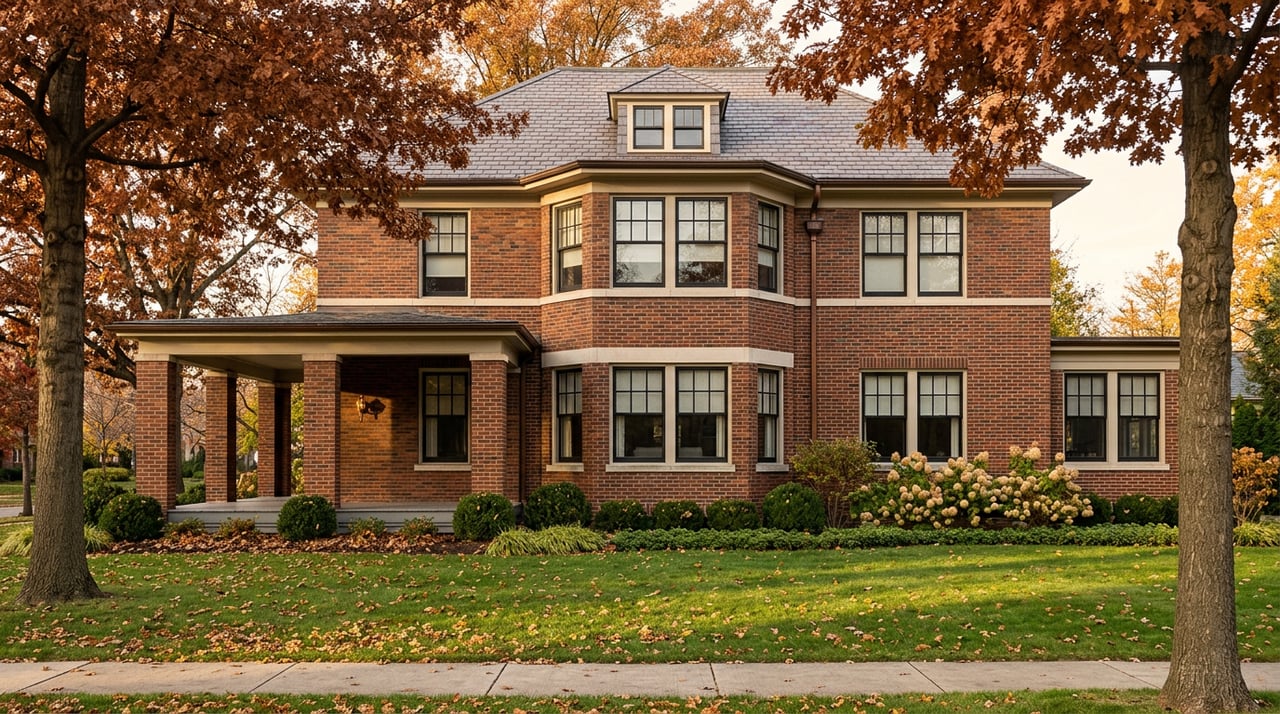
When I walk through a home with a seller before listing, I'm making a condition assessment through the lens of the current buyer pool in that specific neighborhood. A Sherwood Forest home priced above $600,000 has a different buyer than a Boston-Edison home priced at $350,000, and the upgrade calculus is different for each.
The consistent principle: fix what will appear on an inspection report, address what reduces perceived risk, and leave the rest for the buyer.
The consistent principle: fix what will appear on an inspection report, address what reduces perceived risk, and leave the rest for the buyer.
The Framework I Use
- Structural and systems issues: always address — they become negotiating leverage against you if you don't
- Cosmetic improvements with broad appeal: paint, floors, landscaping — yes, these return
- Room-specific renovations: only if the comp set in the neighborhood supports the premium
- Original architectural details: preserve, clean, and present — don't replace with generic modern substitutes
FAQs
Can I negotiate on price after accepting an as-is offer in Detroit?
In Michigan, a buyer can still request credits or price reductions after inspection even in an as-is sale, if they have an inspection contingency. As-is means you won't make repairs, not that the buyer can't negotiate based on what the inspection reveals. Setting clear expectations in the offer language matters.
How much should I expect to discount for an as-is sale?
It varies significantly by property and neighborhood. Cash buyers and investors typically offer 30% to 70% of fair market value depending on condition. The more work required, the larger the discount. A seller who can address even a few of the property's major issues before listing will almost always net more than a straight as-is sale.
What if I've already started improvements — should I finish them?
Finish what you've started if stopping midway leaves the home in worse visual condition than before you began. A partially renovated kitchen or bathroom is harder to sell than either a finished one or an untouched original. Call me before you start the next phase if you're unsure whether it returns.
Sell Your Detroit Home Strategically With City Living Detroit
Getting this decision right requires knowing the Detroit market at the neighborhood level, understanding which upgrades buyers in your price range actually respond to, and pricing the outcome correctly. That's exactly what I bring to every seller conversation.
Reach out to me to learn more about how I help Detroit sellers make the right pre-sale decisions.
Reach out to me to learn more about how I help Detroit sellers make the right pre-sale decisions.