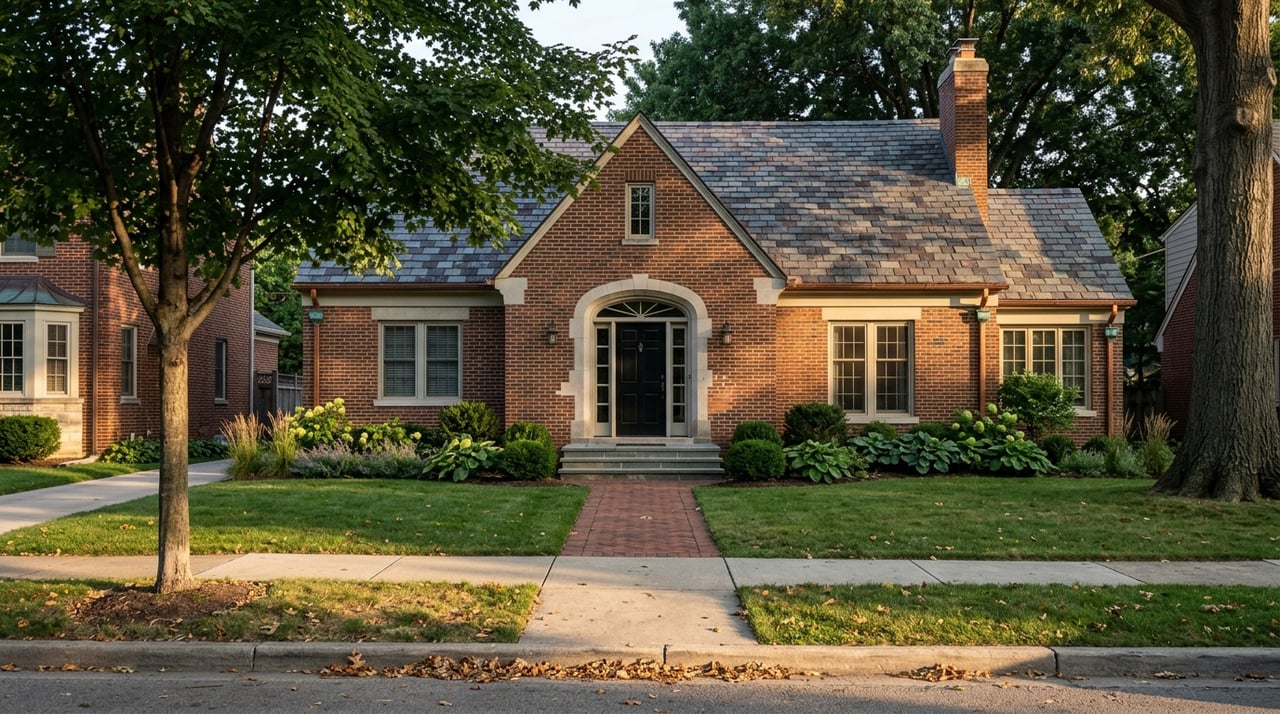
If you are drawn to Detroit’s classic brick homes and neighborhood character, University District deserves a close look. Buying here can feel exciting and a little complex because the appeal goes beyond square footage and finishes. You are also buying into a specific block pattern, older housing stock, and a neighborhood structure with its own service layer. This guide will help you understand how University District works so you can evaluate homes here with more clarity and confidence. Let’s dive in.
Why University District stands out
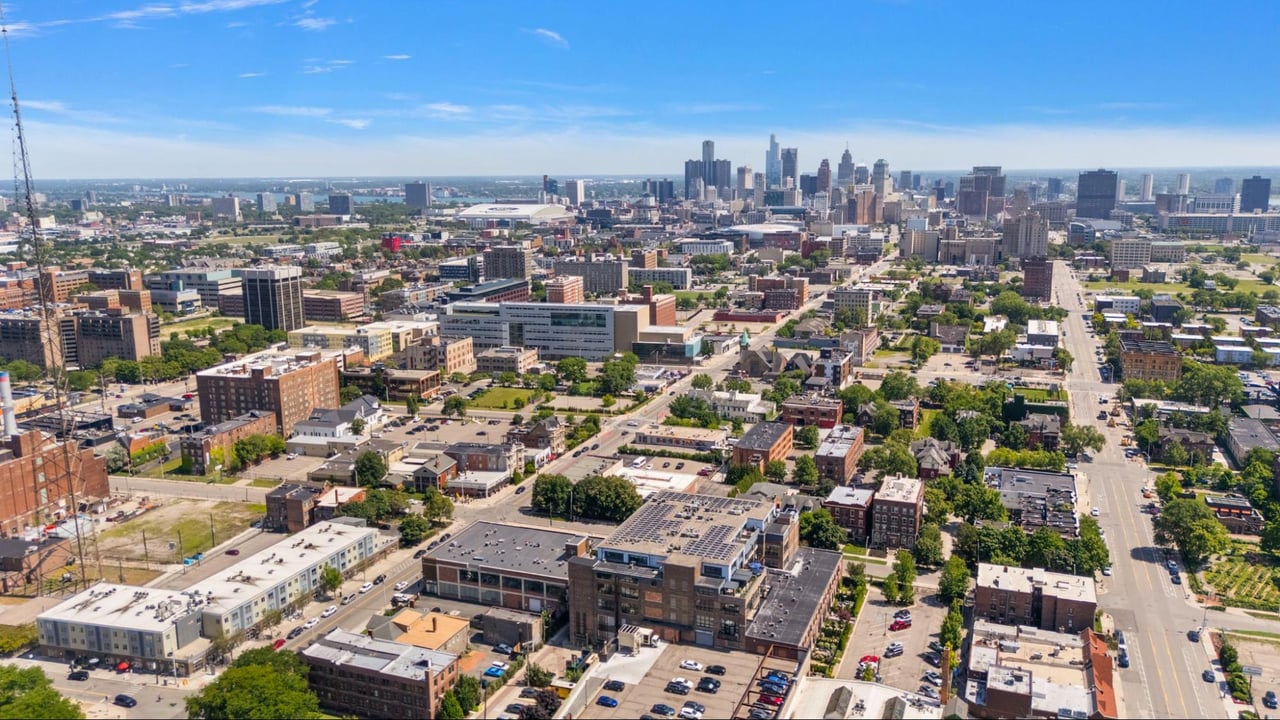
University District is a residential neighborhood in northwest Detroit bounded by Livernois on the west, Parkside on the east, Seven Mile on the north, and West McNichols on the south. It sits just north of the University of Detroit Mercy and directly east of the Livernois Avenue of Fashion corridor, which gives it a strong connection to both residential streets and everyday amenities.
For buyers, that location matters. You get a neighborhood setting with quick access to a walkable commercial corridor rather than needing to drive far for basic errands, dining, and services. That edge-of-neighborhood convenience is one of the area’s biggest practical advantages.
University District is also part of a broader northwest Detroit historic-residential cluster. Sherwood Forest is directly north across Seven Mile, with Palmer Woods and Green Acres nearby in the same wider market conversation. Even so, University District has its own identity and should be evaluated on its own street pattern, housing stock, and lot logic.
What kind of homes you will find
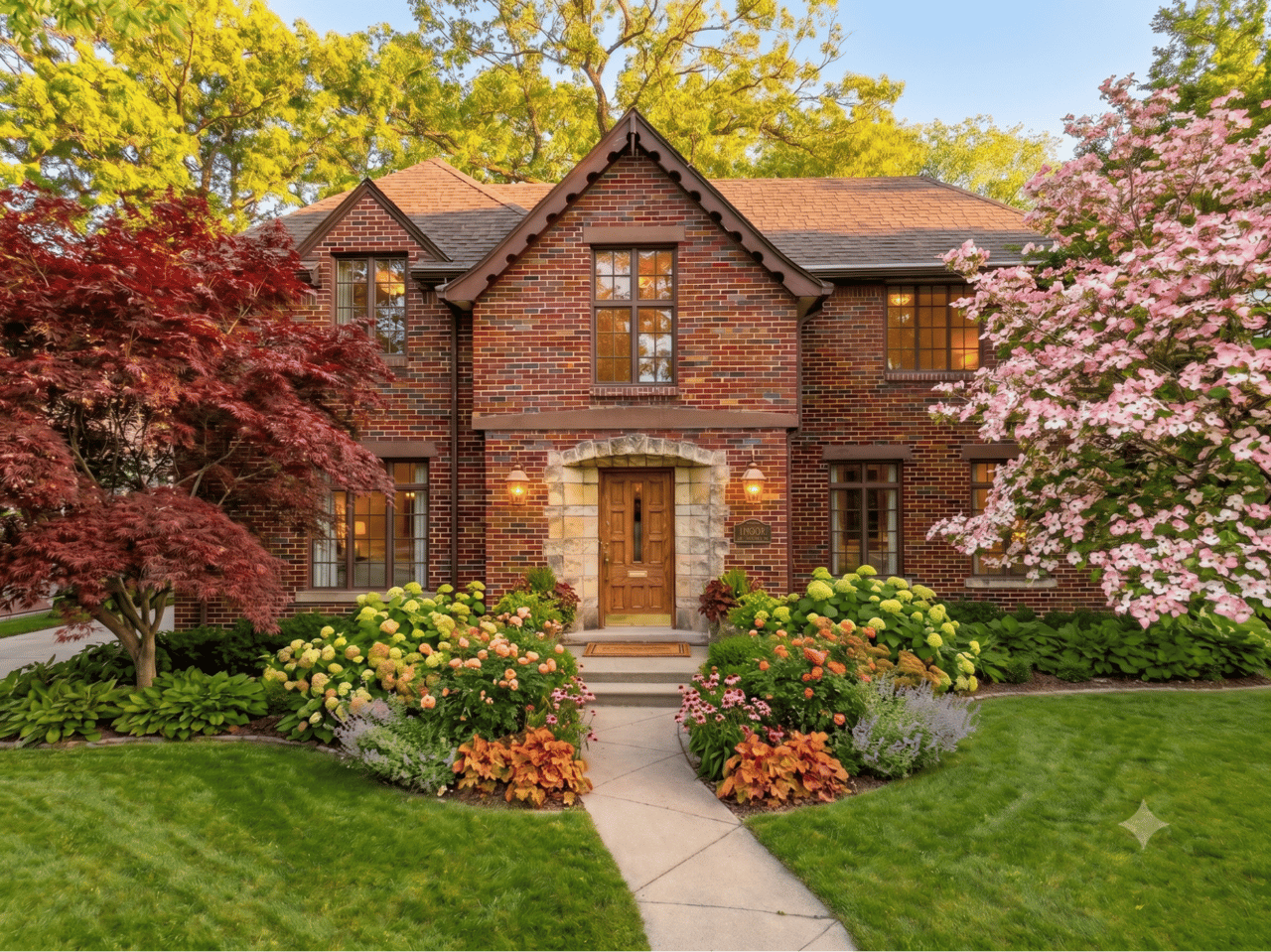
The neighborhood’s core housing stock dates to the 1920s and 1930s. Sources vary on home count, but the area is generally described as having about 1,200 to 1,400 homes. For a buyer, the more important point is that this is a prewar neighborhood where architectural character is one of the main reasons people choose to live here.
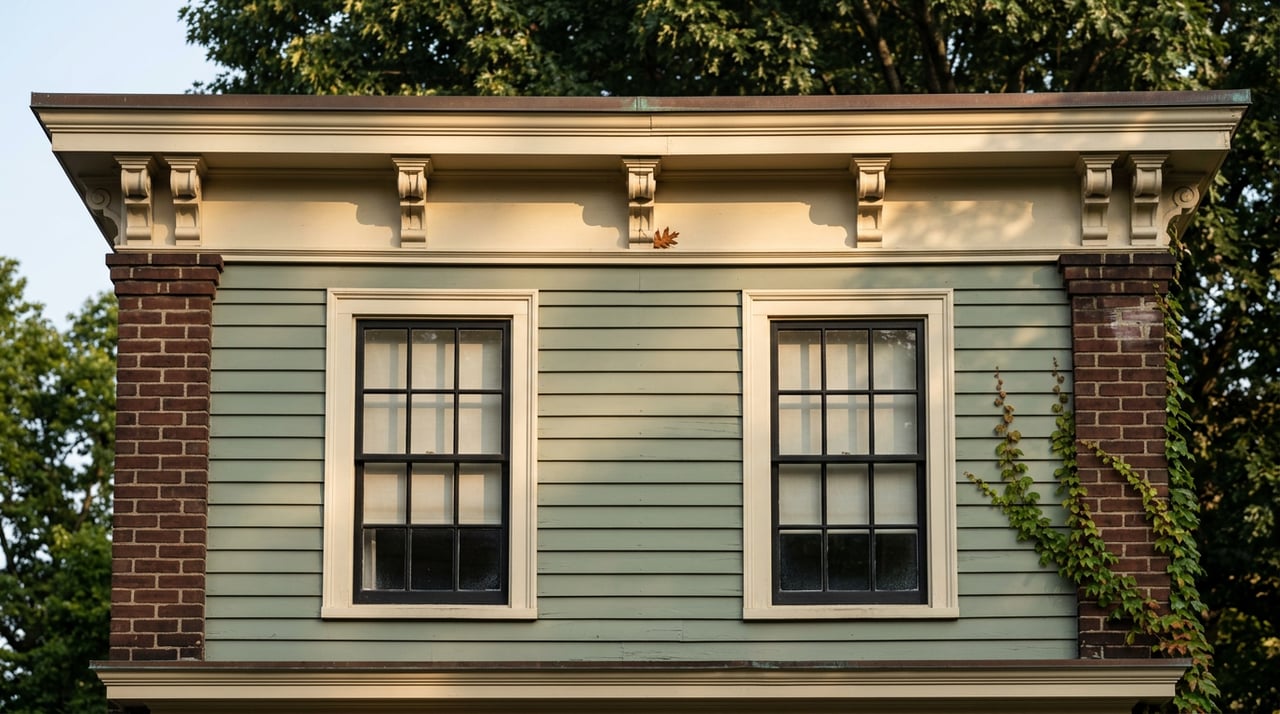
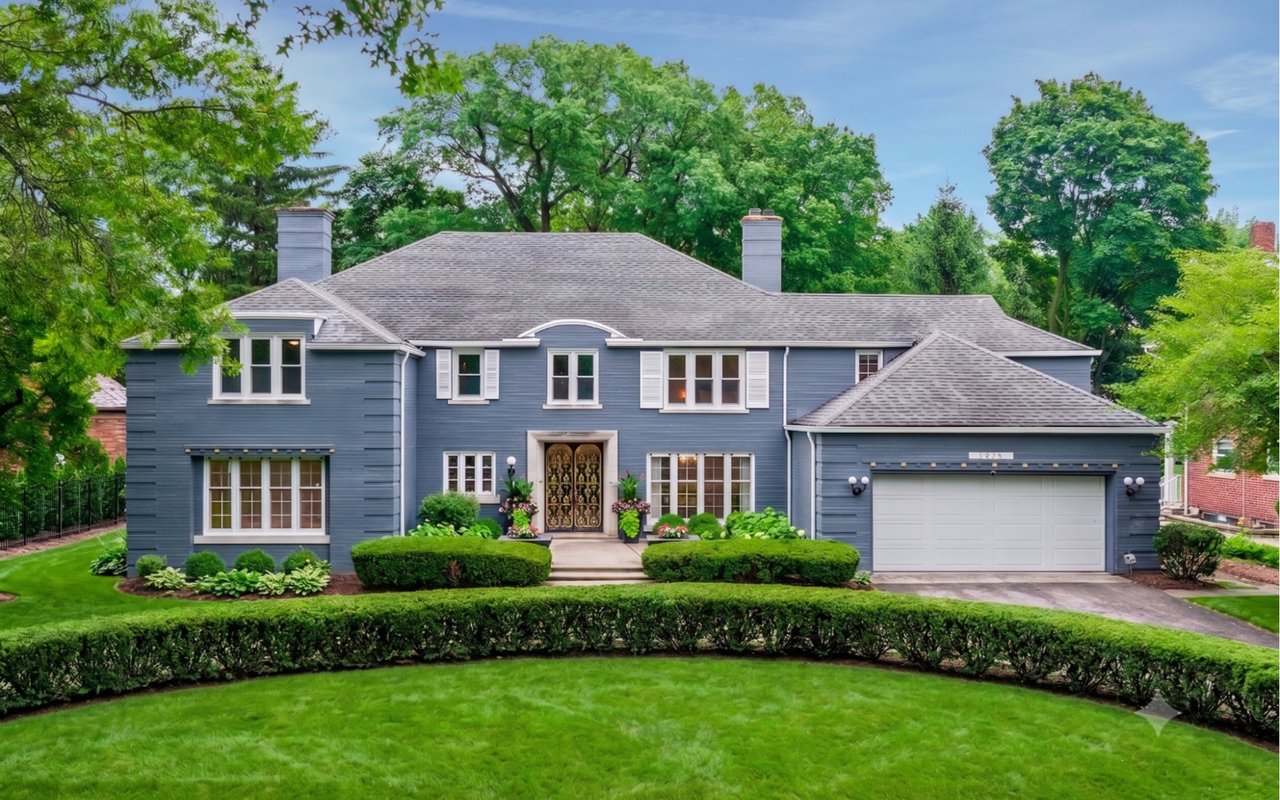
You will commonly see brick homes in styles such as Tudor, Colonial, Mediterranean, and French Provincial. Many homes also feature details that buyers specifically seek out in Detroit’s historic neighborhoods, including hardwood floors, stained glass, plaster moldings, fireplaces, and decorative tile.
That architectural variety gives the neighborhood depth. It also means two homes with similar bedroom counts can live very differently depending on layout, updates, original details, and lot placement. In University District, it is worth paying attention to how a home feels block by block, not just how it looks online.
How the neighborhood layout affects buying
One useful way to understand University District is to compare it to nearby historic areas without treating them as interchangeable. In nearby neighborhoods such as Sherwood Forest and Palmer Woods, buyers often notice curving streets, larger estate-style planning, or street layouts designed to limit through traffic.
University District reads differently. With straight arterial edges and a more conventional residential grid feel, it often comes across as a block-by-block neighborhood rather than an estate-style enclave. That can make your home search a little more granular because your experience may vary depending on which edge, corner, or interior street a property sits on.
This is one reason neighborhood tours matter. In a place like University District, the best fit is not just about the house. It is also about how the block connects to Livernois, Parkside, and the surrounding institutional anchors.
Why Livernois access is a major plus
One of University District’s strongest lifestyle advantages is its immediate connection to Livernois Avenue of Fashion. This historic shopping district runs from Seven Mile to Eight Mile and has benefited from a streetscape project that added wider sidewalks and protected bike lanes.
For you as a homeowner, that means retail, dining, and everyday services are right along the neighborhood’s western edge. The convenience is real, but so is the character. This is not a generic commercial strip. It is part of the identity of living in this section of Detroit.
The neighborhood is also close to major local institutions. University of Detroit Mercy’s McNichols Campus, Marygrove Conservancy, and Gesu Jesuit Catholic Church are all nearby. On the east side, Parkside and the Detroit Golf Club help define the neighborhood frame and reinforce the area’s established residential feel.
What buyers should know about lot use and renovations
University District is especially important to study at the parcel level. The neighborhood association’s residential standards describe expectations for masonry exteriors, full basements, two- to two-and-a-half-story houses, and no flat roofs for new construction. They also call for garage and outbuilding materials to match the main house and for small storage structures to be placed at the rear.
Those standards matter if you are thinking beyond the closing table. If a home may need an addition, garage work, exterior updates, or a longer-term renovation plan, you want to understand the standards early. It is much easier to make a smart purchase when you know how the property may or may not adapt to your goals.
Frontage also matters. The standards treat Livernois and Parkside differently from interior residential streets, which can affect how you evaluate a property’s use and future possibilities. A house on an interior block may function differently from one with frontage on a busier edge.
Older-house charm comes with tradeoffs
University District offers the kind of original character many buyers want, but older-house realities should be part of your orientation. Home-tour materials for the neighborhood note things like uneven sidewalks, limited handrails in some homes, and doorways that are often narrower than modern accessibility expectations.
None of that makes the neighborhood less appealing. It simply means you should evaluate livability with open eyes. If accessibility, easy maintenance, or highly open floor plans are top priorities for you, those needs should be weighed carefully against the appeal of period architecture.
This is where inspections and practical planning become essential. In historic housing, a beautiful first impression should always be followed by a disciplined review of condition, function, and likely repair priorities.
A service layer that is unusual in Detroit
University District has a formal neighborhood-services structure that goes beyond ordinary city services. The neighborhood was designated a Special Assessment District by Detroit City Council in 2022, and as of Fall 2025 it was one of only four Detroit communities with that designation.
That assessment funds 24/7 security patrol, snow removal, and mosquito abatement. For a buyer planning to make a home here as a primary residence, that is not a small detail. It is part of the neighborhood’s long-term livability picture and one more reason University District stands out in the market.
When you compare homes here with options in other historic neighborhoods, this is the kind of operational detail that can shape daily life in a very real way. It is worth understanding how those services fit into your budget and expectations from the start.
Historic character versus formal historic regulation
Buyers often assume that every historic-feeling Detroit neighborhood operates under the same rules. That is not the case. Detroit’s Historic District Commission reviews exterior changes in designated local historic districts, while interiors are rarely designated.
That distinction matters most when you are comparing University District with nearby Sherwood Forest, which is a designated local historic district. In practical terms, a buyer should separate the idea of architectural character from the question of formal local historic regulation.
In University District, the right next step is not to assume. It is to verify the exact property context, including any association standards or other restrictions that may apply to the specific house you are considering.
A smart buyer checklist for University District
If you are seriously considering a home here, keep your due diligence focused and property-specific. In a neighborhood like this, broad impressions are useful, but details drive good decisions.
Here are a few smart checkpoints:
- Confirm the home’s exact location within the neighborhood boundaries.
- Review whether the property is subject to association standards or other restrictions.
- Study garage access, alley use, and the practical flow of the lot.
- Budget for masonry, windows, roofing, and addition-related work with a preservation-minded lens.
- Evaluate whether the home’s layout and original features fit your day-to-day needs.
- Factor in the neighborhood’s Special Assessment District services when planning your ongoing ownership costs.
This is the kind of neighborhood where a thoughtful search process pays off. The right home is often the one that balances architecture, function, and long-term upkeep in a way that feels manageable for you.
Who University District may fit best
University District often appeals to buyers who want a long-term home with real architectural presence and a strong sense of place. If you appreciate prewar design, established residential blocks, and being close to Livernois and neighborhood institutions, this area can make a compelling case.
It may be especially attractive if you value original details and are comfortable with the realities of owning an older house. Buyers who do best here usually want more than a turnkey box. They want a home and neighborhood they can understand, care for, and enjoy over time.
That is where local guidance matters. In a market like this, the best buying decisions come from reading the block, the house, and the long-term ownership picture together.
If you are considering University District and want help comparing blocks, evaluating historic-home tradeoffs, or narrowing your search with a clear process, Austin Black at City Living Detroit can help you make a confident move.
FAQs
What are the boundaries of University District in Detroit?
- University District is generally bounded by Livernois on the west, Parkside on the east, Seven Mile on the north, and West McNichols on the south.
What types of homes are common in University District Detroit?
- Most homes are prewar brick houses from the 1920s and 1930s, with styles that include Tudor, Colonial, Mediterranean, and French Provincial.
What makes University District different from nearby historic neighborhoods?
- University District is closely tied to Livernois and has a more straightforward block-by-block residential feel, while nearby areas like Sherwood Forest and Palmer Woods are often associated with more curving or estate-style street patterns.
What should buyers check before purchasing a University District home?
- Buyers should confirm the exact parcel location, review any applicable standards or restrictions, assess garage and lot function, and budget for older-home repairs such as masonry, windows, roofs, or additions.
Does University District have special neighborhood services?
- Yes. The neighborhood has a Special Assessment District that funds services including 24/7 security patrol, snow removal, and mosquito abatement.
Is University District the same as a local historic district in Detroit?
- Not every architecturally historic-feeling neighborhood has the same formal regulation, so buyers should verify the status and rules that apply to the specific property they are considering.