By Austin Black II
When I'm working with buyers in Detroit — particularly those purchasing historic homes in Palmer Woods, Boston-Edison, or Lafayette Park for the first time — home security comes up regularly. And my consistent advice is this: a security system is only as good as what it actually does when it matters. Not every system is built the same, and the features you choose at installation are the ones you'll rely on when something goes wrong. Here's what I tell my clients to look for.
Key Takeaways
- Entry sensors on all doors and windows are the foundation of any effective system — no other feature compensates for gaps in perimeter coverage.
- Professional 24/7 monitoring ensures someone is responding to alerts even when you're unavailable, traveling, or asleep.
- Smart home integration allows your security system to work alongside locks, lights, and cameras as a coordinated network rather than a standalone device.
- Environmental monitoring — smoke, carbon monoxide, and water leak detection — protects against threats that go beyond intrusion.
Entry and Perimeter Sensors
Coverage starts at the entry points:
- Entry sensors are the backbone of any security system. They attach to doors and windows and trigger an alert the moment contact is broken.
- A system with interior motion detection but no entry sensors leaves buyers with a significant blind spot — any intruder who bypasses the perimeter before triggering a motion sensor has already entered the home.
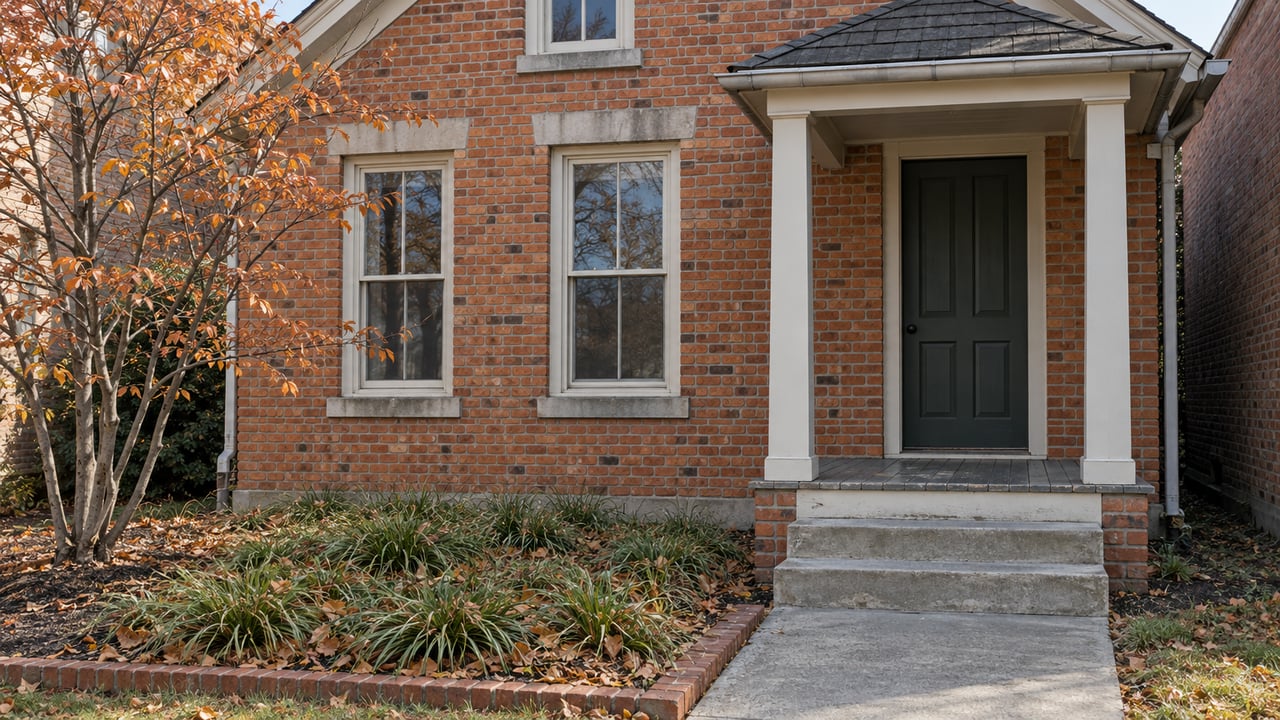
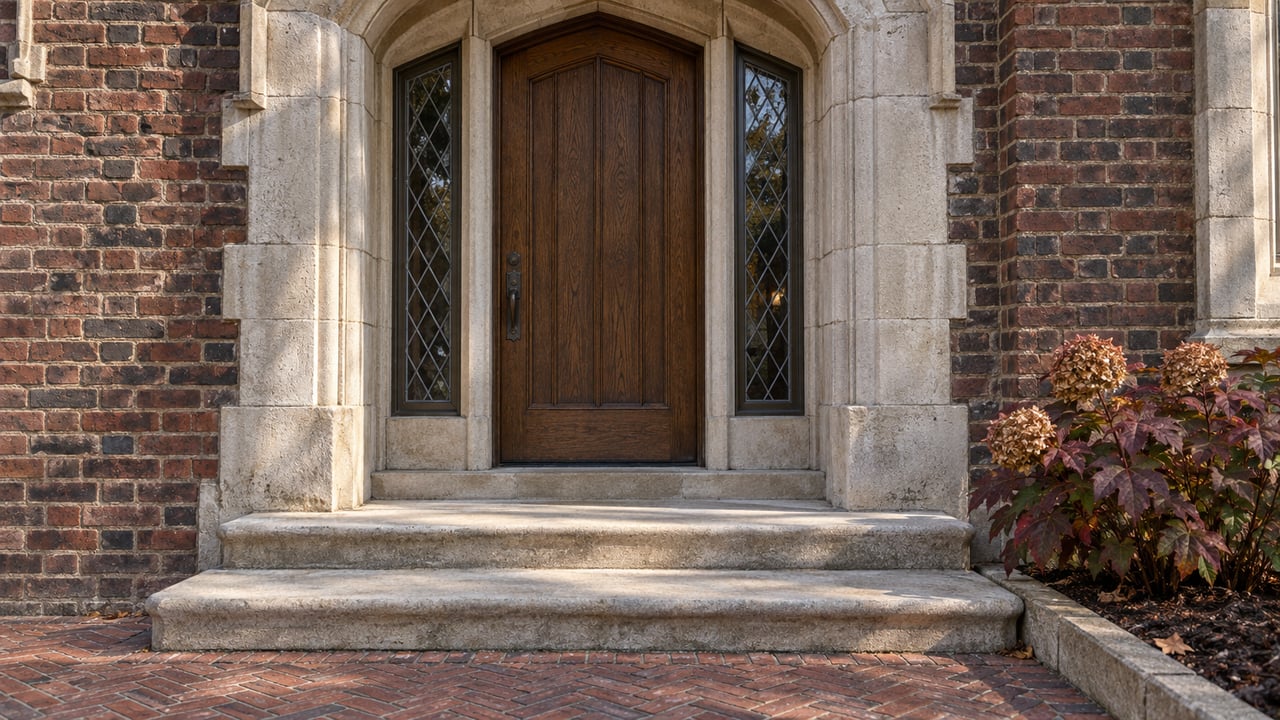
- In Detroit's historic homes, which often have original doors, transom windows, and non-standard window configurations, sensor placement requires more attention than in newer construction. A good installer will map every entry point.
For Detroit homeowners with larger historic properties, making sure sensors cover basement entry points and side doors — not just the front entrance — is worth the additional cost.
24/7 Professional Monitoring
Response time is everything:
- A self-monitored system depends entirely on you being available to see and act on alerts. Professional monitoring puts trained agents in the loop around the clock, ensuring that an emergency generates an appropriate response even if you're unreachable.
- Today's professional monitoring services can verify events via live video before dispatching emergency responders, which reduces false alarms and improves the quality of the response when a real incident occurs.
- Many homeowners insurance policies offer discounts for professionally monitored systems, which can offset a portion of the monthly monitoring cost.
When evaluating monitoring services, response time is the metric that matters most. Look for systems where monitoring agents can reach you and act on an alert within 30 seconds of activation.
Security Cameras With Smart Detection
Video coverage has moved well beyond basic recording:
- Modern security cameras use AI-assisted detection to distinguish between people, vehicles, animals, and other motion sources — reducing the false alerts that cause homeowners to stop paying attention to their systems.
- Outdoor cameras covering entry points, driveways, and side approaches give you documentation of events before anyone reaches your door.
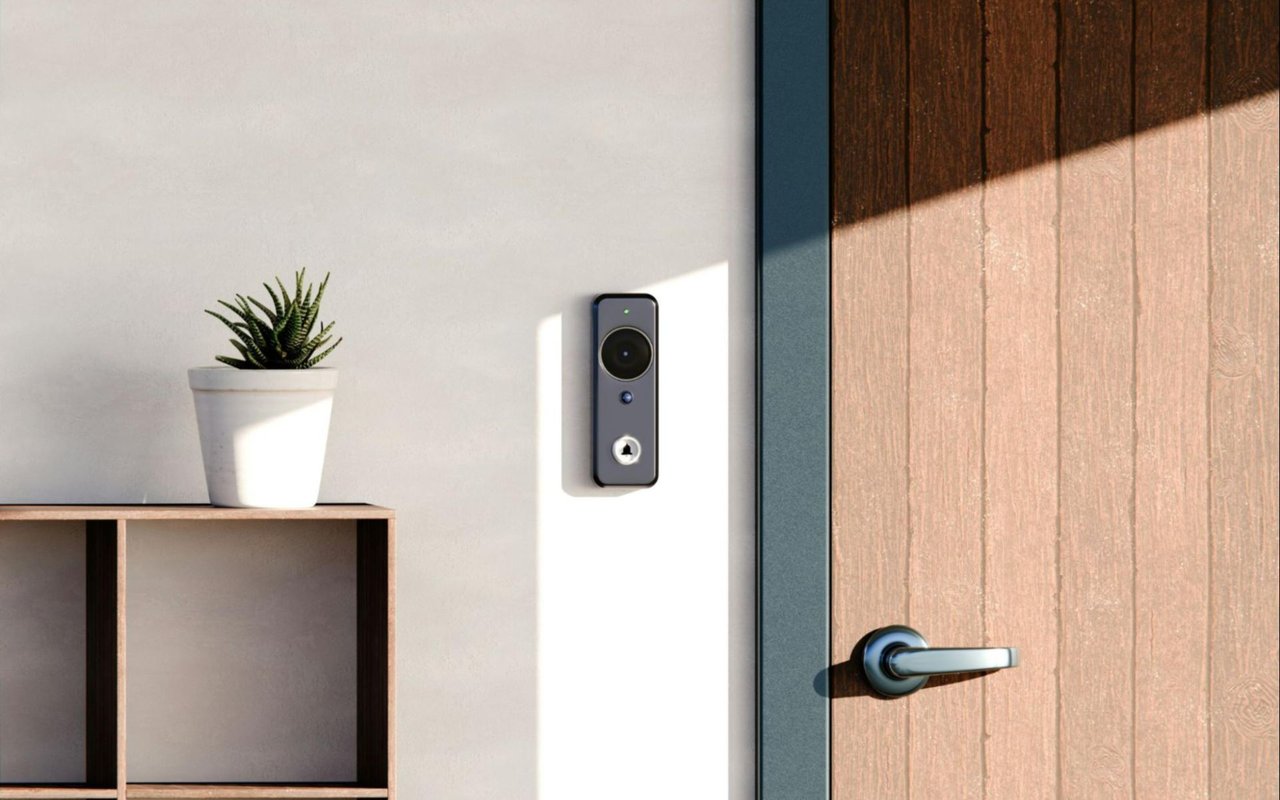
- Video doorbells have become a standard layer of coverage for front-entry monitoring, allowing homeowners to see and communicate with visitors remotely.
For Detroit homeowners with detached garages, gated side yards, or back alley access — common in many of the city's historic neighborhoods — camera placement that covers those areas is particularly important.
Smart Home Integration
A connected system is a more effective system:
- When your security system connects with smart locks, lighting, and your home's other devices, it can respond to events automatically. A perimeter breach can trigger exterior lights, lock interior doors, and send alerts simultaneously.
- Smart locks allow you to grant and revoke access remotely, log entry times, and eliminate the risk of lost keys — a practical feature for homeowners who work with contractors, housekeepers, or frequent guests.
- Voice assistant compatibility with Google Home or Amazon Alexa adds a convenient layer of daily interaction, though deep integration with your chosen security ecosystem should be confirmed before purchase.
The key question to ask any security provider is whether their system is open to third-party devices or operates within a closed ecosystem. Open systems offer more flexibility as your home's technology evolves.
Environmental Hazard Monitoring
Security means more than protecting against intrusion:
- Integrated smoke detectors, carbon monoxide sensors, and water leak detectors protect against the household threats that cause the most costly damage — many of which occur when no one is home.
- Connected environmental sensors trigger instant mobile alerts and can contact emergency services automatically, even if you're away for an extended period.
- In Detroit's older housing stock, where aging pipes and original electrical systems are more common, water leak detection in basements and near mechanical systems is particularly valuable.
Smoke and CO monitoring through your security system also means those alerts are connected to professional monitoring — not just a local alarm that goes unheard if you're traveling.
Reliable Connectivity and Backup Power
A system that goes offline during an emergency isn't a system:
- Wi-Fi-connected security systems are only as reliable as your home network. Look for systems that include cellular backup, which allows the system to communicate with monitoring centers even if your internet connection is disrupted.
- Battery backup for the main control panel ensures the system stays operational during a power outage — one of the more common scenarios during Michigan winters.
- Before purchasing, confirm that the system's app provides real-time status updates so you know immediately if any component goes offline or needs attention.
Reliability is the feature that rarely gets discussed during a sales pitch but matters most during an actual event. Ask your provider directly: what happens if the power goes out, and what happens if my internet goes down?
Buy or Sell a Detroit Home With Austin Black II
Protecting your home starts with the right systems — and finding the right home starts with the right agent. I've spent two decades helping Detroit buyers and sellers make informed decisions about properties across the city's neighborhoods. Reach out to me to learn more about buying or selling a home in Detroit.