By Austin Black II
A question I get almost every time I sit down with a seller is some version of: "What's my home actually worth, and what should I do before I list?" It's the right question to ask, and the honest answer is that resale value is shaped by more variables than most people expect. Some you can control. Some you can't. Knowing the difference is where good strategy starts.
Key Takeaways
- Location remains the single most influential factor in home value and in Detroit, neighborhood-level differences can be significant.
- Condition and curb appeal shape buyer perception before they ever step inside, making maintenance a form of ongoing investment.
- Market timing matters: selling in a low-inventory environment consistently produces stronger results than listing when supply is high.
- Strategic upgrades, particularly in kitchens, bathrooms, and energy efficiency, tend to deliver the strongest returns relative to cost.
Location
Why where your home sits still outweighs almost everything else:
- In Detroit, the difference between blocks, not just neighborhoods, can translate to meaningful price variation.
- Proximity to walkable amenities, the RiverWalk, Midtown's cultural corridor, historic districts like Palmer Woods and Boston-Edison, and well-maintained green spaces all factor into how buyers assess value.
- Access to major employment centers and regional transportation routes adds another layer of appeal, particularly for buyers relocating from outside the market.
Location is the one variable no renovation can change. It's why buyers pay a premium for a well-placed home in Sherwood Forest or Lafayette Park even when the property needs work — and it's why I spend time educating clients on the micro-geography of Detroit before they buy or list.
Home Condition and Curb Appeal
First impressions are financial decisions:
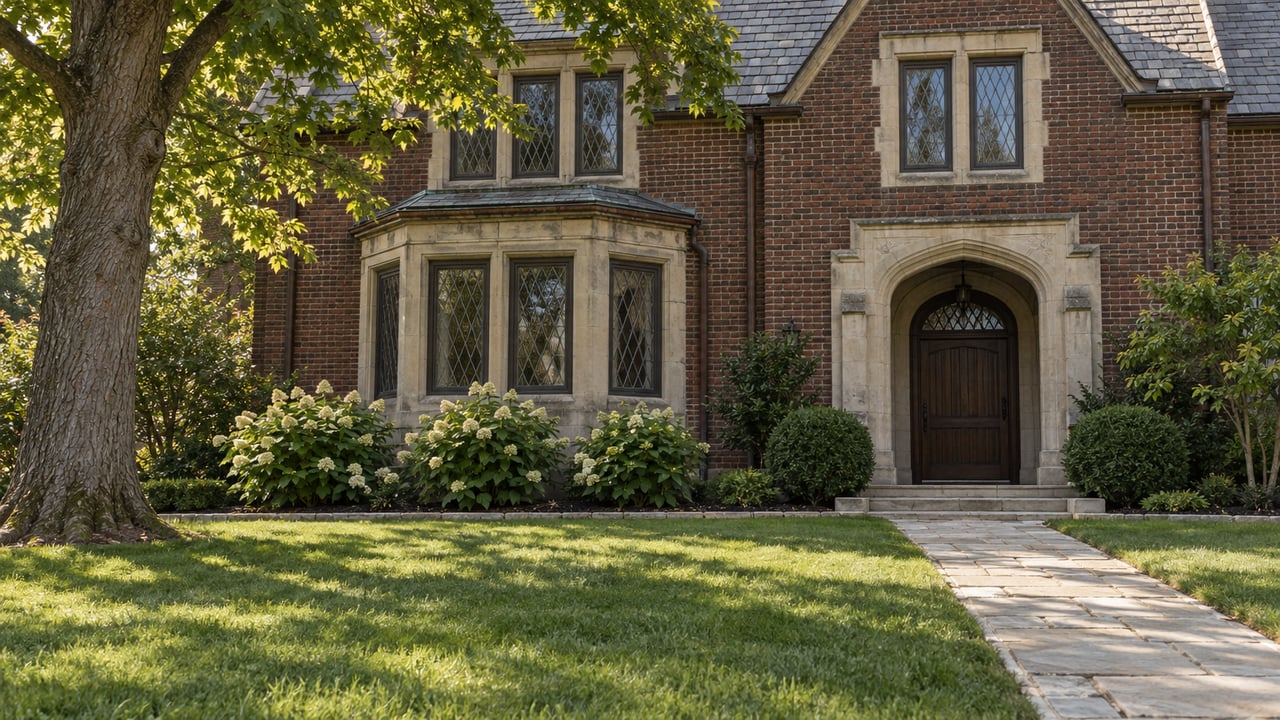
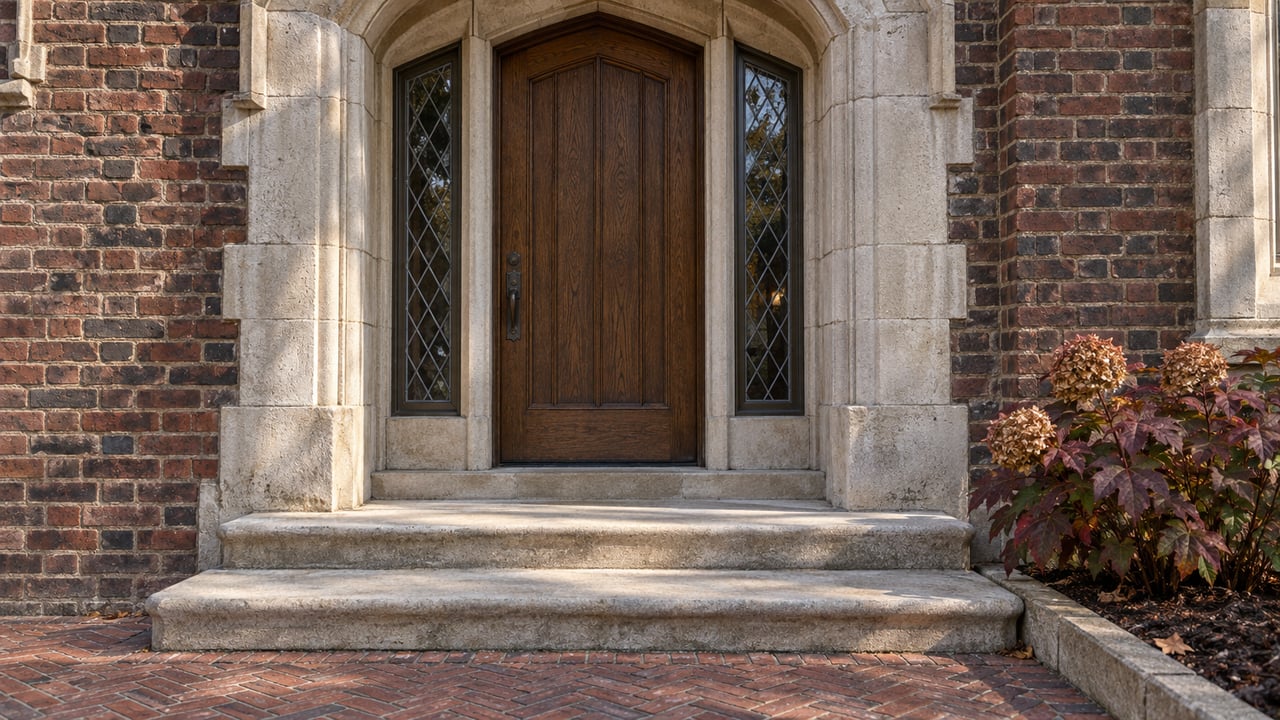
- A well-maintained exterior (such as clean siding, a sound roof, fresh paint, and tended landscaping) signals to buyers before they open the door that the home has been cared for.
- Deferred maintenance tends to show up in inspection reports, which gives buyers leverage in negotiations. Addressing it proactively removes that leverage and often results in fewer concessions.
- In Detroit's historic neighborhoods, where architecture is a selling point, condition is particularly important. A neglected Victorian or craftsman signals risk; a restored one commands a premium.
Curb appeal doesn't require significant spending. In many cases, a pressure wash, fresh mulch, and trimmed hedges accomplish more than a costly renovation. The goal is to make buyers feel good about the property before they walk in.
Kitchen and Bathroom Updates
The two rooms buyers scrutinize most:
- Kitchens and bathrooms consistently rank as the spaces buyers weigh most heavily when forming opinions about a home's value.
- Full gut renovations are not always necessary — updated fixtures, new countertops, refinished cabinetry, and modern hardware can significantly improve the perception of both rooms without a major investment.
- Neutral, timeless finishes tend to perform better than trend-driven choices because they appeal to a broader pool of buyers.
The return on kitchen and bath updates depends heavily on what the comparable homes in your neighborhood already offer. In markets where buyers expect updated finishes, an outdated kitchen can suppress interest; in markets where most inventory is original, a modest refresh can position your home at the top of the comparable set.
Energy Efficiency
Buyers are paying attention to utility costs:
- Energy-efficient windows, proper insulation, modern HVAC systems, and updated water heaters all contribute to lower monthly operating costs — a selling point that resonates with buyers across price points.
- Smart home features like programmable thermostats and LED lighting add modern appeal while signaling that the home has been maintained and upgraded thoughtfully.
- In older Detroit housing stock, where drafts and aging systems are common, even modest efficiency improvements can distinguish a listing from its competition.
Owned solar systems have shown the ability to add value in certain markets, though the return varies based on system age, cost, and buyer appetite in a given area. For most sellers, high-impact, lower-cost efficiency upgrades are the more practical path.
Square Footage, Layout, and Functionality
Buyers want space that works, not just space:
- Open-concept layouts, strong natural light, and flexible rooms that can serve multiple purposes continue to drive buyer preference.
- Functional square footage outperforms raw square footage. A well-designed 1,800-square-foot home often feels more valuable to buyers than a poorly laid out 2,400-square-foot one.
- Permitted additions and renovations that expand usable living space add documented value; unpermitted work can create complications during inspections and appraisals.
Detroit's historic homes often feature distinctive layouts — large formal rooms, generous ceiling heights, original millwork — that buyers in this market specifically seek out. Understanding how to position those features as assets rather than quirks is part of what I bring to listings in neighborhoods like Indian Village or University District.
Market Conditions and Timing
When you sell matters as much as what you sell:
- In a low-inventory environment, buyer competition drives prices up and compresses days on market. In a high-inventory environment, sellers face more competition and buyers hold more negotiating power.
- Interest rate levels shape buyer purchasing power directly. When rates shift, the pool of qualified buyers can expand or contract meaningfully, affecting how quickly offers come in and at what price.
- Timing a Detroit listing to align with spring demand, low competing inventory, or favorable rate conditions requires real-time market knowledge — not a general calendar rule.
I track the Detroit market closely enough to advise sellers on when conditions favor listing and when patience creates better outcomes. That kind of guidance has real financial value.
Presentation and Marketing
A well-priced, well-marketed home sells faster and closer to asking:
- Professional photography, accurate pricing based on current comparable sales, and a clear marketing strategy are not optional for sellers who want strong results.
- Online presentation drives the first impression for the majority of buyers today. High-quality images and compelling listing descriptions determine whether a buyer schedules a showing.
- Staging — even light staging — helps buyers visualize themselves in the space and consistently reduces time on market for prepared listings.
Resale value is not just determined by what a home is. It's determined by how that home is presented, priced, and positioned relative to the market at the moment it lists. That's the part I help sellers get right.
Sell Your Detroit Home With Austin Black II
Understanding these factors is one thing. Applying them strategically in Detroit's specific market is another. I work with sellers throughout Detroit's neighborhoods to position their homes for the strongest possible outcome — from pricing analysis to listing presentation. Reach out to me to learn more about how I price and position Detroit homes for sale.