By Austin Black II
The moment a buyer walks through your front door, they've already started deciding. Not consciously — but the feeling of a space registers before any logical evaluation begins. I've listed homes across Detroit's top neighborhoods for nearly two decades, and the ones that generate strong offers quickly share a common thread: they were prepared with intention. Staging is not about making your home look like someone else's — it's about making it impossible to forget.
Key Takeaways
- Staging begins with editing, not adding — removing clutter consistently delivers the highest return
- Detroit's historic architectural details are selling points that staging should highlight, not compete with
- Room-by-room preparation ensures every space contributes to the buyer's overall impression
- Spring 2026 staging trends favor warm textures, natural materials, and intentional simplicity
Start by Editing, Not Decorating
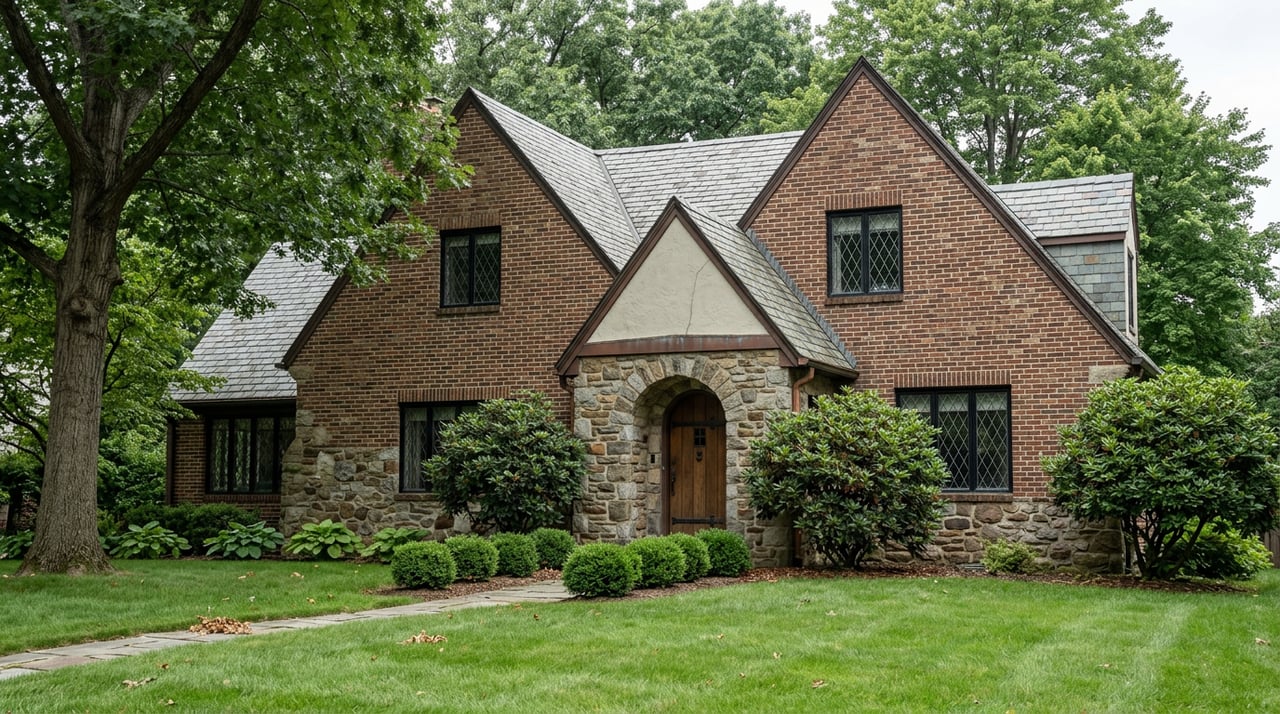
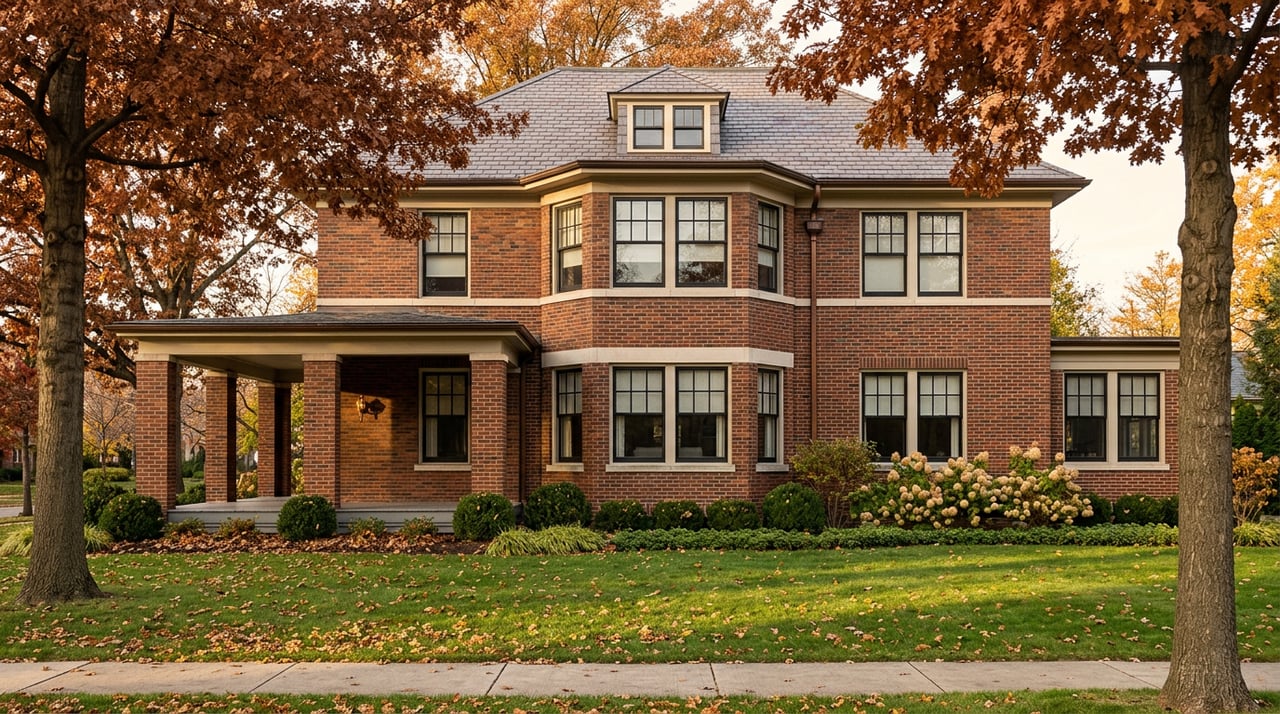
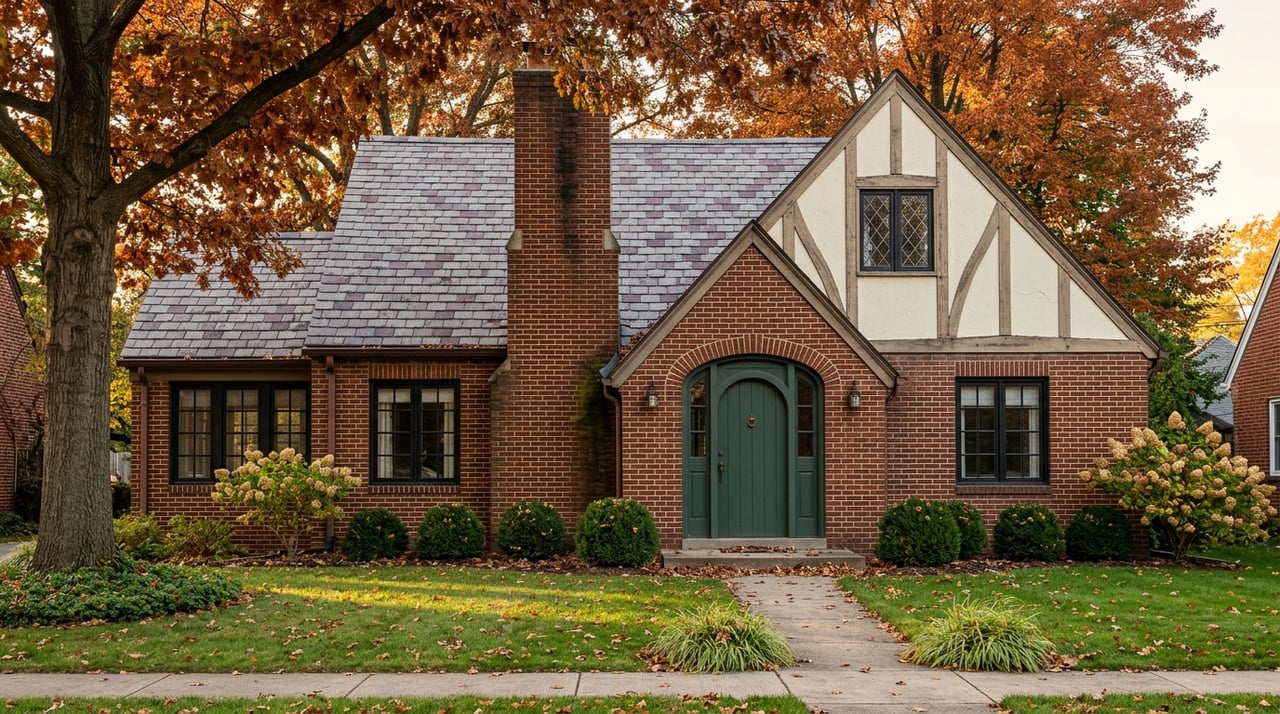
The single most powerful staging move you can make costs nothing. Before you add a single throw pillow or fresh flower arrangement, clear every surface, closet, and corner that doesn't need to be there. Buyers in Detroit's top neighborhoods — Palmer Woods, Sherwood Forest, Boston-Edison — are drawn to homes with architectural presence. Clutter competes with that presence. Clean sightlines let the architecture breathe.
This means countertops cleared in the kitchen, nightstands edited to a lamp and one or two objects, and closets thinned enough that they read as spacious rather than packed. Personal photos come down. Collections get stored. The goal is a home that feels curated and calm — one where buyers can project their own life into the space rather than navigating around yours.
What to remove before any buyer sets foot inside
- All personal photographs and family memorabilia
- Excess furniture that blocks natural traffic flow or makes rooms feel smaller than they are
- Kitchen and bathroom countertop clutter — leave only what is genuinely functional and visually clean
- Pet supplies, children's toys, and any items that signal high daily use rather than elevated living
Work Room by Room With Intention
Staging is most effective when it treats each room as its own story. Buyers move through a home in sequence, and each space either builds or breaks the overall impression. In Detroit's historic homes, this means understanding what each room's best feature is and making sure nothing competes with it.
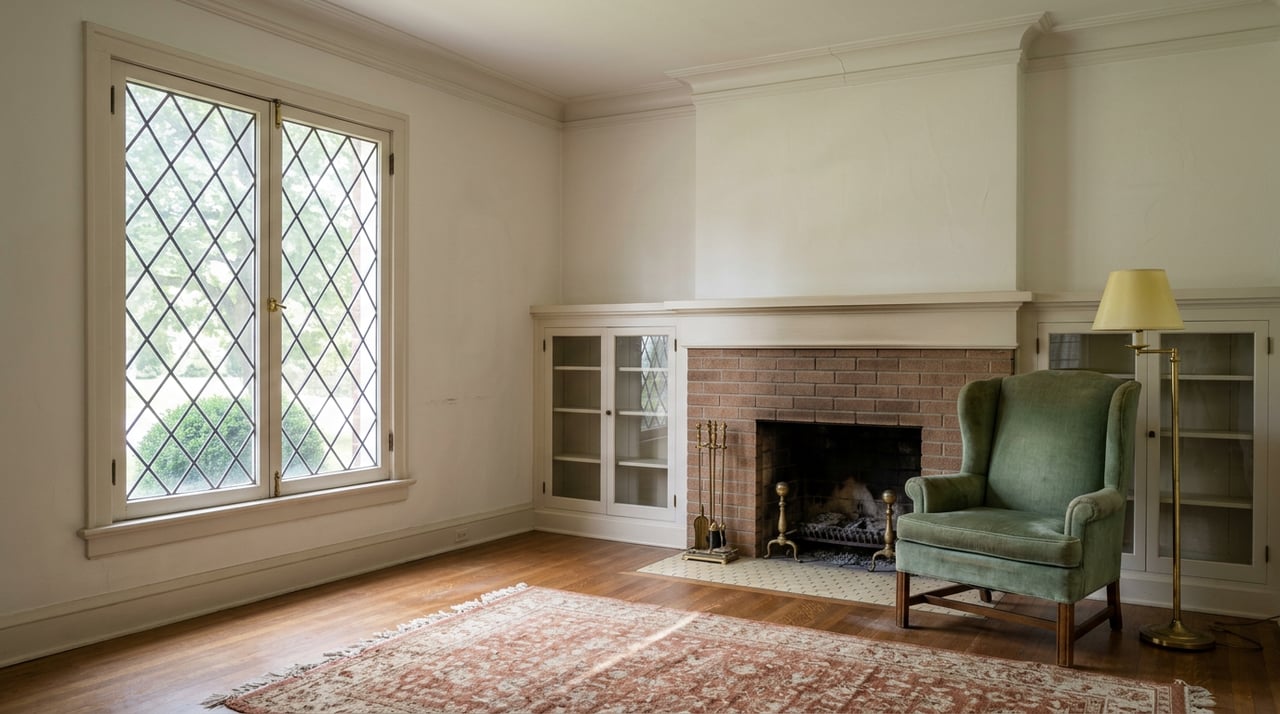
In a Palmer Woods living room with original hardwood floors and a period fireplace, the staging job is to get out of the way — edit down furniture, clean the floors to a shine, and place a simple arrangement on the mantel that draws the eye without distracting from the architectural detail. In a Midtown condo with floor-to-ceiling windows, the job is to orient the furniture toward the view and let the light do the work. Each space has its own logic, and staging well means reading that logic correctly.
Room-by-room staging priorities for Detroit homes
- Living room: Arrange furniture to highlight the room's best feature — fireplace, windows, or architectural detail — and use warm, neutral textiles like linen throws and bouclé accent chairs
- Kitchen: Clear all counters, replace worn hardware if needed, and use a simple bowl of fresh fruit or a single plant as the only decorative element
- Primary bedroom: Invest in crisp white or warm neutral bedding, reduce furniture to what's essential, and add layered lighting — a bedside lamp makes a significant difference
- Bathrooms: Fresh towels in matching, neutral tones, counters cleared of all personal care products, and a single plant or small arrangement to add life
Use 2026 Staging Trends to Your Advantage
Buyer tastes in 2026 have shifted away from cold, minimal interiors toward spaces that feel warm, textured, and intentional. This is genuinely good news for Detroit sellers, because the city's historic homes — with their original millwork, leaded glass, and natural materials — already carry the qualities buyers are looking for. The job is to complement that character rather than override it.
Warm earth tones, natural stone, raw linen, and bouclé all perform well in staging right now. Curved forms — rounded ottomans, arched mirrors — add softness to rooms with strong geometric architectural detail. Layered lighting, including table lamps and floor lamps in addition to overhead fixtures, creates the kind of warm atmosphere that photographs well and feels welcoming in person.
Staging elements that resonate with Detroit buyers in spring 2026
- Warm neutral color palettes — clay, sand, and linen tones work particularly well against Detroit's historic wood tones and brick
- Textural layering: a jute rug under a wool throw on a linen sofa reads as quietly luxurious without trying too hard
- Natural elements: a single branch in a tall vase, a stone bowl, a potted olive tree in a corner — Detroit's older homes carry organic character that these accents support
- Mirrors used strategically to reflect light and expand smaller rooms visually
FAQs
How much does professional staging cost in Detroit?
It varies by scope and property size. For occupied homes, a professional consultation in the Metro Detroit area typically starts around $250, with full vacant staging for luxury properties ranging from $2,600 to $6,000 depending on the number of rooms and staging duration. For most sellers, even a targeted consultation that identifies the highest-impact changes delivers a strong return.
Should I stage a home that already has furniture in it?
Yes. Occupied staging — working with what you have, editing, rearranging, and adding a few targeted pieces — is often more effective than buyers expect. A good stager will identify what to remove, what to reposition, and what small additions will elevate the overall presentation without a full furniture rental.
Does staging matter more in certain Detroit neighborhoods than others?
It matters everywhere, but the stakes are higher in Detroit's luxury market. Buyers touring homes in Palmer Woods, Indian Village, or Sherwood Forest are comparing your property against others with genuine architectural distinction. Staging that highlights your home's best features and presents it at its cleanest, most polished version is what separates a good showing from an offer.
Contact Austin Black II Today
Preparing your home for the market is one of the most important things you can do before listing — and it's an area where the right guidance makes a measurable difference. At City Living Detroit, I work closely with sellers to make sure their homes are positioned to attract serious buyers and generate the offers they deserve.
If you're thinking about selling in Detroit, let's talk about what your home needs. Reach out to me at City Living Detroit and let's get started.