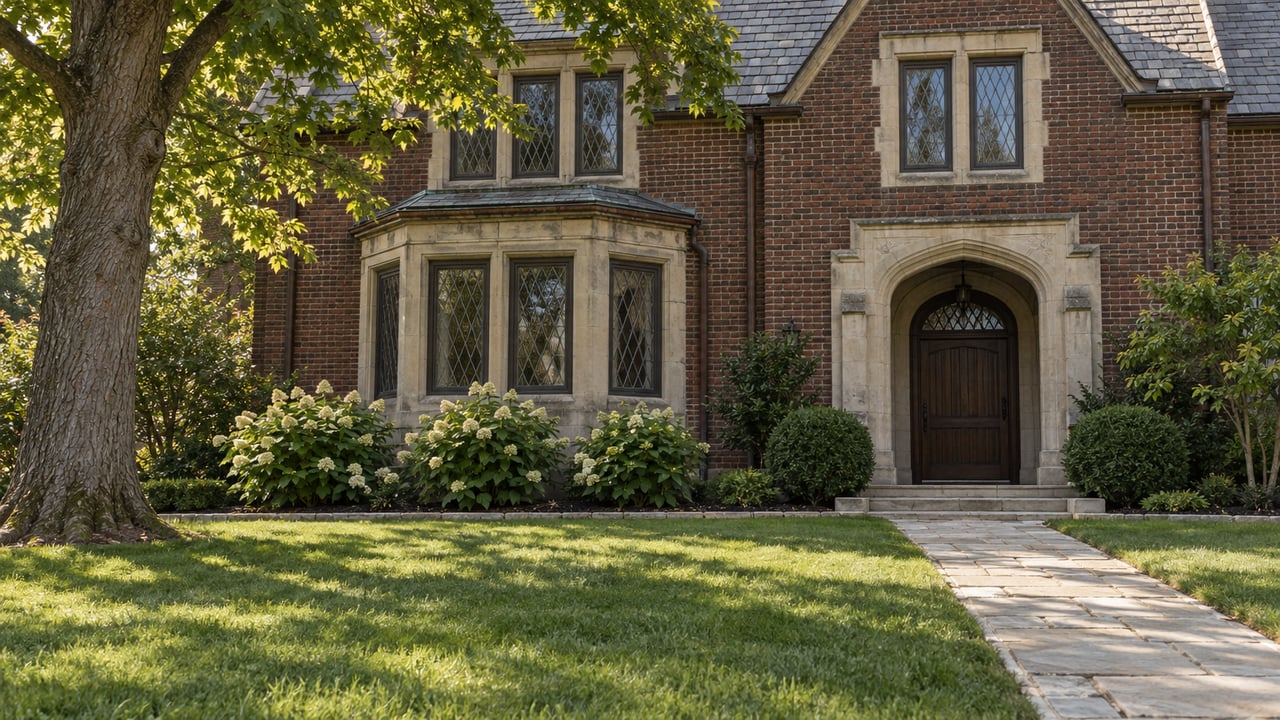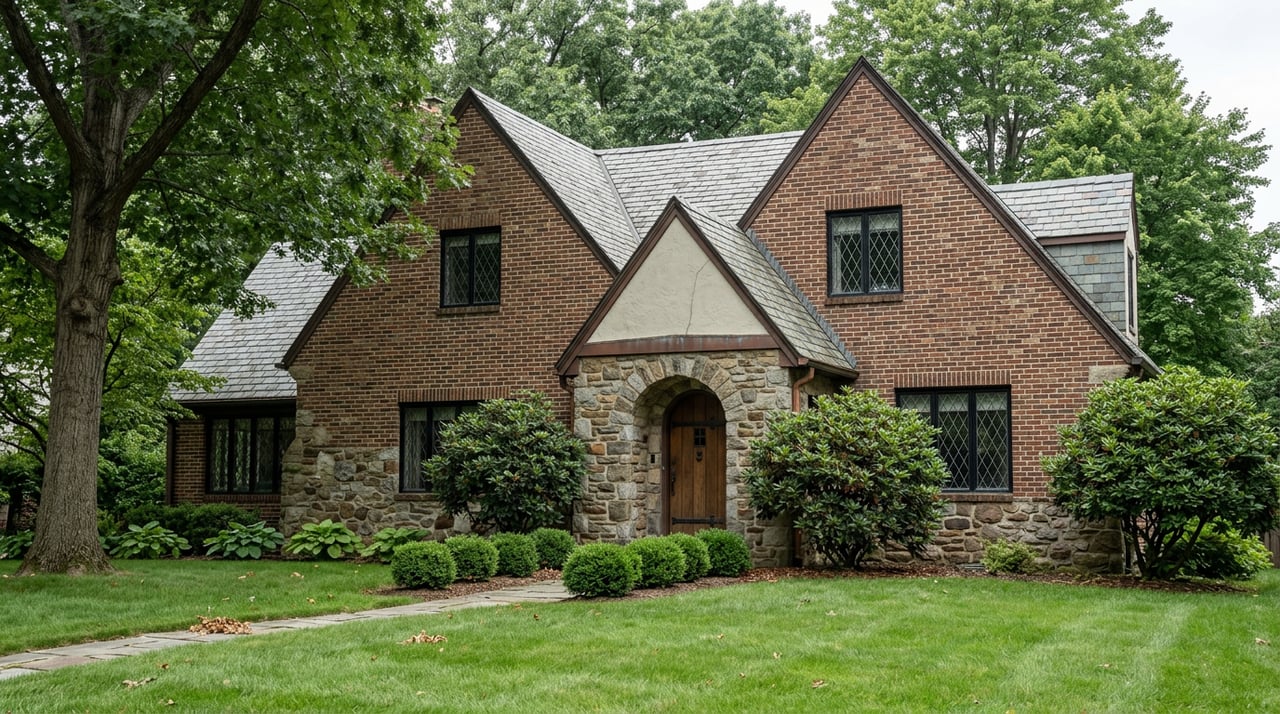
In 2023, Ryan McCarthy bought a foreclosed Tudor Revival castle-style house in Palmer Woods for $518,000. The home had sat empty and neglected for years and needed work throughout. He spent two years on it, tearing apart and rebuilding original door mechanisms, sourcing tile that matched a hundred-year-old pattern, rebuilding the roughly 1,000-square-foot great room with its elevated wooden walkway. By the time he listed the finished 8,000-square-foot house in February 2025, he had put close to $1 million into renovations on top of the purchase price, according to Crain's Detroit Business. The asking price came in near $1.9 million.
Now put that transaction next to the median price you see when you search Palmer Woods online. Redfin's neighborhood page shows a median sale price of $800,000 for the three months ending March 2026, up 3.2% from the same period a year earlier. Homes.com shows a trailing twelve-month median of $750,000, down 1% year over year, but its April 2026 snapshot puts the spot median at $812,500 with active listings spanning $650,000 to $7 million. None of those numbers is wrong. All of them are describing a neighborhood that isn't really one market at all.
Palmer Woods runs at least three separate markets on the same curving streets, and the median price is what you get when you lump them together and call it a neighborhood.
Three Markets, One Street Grid
The first market is turnkey. These are homes that have already been updated, mechanically sound, ready to host a party without a contractor in the driveway. They tend to land closer to the published median, roughly $650,000 to $1.1 million depending on size and lot.
The second market is the restoration project, where the purchase price is only the entry fee. McCarthy's $518,000 house is the clearest example: the real cost of ownership was never the sale price, it was the nearly $1 million that came after closing. Homes in this tier can list anywhere, because the number that matters isn't on the listing sheet.
The third market is trophy scale, houses built bigger than almost anyone in the current buyer pool wants to maintain. These sit at the top of the range, $5 million and up, and they don't behave like the rest of the neighborhood at all.
Treat those as one market and the median tells you almost nothing useful about what you're about to buy.
What "Move-In Ready" Actually Costs
In February 2024, a century-old Greek Revival mansion once owned by former Detroit Mayor Mike Duggan came up for sale in Palmer Woods, listed at $1.1 million. Built in 1921 on nearly two-thirds of an acre, the five-bedroom, five-bathroom house has three fireplaces, a second-floor balcony, and a finished third floor with its own den and bathroom, according to Crain's Detroit Business. City Living Detroit's own Austin Black, the listing agent, described the likely buyer as someone moving up from a smaller house. He pointed to the home's open floor plan as the draw: a house built for entertaining, without a room that dead-ends the party.
Black had sold a similar-sized home on the same street for just over $1 million the year before. That's the turnkey tier working as intended: a defined buyer, a defined price range, a house that doesn't ask you to guess what's behind the walls.
What a Restoration Project Actually Costs
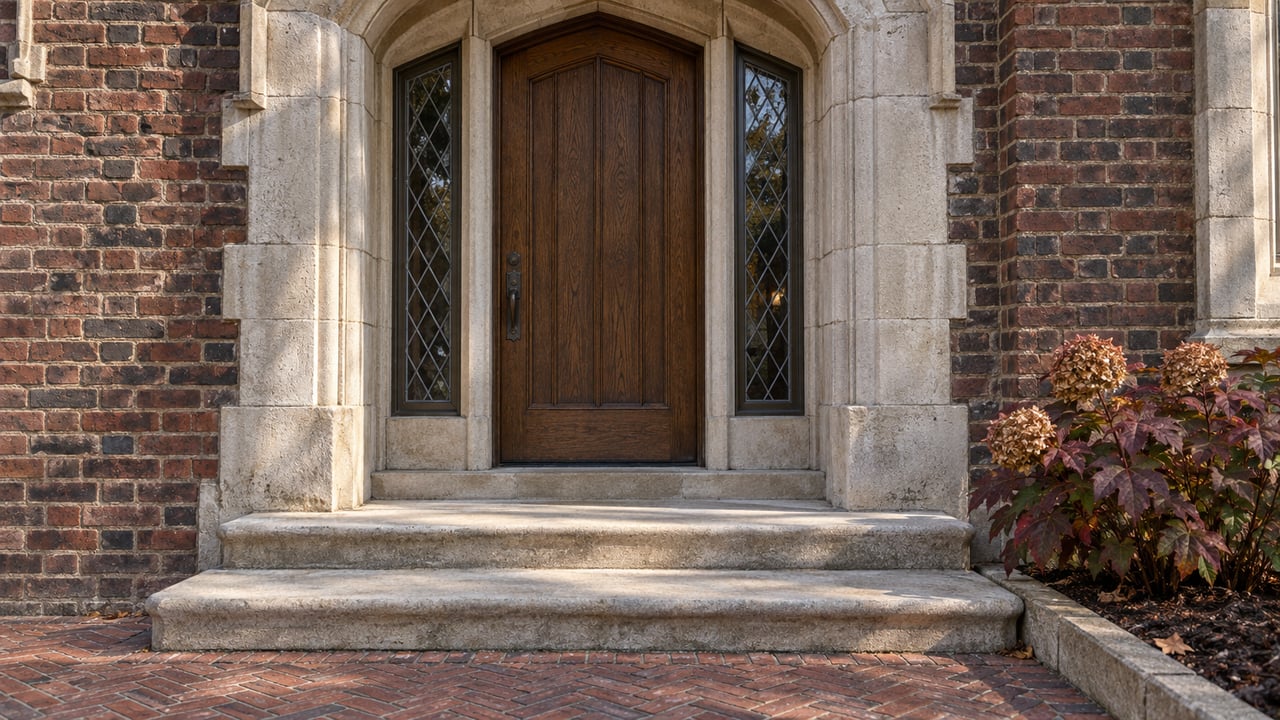
McCarthy's house tells the opposite story. He spent years hunting for the right fixer-upper before landing on the Palmer Woods Tudor, designed by architect Leonard Willeke, who also worked on several homes in Indian Village and on the Capitol Park building downtown, now home to the restaurant Prime + Proper. The house came out of foreclosure in serious disrepair. Two years and roughly $1 million later, it was ready to sell, and the finished price reflected two years of decisions most buyers never see on a listing sheet: door mechanisms taken apart and rebuilt by hand, period-matched tile sourced piece by piece, tradespeople found specifically because they knew how to work on a hundred-year-old house.
That's the number a portal median can't show you. A $518,000 purchase price and a $1.9 million asking price sit on the same street, sometimes on the same block as a turnkey home selling near the neighborhood median, and the gap between them isn't location. It's scope.
When the House Is Too Big for Its Own Market
At the far end sits the Bishop Mansion, at more than 30,000 square feet the largest private residence in Detroit. Owned by an out-of-state family based in California, the house has sat largely vacant for years. As of June 2024, it had accumulated 23 blight violations totaling $6,500 in judgments over the previous year, according to Crain's Detroit Business. Separate Crain's reporting from February 2024 had already put the asking price at $7 million, down from an original $9 million, after the house failed to sell on the open market for a year and went to auction with results that stayed unclear even to reporters following the story closely.
The lesson isn't that big historic homes are a bad investment. It's that at a certain scale, price cuts stop being the lever that moves a sale. A 30,000-square-foot house needs a buyer who wants 30,000 square feet, and in a neighborhood where, as of that February 2024 reporting, there were only two other active listings besides the Duggan home, that buyer pool is thin by definition. Trophy-scale inventory in Palmer Woods doesn't compete on price the way the rest of the market does. It waits for the right person to want exactly that house.
How to Tell Which Market You're Standing In
Before you anchor to any number you see online, ask a few questions that the median can't answer for you:
- What was the last major mechanical or structural work, and is there documentation?
- Is the current price closer to what a turnkey buyer would pay, or does it assume you'll finish work the seller didn't?
- How many comparable-condition homes have actually sold recently, not just listed?
- Is the size or scale of this specific house going to narrow your eventual resale pool the way it has for larger Palmer Woods estates?
None of these questions show up in a median price. All of them show up in the actual walk-through.
Quick Answers Before You Tour
Is Palmer Woods a City of Detroit historic district? Palmer Woods is listed on the National Register of Historic Places, which recognizes the neighborhood's architectural and planning history. That's a different designation from a locally designated historic district, the kind that requires review by Detroit's Historic District Commission for exterior changes. Buyers coming from neighborhoods like Boston-Edison or Indian Village, where local historic district rules do apply, should confirm which exterior projects in Palmer Woods actually need city sign-off versus a standard building permit, since the two designations don't carry the same requirements.
Why does the neighborhood have so few active listings at any given time? Palmer Woods is a small, tightly held neighborhood of large lots. When the Duggan home listed in February 2024, Crain's reporting noted only two other active listings in the entire neighborhood at that time, one of them the Bishop Mansion. With that little inventory, a single unusual sale, whether a fast turnkey close or a stalled trophy listing, can swing a monthly or quarterly median more than it would in a larger market.
If you're weighing a move into Palmer Woods, the honest first step isn't checking one more portal for a better number. It's figuring out which of these three markets the house you're looking at actually belongs to, and pricing the whole project, not just the listing, accordingly. That's the kind of walk-through City Living Detroit does for every Palmer Woods buyer, matched against the neighborhood's full history on our Palmer Woods real estate page. Schedule a consultation and we'll go through the specific house, not just the neighborhood average.
This article is general information, not legal, tax or financial advice. Consult a qualified professional about your situation.