By Austin Black II
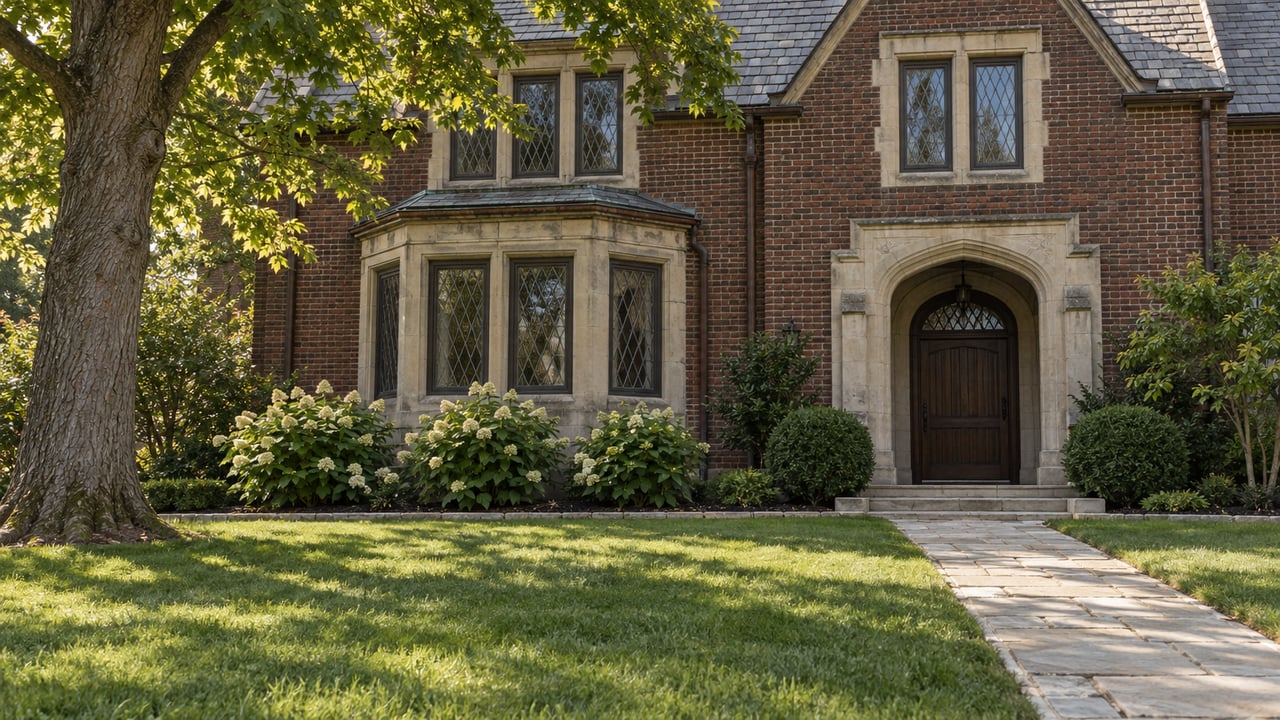
I've lived in Detroit my entire adult life, and I chose to stay here — not because I had to, but because no other city compares. I grew up admiring the tree-lined streets of Sherwood Forest, and I now live there in a 1929 Italian Renaissance home that I love as much today as the day I moved in. What I see in my clients mirrors my own experience: people come to Detroit for the real estate, and they stay for the city. This is what life here actually looks like.
Key Takeaways
- Detroit's architectural character and neighborhood variety are unmatched in the Midwest
- The cultural scene — from the Detroit Institute of Arts to Eastern Market — is a genuine daily asset
- Residents cite community, authenticity, and affordability as the top reasons they stay
- Detroit's revitalization is not a talking point — it's something you experience every day
The Neighborhoods Make the City
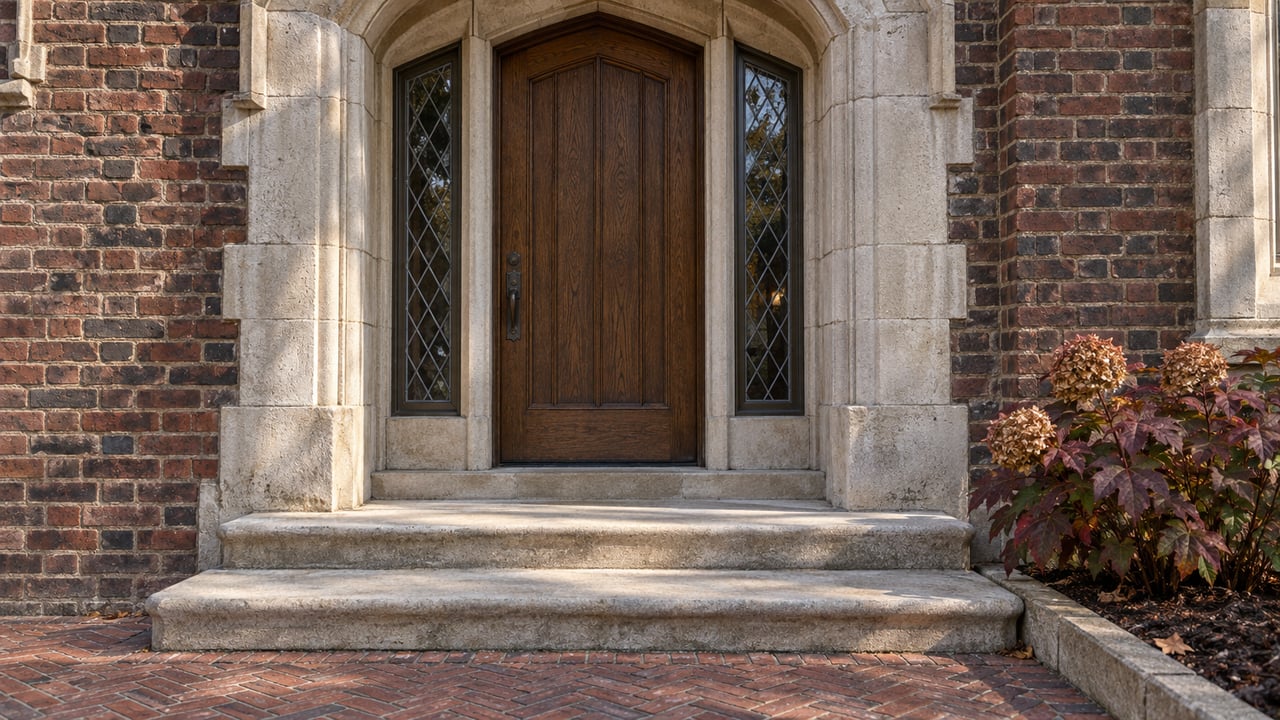
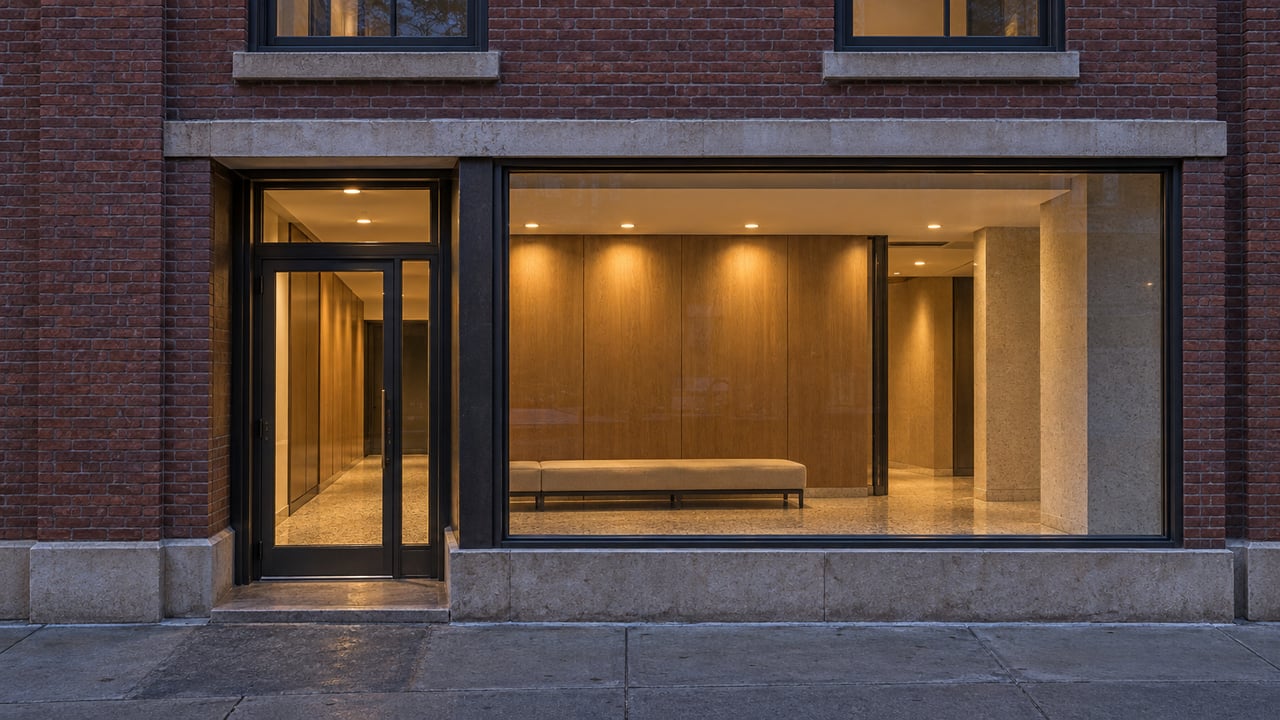
Detroit is not one neighborhood — it's dozens of distinct communities, each with its own character, architecture, and pace of life. That's one of the things long-term residents love most about living here. You can be in a Palmer Woods estate with a quarter-acre lot and a 1930s Tudor on a boulevard, or in a Lafayette Park townhome with floor-to-ceiling windows and a view of the Dequindre Cut greenway. Both are authentically Detroit.
Sherwood Forest and University District appeal to buyers who want quiet, tree-lined residential streets with genuine community spirit — neighborhoods where people know each other, maintain their homes with pride, and show up for block-level events. Indian Village and Boston-Edison draw buyers who are drawn to architectural significance — some of the most important residential design in the country sits on these streets. Midtown and Corktown offer a completely different experience: walkable, culturally active, and close to the restaurants and institutions that make Detroit's urban core so compelling.
What residents consistently say they love about their Detroit neighborhoods
- The architectural quality of the housing stock — you simply don't get this elsewhere at these price points
- The strength of neighborhood associations in places like Sherwood Forest and Palmer Woods, which actively protect and invest in the community
- The sense of being part of something real — Detroit neighborhoods have identity, history, and residents who care deeply about them
- Proximity to green space, from Belle Isle State Park to the Detroit Riverwalk and Dequindre Cut trail
A Cultural Life That Goes Deep
Detroit's cultural institutions are not afterthoughts — they are world-class, and residents have daily access to them. The Detroit Institute of Arts in Midtown holds one of the top art collections in the country, and Wayne County residents receive free admission. The Motown Museum sits just a few blocks away, and the Detroit Symphony Orchestra performs at Orchestra Hall, one of the finest acoustic spaces in the country.
Eastern Market, running every Saturday from spring through fall, is one of the largest open-air markets in the United States and a genuine community gathering point. Comerica Park and Ford Field put professional baseball and football in the heart of downtown. Little Caesars Arena brings the Red Wings and Pistons to a state-of-the-art facility steps from the city's best restaurants. This isn't background amenity — it's part of daily life for Detroit residents.
Cultural and lifestyle assets that residents use year-round
- Detroit Institute of Arts — free admission for Wayne County residents, world-class permanent collection
- Eastern Market — one of the largest farmers markets in the U.S., a Saturday institution
- The Detroit Riverwalk — a three-mile waterfront path with cafes, fountains, and views of the river
- The Slow Roll — a weekly Monday evening group bike ride through the city's neighborhoods, drawing thousands of participants
The Authenticity Is Real
What Detroit residents talk about most — more than any specific amenity or price point — is the authenticity of the city. Detroit doesn't perform revival; it lives it. The restaurants in Corktown are genuinely excellent, not just photogenic. The architecture in Boston-Edison is genuinely significant, not just old. The community in Bagley is genuinely engaged, not just marketing copy on a neighborhood website.
People who move here from coastal cities frequently say the same thing: they expected to like Detroit, and they were surprised by how much they loved it. The cost of living relative to what you get — in terms of home quality, cultural access, and community — is something they didn't anticipate and can't stop talking about.
What draws people to Detroit and keeps them here
- Architectural homes with genuine character that you can't find at this price point in New York, Chicago, or Los Angeles
- A food and restaurant scene that punches well above the city's national profile
- A community identity built on resilience, creativity, and pride in the city's past and its future
- The sense that you're part of a city that's still writing its story
FAQs
What do people who move to Detroit say surprises them most?
Almost universally, it's the quality of the housing and the strength of the community. People expect affordability and find it — but they don't expect to fall in love with their specific block, their neighborhood association, and the daily texture of city life. Detroit earns loyalty in ways that are hard to predict from the outside.
Which Detroit neighborhoods are best for someone moving from a major coastal city?
Midtown and Corktown tend to resonate first — they offer walkability, great restaurants, and an urban energy that's familiar. From there, many buyers gravitate toward the historic neighborhoods: Sherwood Forest, Palmer Woods, and Indian Village offer a quality of residential life and architectural beauty that simply isn't available in most coastal markets at comparable price points.
Is Detroit's revitalization sustainable, or is it concentrated in just a few areas?
It's broader than most outsiders expect. The investment in Corktown around Michigan Central Station is the most visible example, but the Woodward corridor, Midtown, New Center, and the Riverfront have all seen sustained activity. Historic neighborhoods like Boston-Edison and University District have maintained their character and value through multiple market cycles — they're not part of a trend, they're part of the city's permanent fabric.
Contact Austin Black II Today
Nobody knows Detroit's neighborhoods better than someone who has spent decades selling homes in them, living in them, and advocating for them. At City Living Detroit, I bring that depth to every client relationship — whether you're moving to Detroit for the first time or looking for your next home within the city you already love.
Reach out to me at City Living Detroit and let's find the neighborhood that fits your life.
Recommended reading: Living in Detroit, MI