By Austin Black II
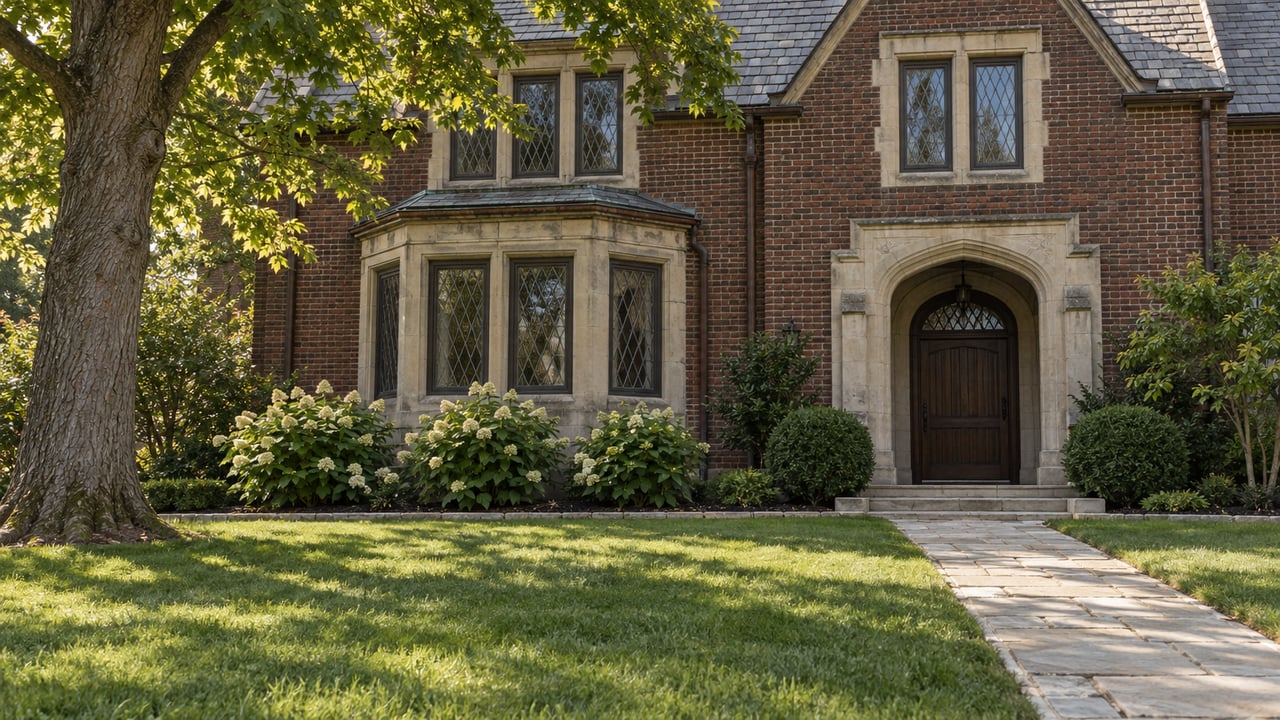
When buyers purchase homes in Detroit's historic neighborhoods — Palmer Woods, Sherwood Forest, Boston-Edison — the character of those properties comes with age. And age means systems that have been working hard for decades. A home warranty is one way to manage that reality, but it is not the right fit for every buyer. Here is what we walk our clients through when the question comes up.
Key Takeaways
- A home warranty covers system and appliance breakdowns from normal wear and tear — it is not the same as homeowners insurance
- Detroit's older housing stock makes warranty coverage a practical consideration for many buyers
- Michigan plans typically run $35–$90 per month depending on coverage and service fee
- Whether it makes sense depends on your home's age, your reserves, and which systems are most at risk
What a Home Warranty Covers
A home warranty is a service contract. When a covered system or appliance breaks down from normal use, you pay a service fee and the warranty company dispatches a contractor to repair or replace it. It does not cover structural damage, flood, fire, or theft — that is what homeowners insurance is for.
Most plans cover HVAC, plumbing, electrical, water heaters, and built-in appliances. Coverage for washers, dryers, refrigerators, and sump pumps varies by provider and plan tier. Reading the contract before signing is essential — coverage caps and exclusions differ significantly.
What is typically included
- Heating and cooling systems
- Plumbing and electrical
- Water heaters
- Built-in kitchen appliances
- Optional add-ons: washer/dryer, sump pump, roof leak coverage
Why Detroit Homeowners Should Take This Seriously
More than half of Detroit's homes were built before 1950. That history is central to the appeal of neighborhoods like Indian Village and the University District. It also means many properties have systems operating well past their expected lifespan.
Michigan winters push furnaces hard. Replacing a furnace in Detroit can run $4,600 to $7,000 installed. A warranty can reduce that to a $75–$100 service call. The same math applies to aging plumbing and electrical systems common in the city's historic housing stock.
Situations where a warranty tends to make the most sense
- Buying a home where major systems are 15+ years old
- First-time buyers who want cost predictability in year one
- Investment property owners managing multiple units
- Buyers with limited cash reserves after closing
What to Watch Out For
Not every warranty delivers what it advertises. Service call fees apply each time a contractor visits — regardless of whether the repair is completed. A lower monthly premium often means a higher service fee, so running both scenarios before choosing a plan matters.
Coverage caps can also fall short on high-end properties. A plan may list HVAC as covered but cap the payout at $1,500. For a full system replacement in a large Grosse Pointe Farms or Birmingham home, that number does not go far.
Red flags to check before signing
- Per-item payout caps that do not match real replacement costs
- Pre-existing condition exclusions that could void a claim
- Network-only contractor requirements that limit your vendor choices
FAQ
Can I negotiate a home warranty into my purchase offer?
Yes, and we do it regularly. Requesting that the seller provide a one-year home warranty at closing is a common term in Detroit purchase negotiations. It is most effective when inspection findings reveal aging but functional systems.
Is a home warranty worth it on a newly renovated home?
Generally, no. If systems and appliances have been updated within the past five to seven years, the likelihood of major failures is low enough that a full year of premiums may not pay off. We factor this into our guidance on a property-by-property basis.
How is a home warranty different from homeowners insurance?
Homeowners insurance covers structural damage and personal property from events like fire, theft, or storms. A home warranty covers mechanical failure of systems and appliances from normal use. Both serve distinct purposes and one does not replace the other.
Buy Your Next Detroit Home With City Living Detroit
Detroit's housing market rewards buyers who come prepared. We help our clients evaluate every property — including the age and condition of major systems — so they can make informed decisions about what protection makes sense before and after closing.
Reach out to me to learn more about how I guide buyers through every step of a Detroit transaction.