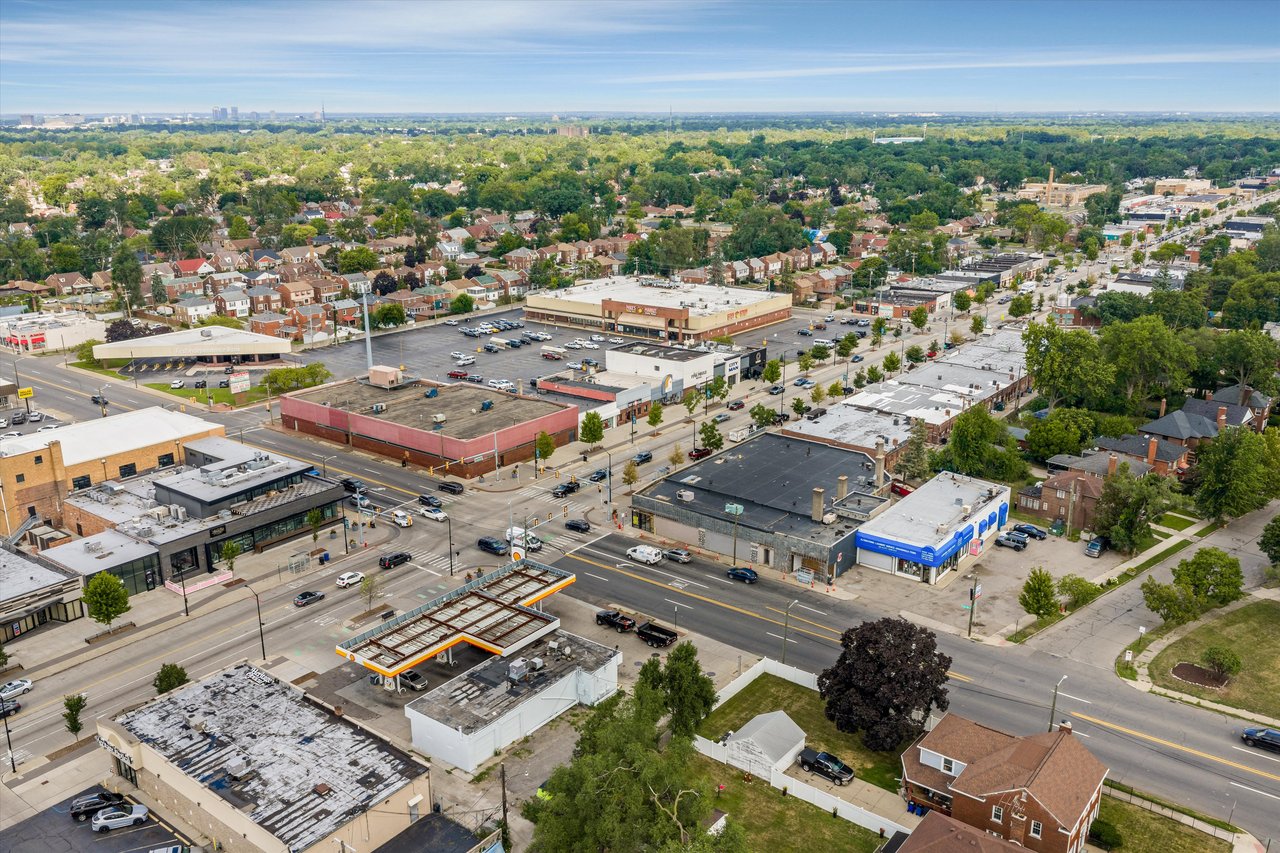
Ask a longtime Iroquois Street resident where Indian Village actually stops and you will get a confident, specific answer: Mack Avenue to the north, East Jefferson to the south, three streets wide. Ask that same resident where their neighborhood's biggest weekend of the year takes place, and the boundary gets fuzzy fast. Because for one Saturday and Sunday each September, the porches of Indian Village and the storefronts of West Village stop being two neighborhoods and start operating as one long block party with a shared parking problem.
That weekend is the Historic Indian Village Yard Sale, and it has quietly become the clearest evidence of how these two neighborhoods actually function, whatever the map says.
The Sale That Outgrew Its Own Streets
The sale started as an Indian Village event, confined to Iroquois, Seminole, and Burns between East Jefferson and Mack. For most of its three-plus decades under Hartt Estate Sales, that was the whole footprint. The 35th annual fall sale in September 2023 counted 35 to 50 participating homes and drew an estimated 5,000 attendees, all within those three streets. The 36th annual fall sale in September 2024 grew the home count to a range of 35 to 55, still without any mention of West Village on the listing.
By 2025, the listing had changed shape. The event was rebranded as the Historic Indian Village and West Village sale, with a second grid added: Seyburn, Parker, and Van Dyke, running between East Jefferson and Kercheval. That September weekend, organizers counted 50 to 70 homes across both neighborhoods and estimated two to three thousand attendees moving between them. The sale did not just get bigger. It got wider, stretching across a boundary that used to matter and increasingly does not, at least not on this one weekend.
If the pattern holds, expect the same window again this year. The last three fall sales landed on the third weekend of September, so residents planning a Saturday should look toward that stretch on the calendar rather than Labor Day.
Two Grids, Two Kinds of Shopping
What makes the merged sale worth walking in full, rather than just working your own block, is that the two grids are not selling the same thing.
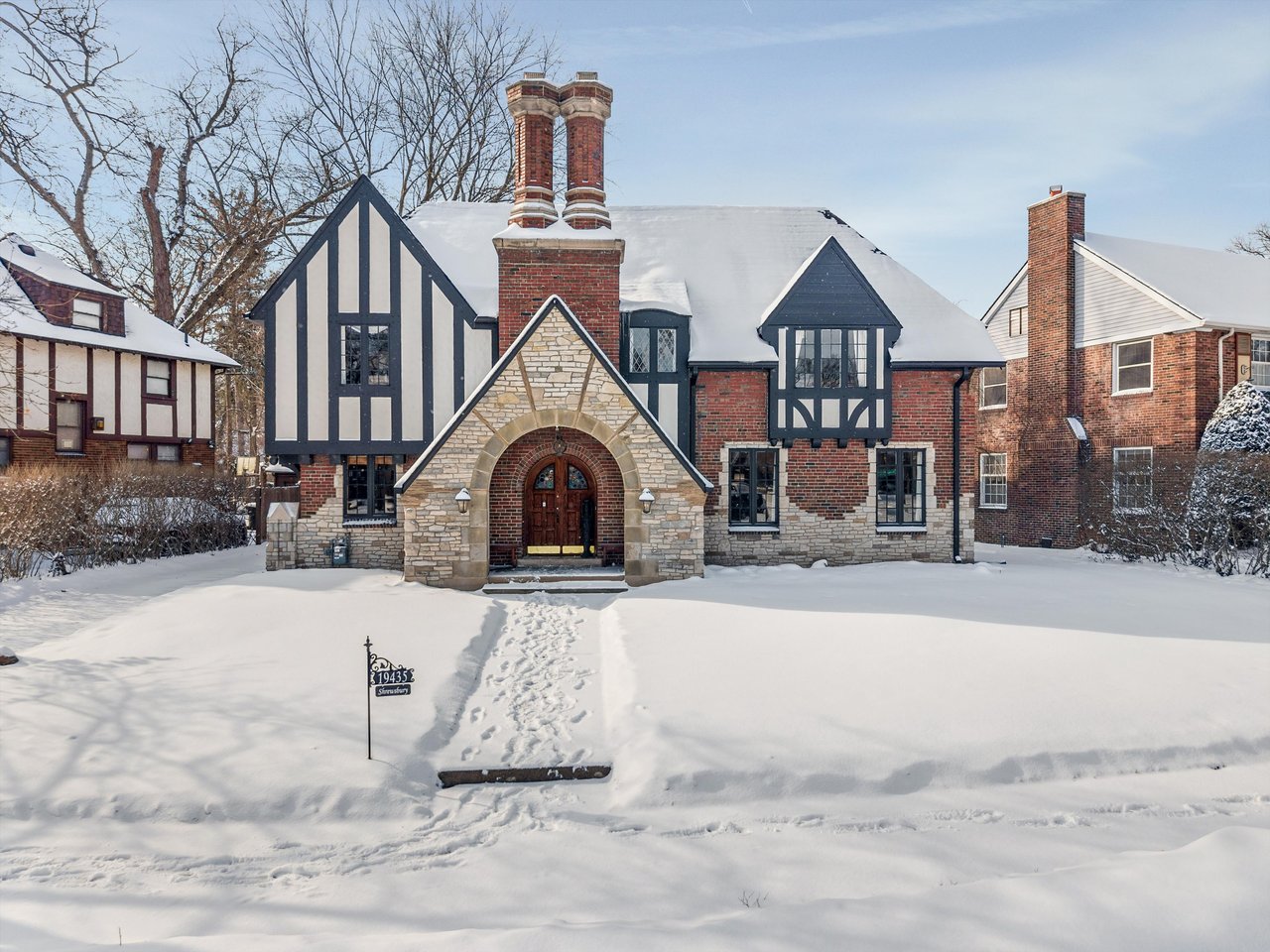
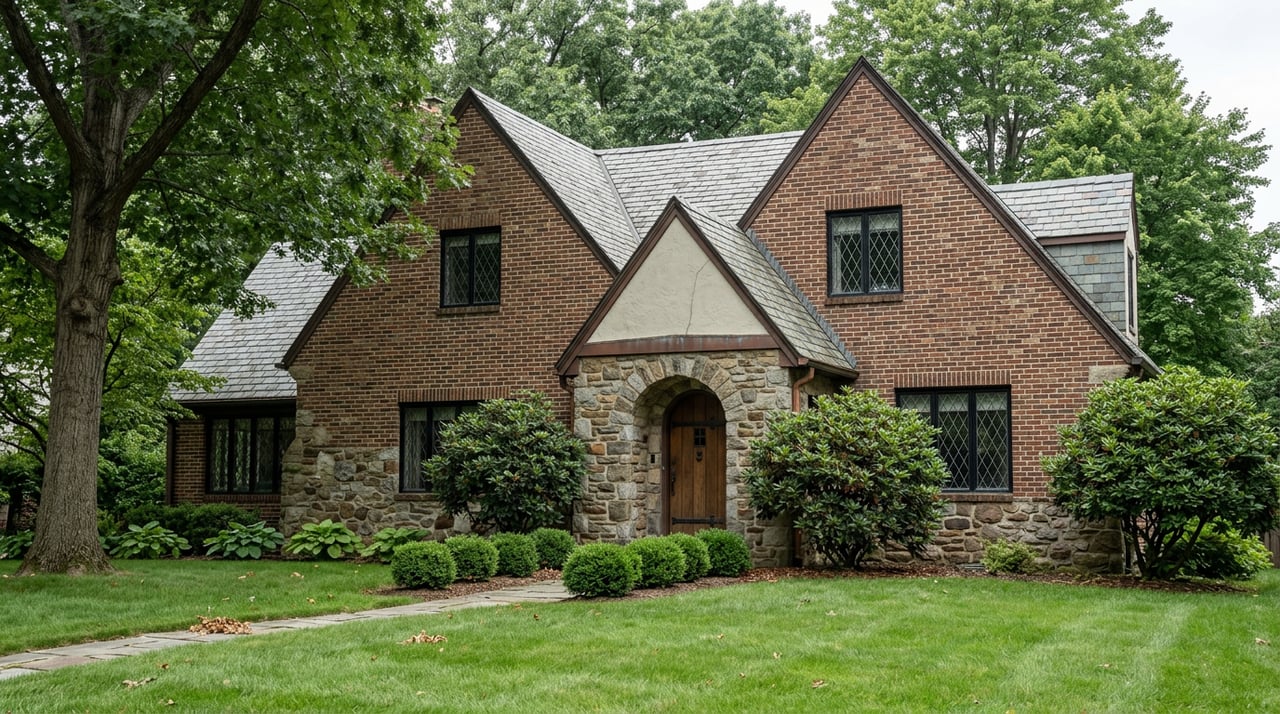
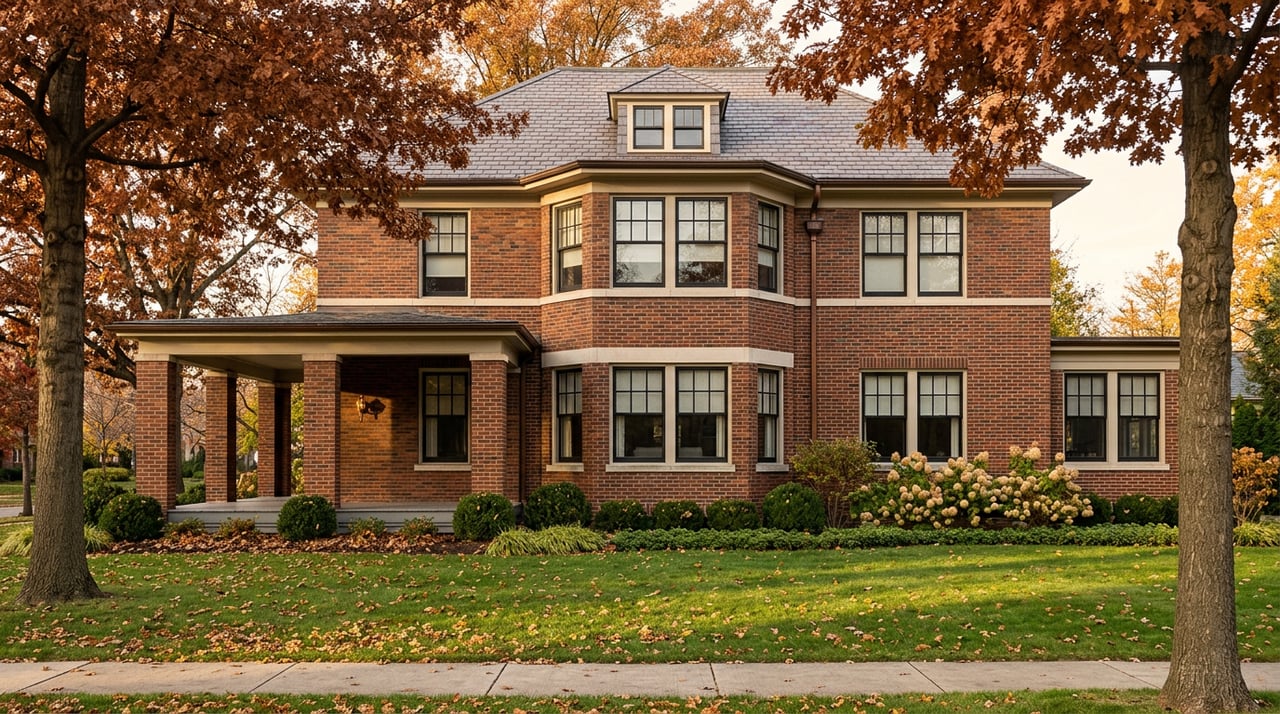
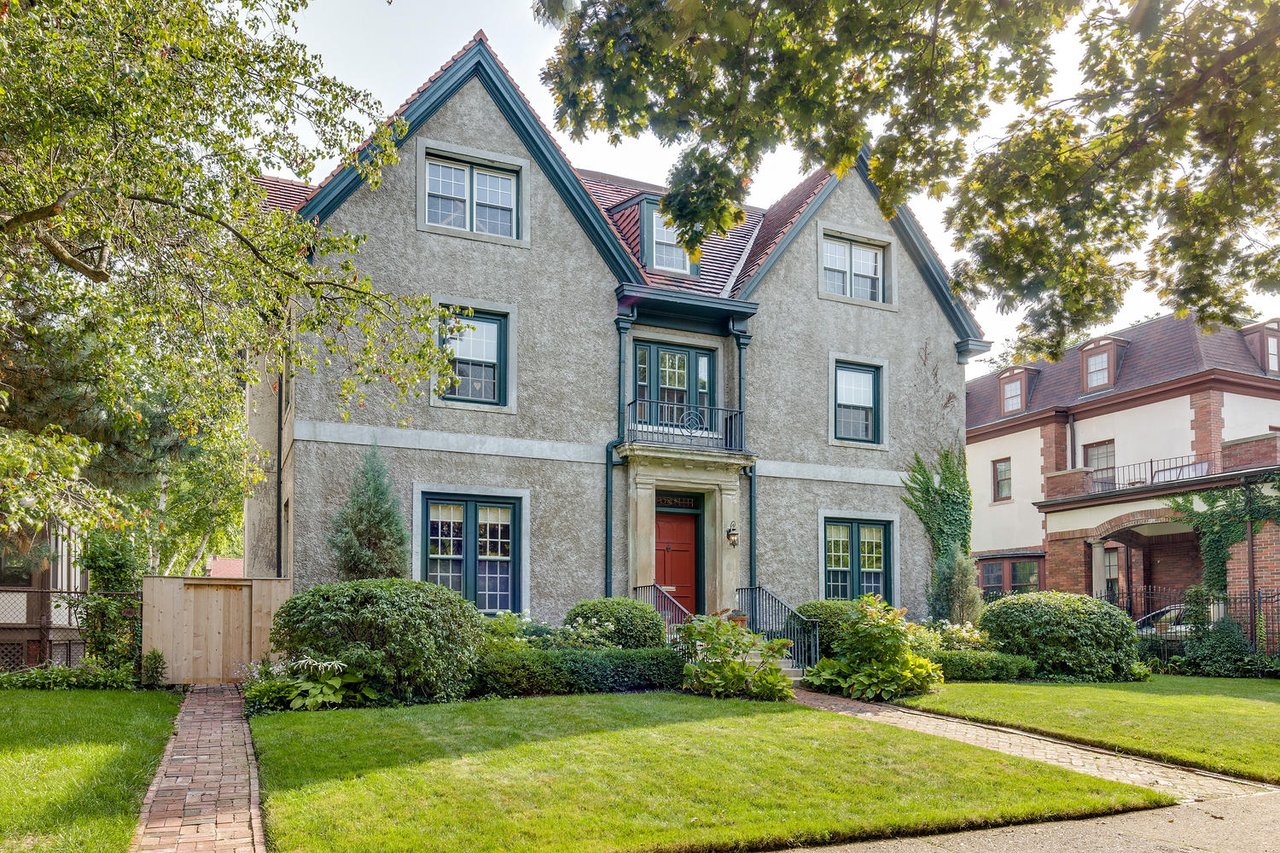
Indian Village's streets were laid out when Albert Kahn, Chittenden and Kotting, Smith, Hinchman and Grylls, and C. Howard Crane were still designing houses for Detroit's steel, banking, and auto money. The neighborhood became the city's second historic district in June 1971, which means nearly every exterior change to those homes since has gone through Detroit's Historic District Commission. That level of protection tends to produce a particular kind of yard sale: American antiques, signed oil paintings, hand-woven Persian rugs, sterling jewelry, decades of accumulated household contents from families who have owned the same mansion for generations. Past listings have described the Indian Village side as heavy on mid-century furniture and fine art specifically because the housing stock is heavy on the same.
Walk two blocks west into the second grid and the inventory changes register. West Village's row houses and retail strips came up on a different track, and its side of the sale leans into the neighborhood's newer small business energy rather than estate contents. In 2026's spring edition, the sustainable apparel shop eugenie opened its back patio for the weekend, clearing out backstock at steep discounts alongside vendors like Women of Banglatown. That is not an estate sale. That is a retail sample sale that happens to share a date with one.
The same two hundred yards can put you in front of a hand-painted watercolor from the 1920s or a rack of secondhand designer clothing from last season, and the only thing connecting them is the calendar.
If You Only Have Two Hours
The full loop rewards a plan. A resident working a short window on Saturday morning has enough time to hit both grids without doubling back, if the route runs roughly like this:
- Start on Iroquois or Seminole, where the estate-sale volume tends to be heaviest early, before the good pieces move
- Cut across to Kercheval Avenue, the spine connecting Indian Village's residential streets to West Village's commercial strip
- Work Seyburn, Parker, and Van Dyke on the West Village side, where retail and boutique sales cluster
- Finish back on Kercheval for coffee or lunch before the afternoon crowd thickens
That order keeps you moving in one direction instead of crossing your own path, which matters once a few thousand other people are doing the same walk.
The Food Stops That Turn a Sale Into a Whole Saturday
Part of why the merged sale works as a full day out, and not just an hour of picking through folding tables, is that the food stops sit directly on the route rather than requiring a detour.
Marrow Detroit, the restaurant and butcher shop on Kercheval Avenue, anchors the West Village end of the walk and has become one of the neighborhood's most consistently recommended stops for a sit-down break. A few doors down, Sister Pie has built a following well beyond the neighborhood for its baked goods, and residents who want to beat the counter know to arrive before mid-morning rather than after. Detroit Vegan Soul, also on the West Village side, has grown its following enough that it has since opened a second location on the city's northwest side, which says something about how far word of its cooking has traveled from these two blocks. For coffee, Red Hook Detroit remains the neighborhood's default answer on the West Village side of the divide.
None of these are new discoveries. What is worth noticing is that they sit close enough together, and close enough to the sale's own footprint, that a resident can treat the whole day as one continuous loop: browse, eat, browse again, without ever getting back in a car.
Gabriel Richard Park Waits for the Crowd to Thin
The yard sale energy stays inland, on the residential grid. A few blocks south, along East Jefferson, Gabriel Richard Park sits at the river's edge and keeps its own quieter rhythm regardless of what is happening on Iroquois or Seyburn that weekend. It is where the neighborhood's dog walkers and families with strollers tend to end up on any given Saturday, sale weekend or not, and it stays that way through the fall once the tables have folded up and the crowds have thinned. For residents who want a break from the foot traffic without leaving the neighborhood, the park is the release valve.
The Garden Clubs Keep the Rest of the Year Stitched Together
The yard sale is the loudest version of something Indian Village and West Village have been doing quietly for decades: sharing social infrastructure across a boundary that, on a map, looks firm.
The Indian Village Woman's Garden Club formed in 1953, when a group of neighbors decided to trade gardening tips and turn beautification projects into a standing tradition. It has stayed active enough to draw around 70 current members, most from Indian Village and West Village, though membership extends further into the Detroit area than either neighborhood's borders. A parallel Men's Garden Club organizes alongside it, and both groups work to improve the shared streetscape rather than one neighborhood's alone.
That same cooperation was on display just this June, when residents opened five homes and three gardens out of the neighborhood's roughly 350 for the 50th Annual Home and Garden Tour, marking Indian Village's 128th year since its founding. Advance ticket holders checked in at the Waldorf on Burns Avenue, day-of visitors checked in at Jefferson Avenue Presbyterian Church on East Jefferson, and food trucks parked at the Centennial Garden on Charlevoix Street. Like the yard sale, the tour drew its crowd from both sides of Mack Avenue without much concern for which side anyone technically lived on.
So Where Does the Boundary Actually Sit?
Legally, on Mack Avenue and East Jefferson. Functionally, somewhere much softer, and it shifts depending on the weekend. For most of the year, the line holds. Indian Village is the mansions and the historic district rules. West Village is the row houses and the retail strip. But twice each year, once for a garden tour and once for a yard sale, the two neighborhoods stop pretending the boundary matters and start acting like what they have quietly become: one walkable stretch of Detroit's east side that only splits into two names when someone asks for an address.
If you have spent September walking one grid and skipping the other, you have only seen half the day.
City Living Detroit tracks how Detroit's historic neighborhoods actually live day to day, not just what the listings say about them. If you are curious what a home on either side of this boundary is worth, or what it takes to buy into a protected historic district like Indian Village, schedule a consultation with City Living Detroit.