If you want a Detroit neighborhood where you can step outside, grab coffee, browse a local shop, and still feel close to downtown, West Village deserves a serious look. For many buyers, the challenge is finding a place that feels connected, livable, and distinctive without losing the character that makes city neighborhoods special. This guide will help you understand what makes West Village stand out, what kinds of homes you’ll find here, and what to keep in mind if you plan to buy or sell in the neighborhood. Let’s dive in.
Why West Village Feels Walkable
West Village is an east-side Detroit neighborhood located north of East Jefferson and south of Kercheval, centered around Parker, Van Dyke, Shipherd, and Seyburn. The neighborhood is also close to Downtown Detroit, Belle Isle, and Eastern Market, which adds to its appeal for buyers who want a city location with strong nearby connections.
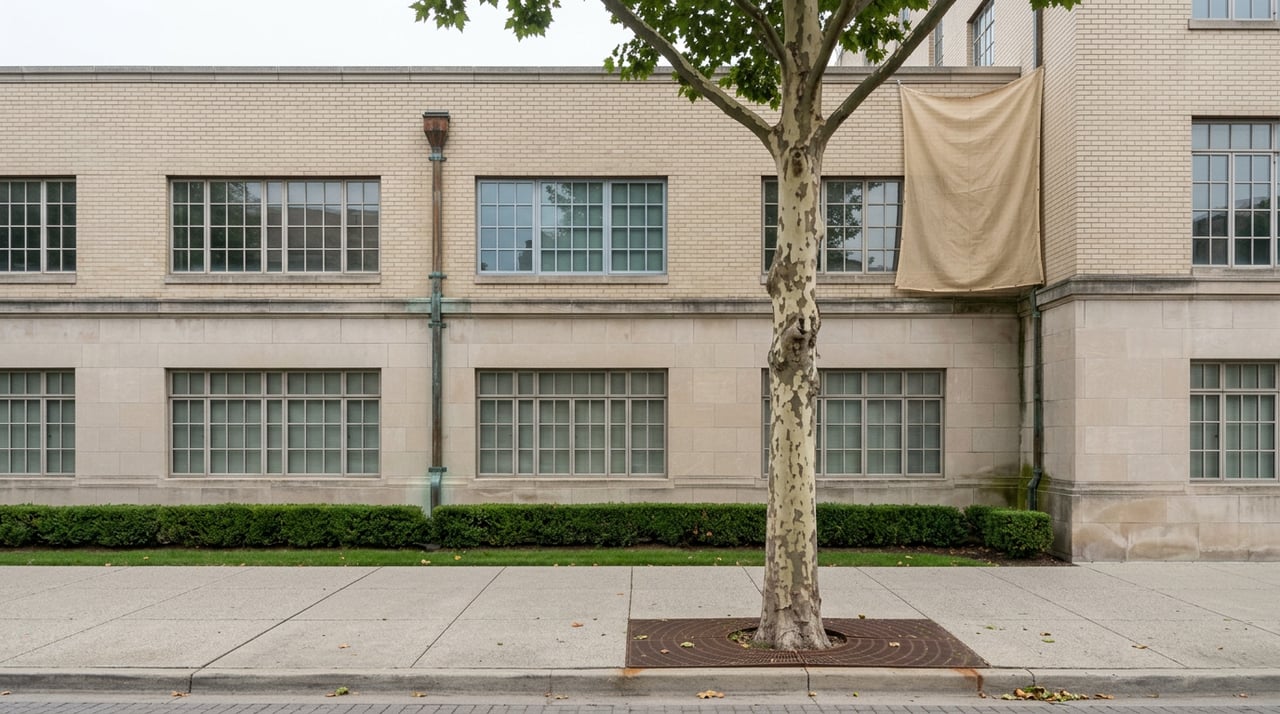
Its walkable feel is not just about location. City historic-district materials describe West Village as an urban, medium-density district with long straight streets, consistent setbacks, and a wide range of building types. That compact block pattern helps create the kind of environment where walking from home to a coffee shop, restaurant, or neighborhood business feels natural.
The neighborhood association also describes West Village as a walkable community and points to practical transportation options. There is a MoGo bike-share station on Agnes, along with bus routes 5, 9, 67, and 80. For daily life, that means you have more than one way to get around.
Local Businesses Shape Daily Life
One of the clearest signs of a strong neighborhood is whether it supports everyday routines, not just occasional visits. West Village has a dense mix of neighborhood-serving businesses that includes coffee, baked goods, restaurants, bars, retail, fitness, and services.
The local business mix includes names many Detroiters already know, such as Washed Up Coffee, Red Hook, Sister Pie, Eugenie, Van Dyke Books, FAIRCLOTH, DandyDetroit, Fauno Floral Atelier, Belle Isle Pizza, Two Birds, and Norm's Diner. Together, these businesses help give the neighborhood a real daily-life rhythm.
For buyers, this matters because lifestyle is part of the home search. In West Village, the value is not only inside the property lines. It is also in the ability to enjoy a neighborhood where small errands, coffee runs, and casual meetups can happen close to home.
West Village Housing Has Real Variety
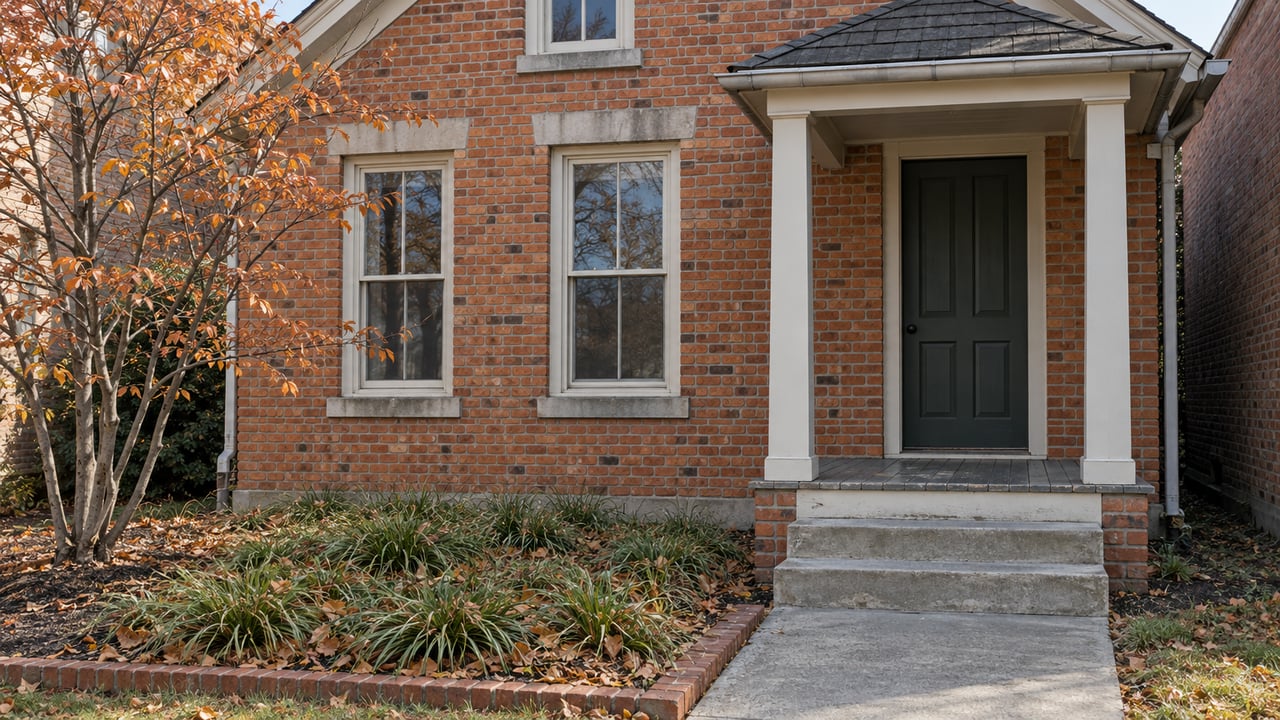
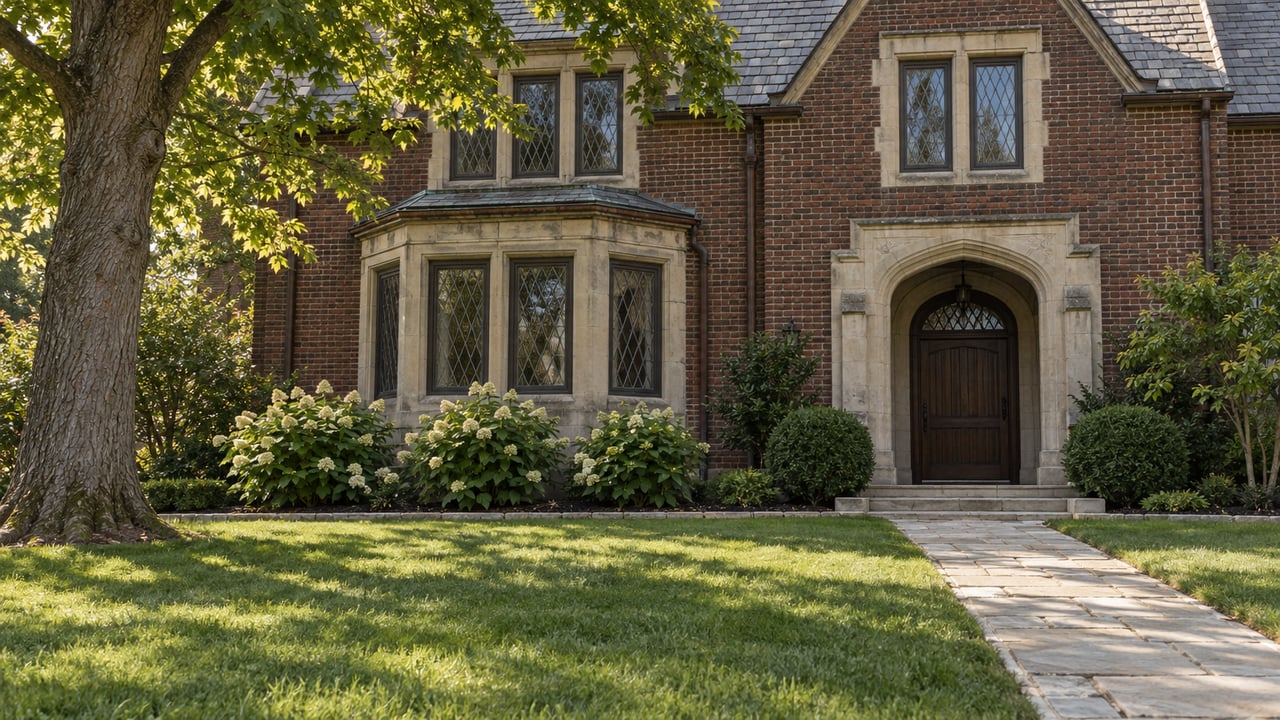
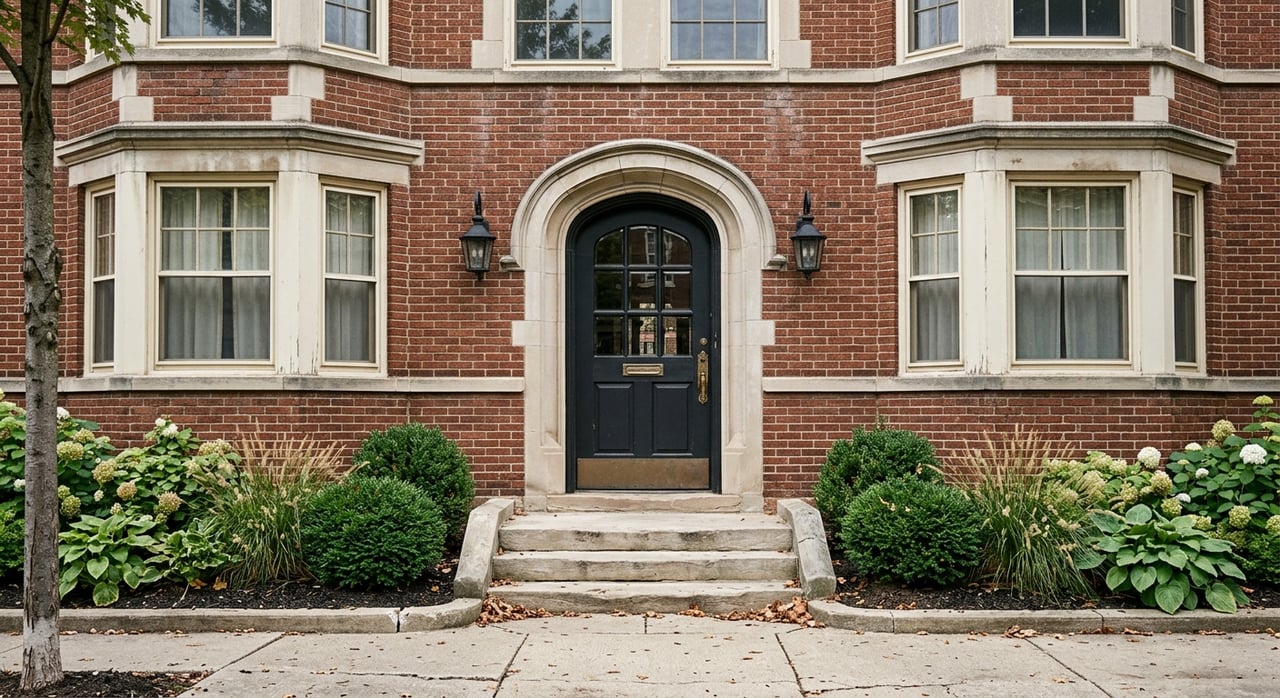
West Village stands out for the range of housing types within a relatively compact area. Historic-district staff reports describe a mix that includes modest frame workers' cottages, two-family houses, middle-class single-family homes, spacious mansions, terrace houses, and apartment buildings.
That range gives buyers more than one entry point into the neighborhood. You are not looking at a one-note housing stock where every block offers the same product. Instead, West Village has layers of housing built across different periods and for different household needs.
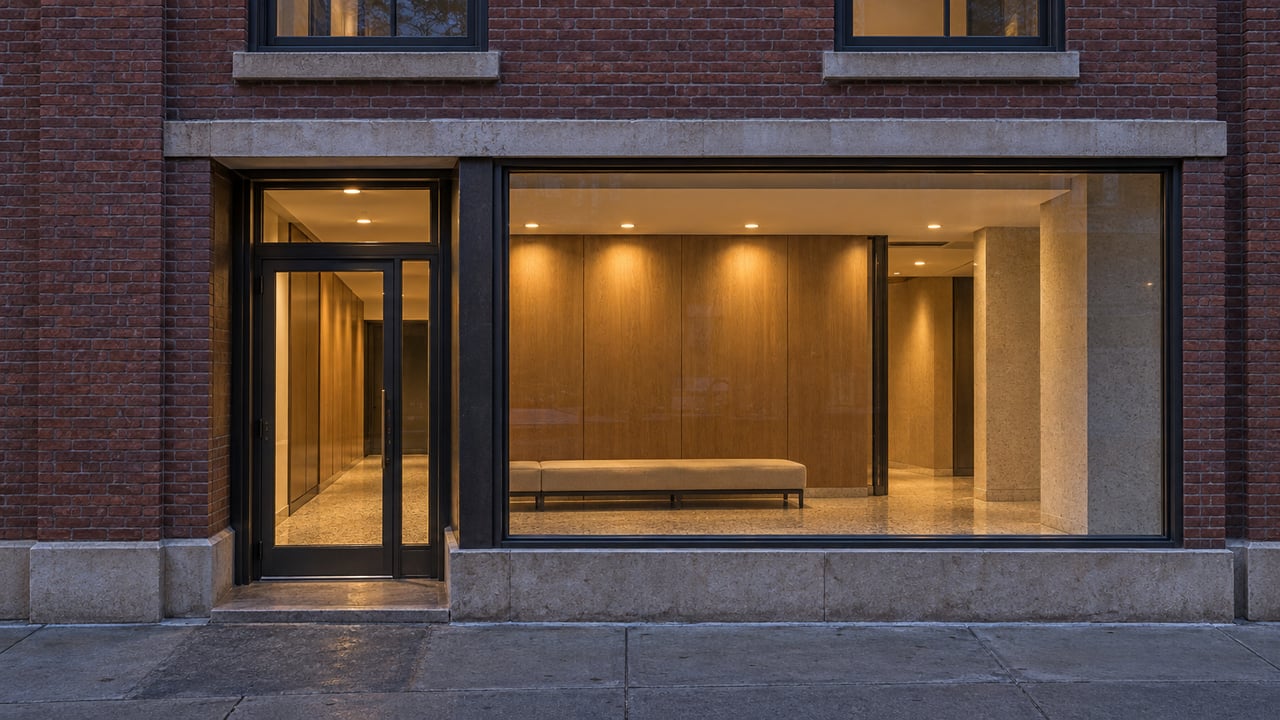
City design guidance adds more detail. Residential buildings are commonly 2.5 stories, one-and-one-half-story homes appear in some pockets, and apartment buildings range from 2 to 11 stories. Most principal exteriors are brick or clapboard, which reinforces the neighborhood's historic texture.
What Kind of Buyer Fits West Village?
Because the housing mix is so broad, West Village can appeal to several types of buyers. If you are buying for the first time, you may focus on a smaller historic home or a duplex-style property. If you want less exterior maintenance, an apartment-style option may be more practical.
If your priority is more space while staying in the city, the larger single-family homes and rowhouse-style properties may be the best fit. The key is to match your lifestyle, budget, and maintenance comfort level to the right slice of the neighborhood.
This is where neighborhood-level guidance matters. In a place like West Village, two homes at a similar price point can offer very different day-to-day experiences based on building type, lot coverage, condition, and renovation needs.
Historic District Rules Matter
West Village is not just architecturally distinctive. It is also a local historic district established in 1983, and that designation has practical consequences for homeowners.
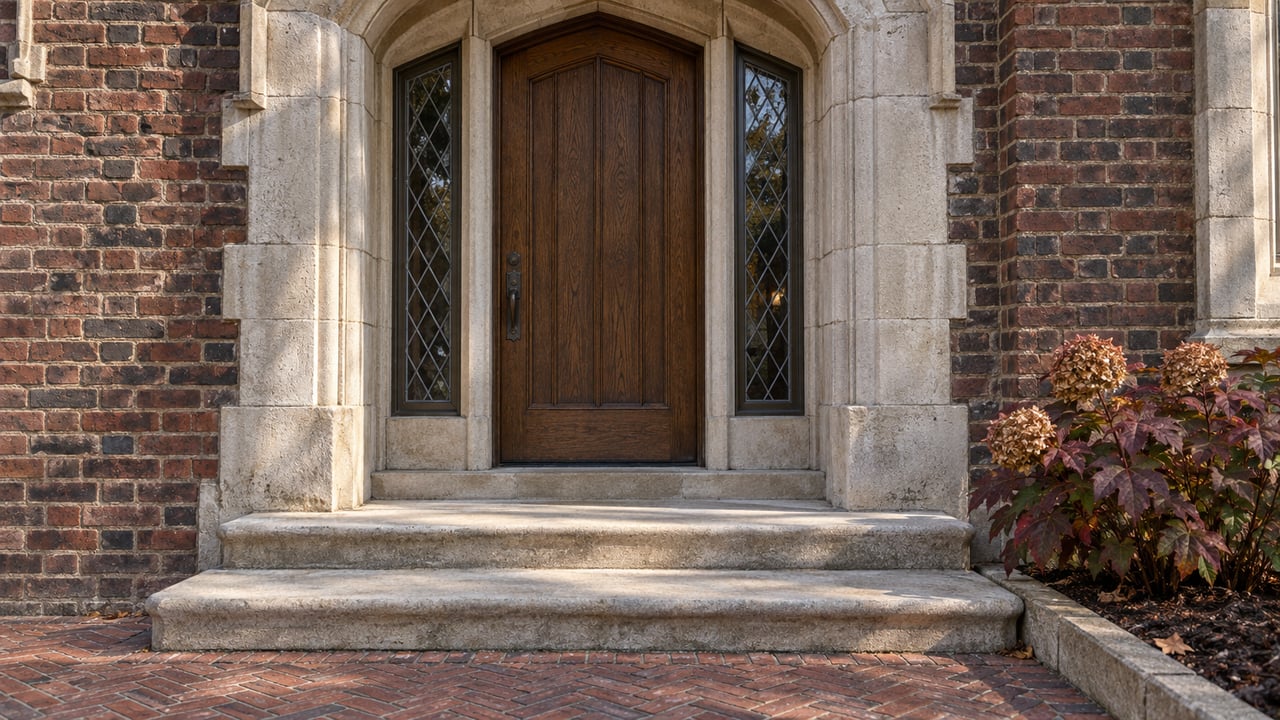
City design guidance for the district focuses on height, façade proportions, openings, porches and entrances, materials, texture, roof shape, setbacks, and landscape features. In plain terms, exterior changes are not simply a personal design decision. Items such as windows, masonry, porches, roofs, and additions may need review through the historic-district process.
For buyers, this means due diligence matters. If a home has been updated, it is worth understanding what was changed and whether future exterior work may require additional review. For sellers, renovation history and the condition of original exterior elements can shape buyer expectations.
Location Adds to the Appeal
West Village benefits from more than its own block-by-block character. It also sits near Indian Village and has short reach to Downtown Detroit, Belle Isle, and the riverfront. That close-in location is part of why the neighborhood continues to draw attention from buyers who want city living with strong neighborhood identity.
The Detroit Riverfront is accessed off Jefferson Avenue and major thoroughfares, and the Riverwalk stretches nearly five miles from Gabriel Richard Park east to Ralph C. Wilson, Jr. Centennial Park west of downtown. For residents, that creates another layer of recreation and mobility close to home.
When people talk about West Village lifestyle, they are often responding to this combination: neighborhood businesses, compact urban form, historic architecture, and access to some of Detroit's best-known destinations. That is a hard mix to duplicate.
What Buyers Should Watch For
If you are considering a purchase in West Village, it helps to look beyond surface charm. Historic homes and older multifamily properties can offer beautiful details and strong long-term appeal, but they also deserve careful evaluation.
A few smart questions to ask include:
- What type of property am I buying: single-family, two-family, rowhouse, or apartment-style unit?
- How much exterior upkeep am I comfortable taking on?
- Are there visible signs of deferred maintenance on masonry, porches, roofing, or windows?
- If I want to make future exterior changes, how might historic-district review affect my plans?
- How important is walkability to shops, dining, transit, or the riverfront in my day-to-day routine?
A clear process helps you compare properties more effectively. In a neighborhood with this much variety, it is easy to get distracted by charm alone.
What Sellers Should Know
If you are selling in West Village, your home's story matters. Buyers drawn to this neighborhood are often paying attention to architecture, block feel, and how the home connects to the surrounding district.
That means presentation is especially important. Clean visuals, thoughtful staging, and a clear explanation of the home's features can help buyers understand not just the property itself, but also how it fits into the broader West Village lifestyle.
It also helps to be ready for practical questions. Buyers may ask about exterior updates, historic-district considerations, and the differences between your block and nearby sections of the neighborhood. A well-prepared listing can answer those questions early and build confidence.
Why Local Guidance Helps
West Village is the kind of neighborhood where broad market advice only gets you so far. The details matter, from housing type and block pattern to historic-district review and access to neighborhood businesses.
That is why many buyers and sellers benefit from working with an advisor who understands Detroit's historic neighborhoods at a granular level. In West Village, success often comes from knowing how to weigh architecture, location, upkeep, and long-term fit together instead of treating them as separate decisions.
If you are thinking about buying or selling in West Village, a neighborhood-specific strategy can help you move with more clarity and fewer surprises. When you understand both the lifestyle and the logistics, better decisions tend to follow.
If you want help evaluating West Village homes, planning a sale, or understanding how this neighborhood compares with other Detroit options, reach out to Austin Black at City Living Detroit. Schedule a consultation.
FAQs
Is West Village Detroit actually walkable?
- Yes. The neighborhood association describes West Village as a walkable community, and the area includes a MoGo bike-share station plus bus routes 5, 9, 67, and 80.
What types of homes are common in West Village Detroit?
- West Village includes cottages, two-family houses, single-family homes, terrace houses, apartment buildings, and some larger mansions, with most buildings in a low- to mid-rise form.
Does the West Village historic district affect home updates?
- Yes. Exterior changes such as windows, masonry, porches, roofs, and additions may be subject to review through Detroit's historic-district process.
Is West Village Detroit close to downtown and the riverfront?
- Yes. West Village is close to Downtown Detroit, Belle Isle, and the Detroit Riverfront, with riverfront access available from Jefferson Avenue and nearby major thoroughfares.
Why do buyers consider West Village Detroit?
- Buyers are often drawn to West Village for its walkable street pattern, local businesses, varied historic housing stock, and close-in location near other key Detroit destinations.