If you are thinking about buying in New Center, you are probably drawn to something very specific: city convenience with real neighborhood character. This is not a one-note housing market, and that is exactly why many buyers find it compelling. In New Center, you can find historic buildings, newer development, major employers, and transit access all packed into a relatively small area. This guide will help you understand what to expect before you tour, compare, and make an offer. Let’s dive in.
Why New Center draws buyers
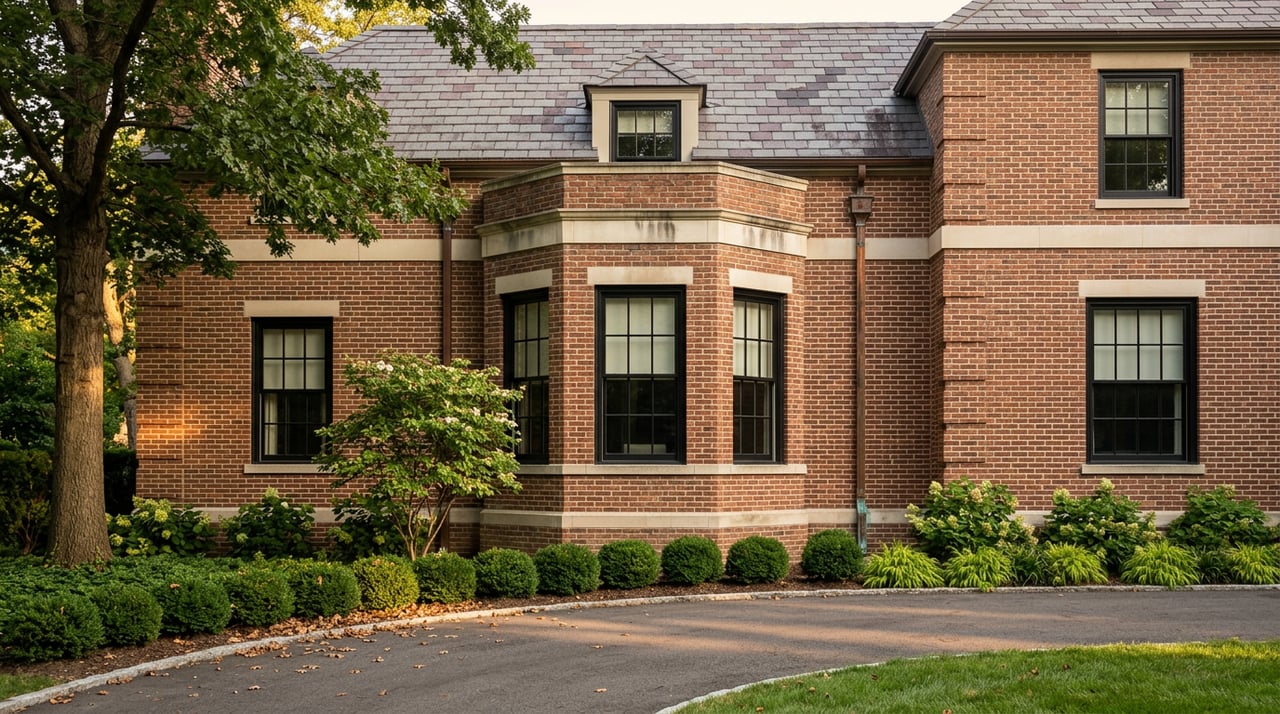
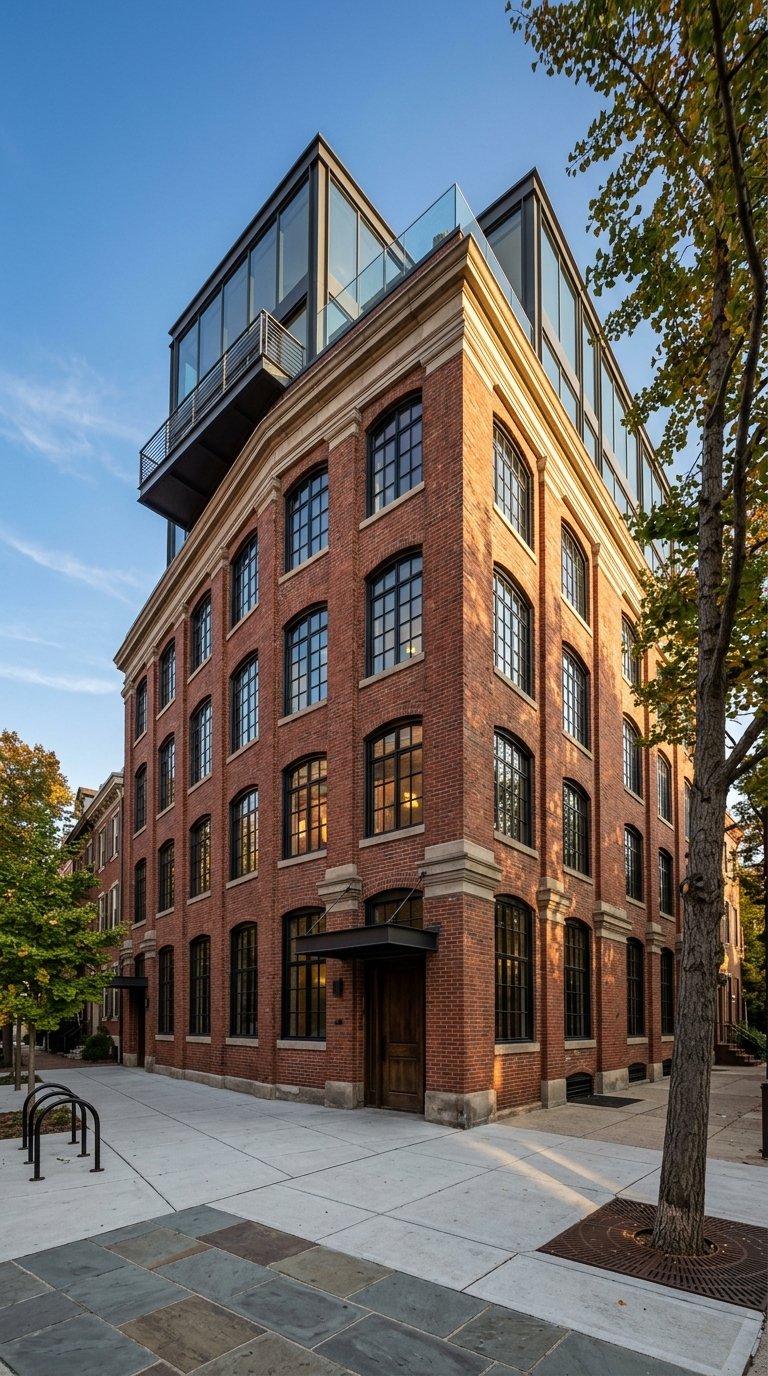
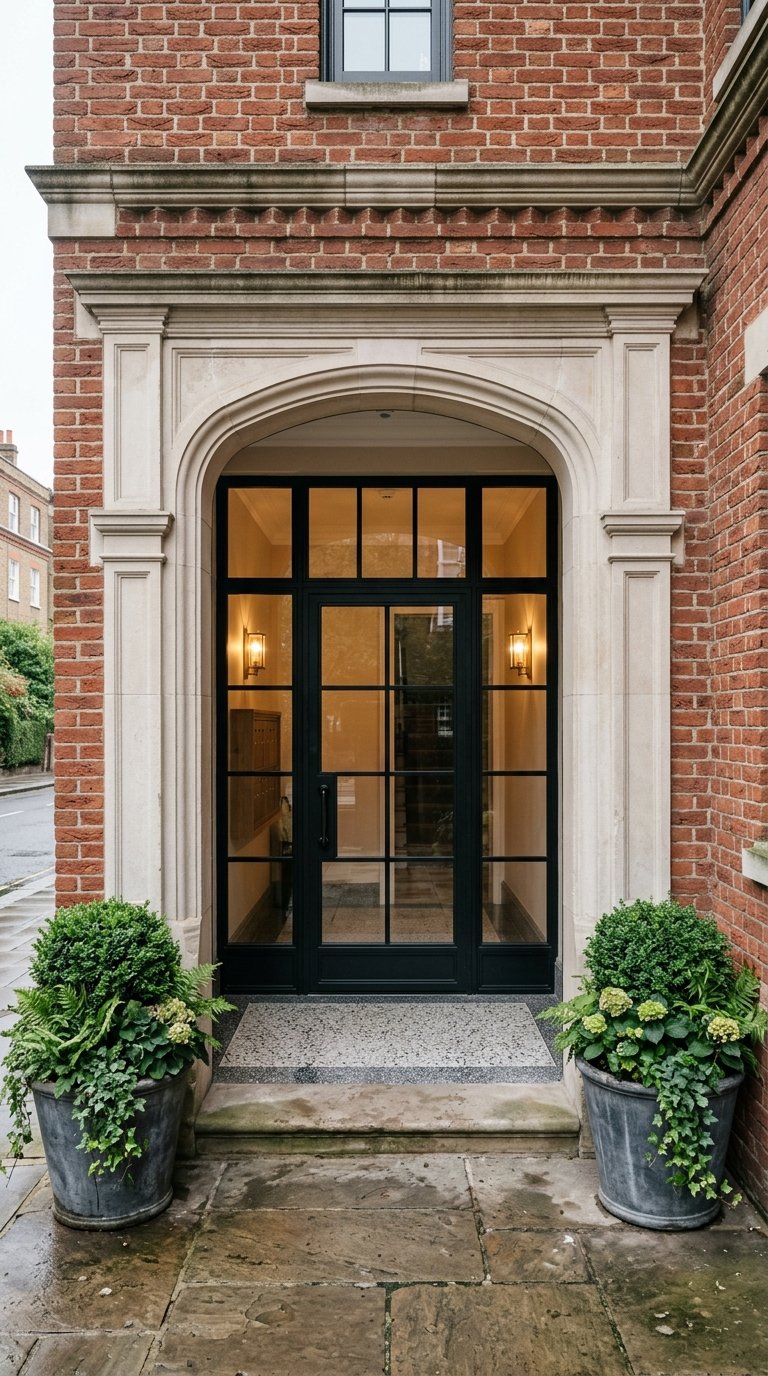
New Center sits about three miles north of downtown Detroit, and its identity is shaped by both history and momentum. The commercial core along Woodward Avenue includes mostly masonry buildings from the 1920s through the 1950s, which means the area often feels architectural and layered rather than uniform. For you as a buyer, that usually translates to block-by-block variety, older construction, and more property differences than you might expect in a more standardized market.
A big part of New Center’s appeal is its employment base. Henry Ford Hospital is a major anchor in the neighborhood, with an 877-bed campus and a large concentration of physicians, researchers, and related activity. Cadillac Place adds another major employment and civic hub, housing about 1,700 state employees along with daily visitors.
Transit is also part of the value story. The QLINE connects New Center with Midtown and Downtown, and the City of Detroit says it runs Monday through Saturday from 8 a.m. to midnight and Sundays from 8 a.m. to 9 p.m. If you are comparing homes with different parking setups, that schedule can matter more than you think.
What the housing stock looks like
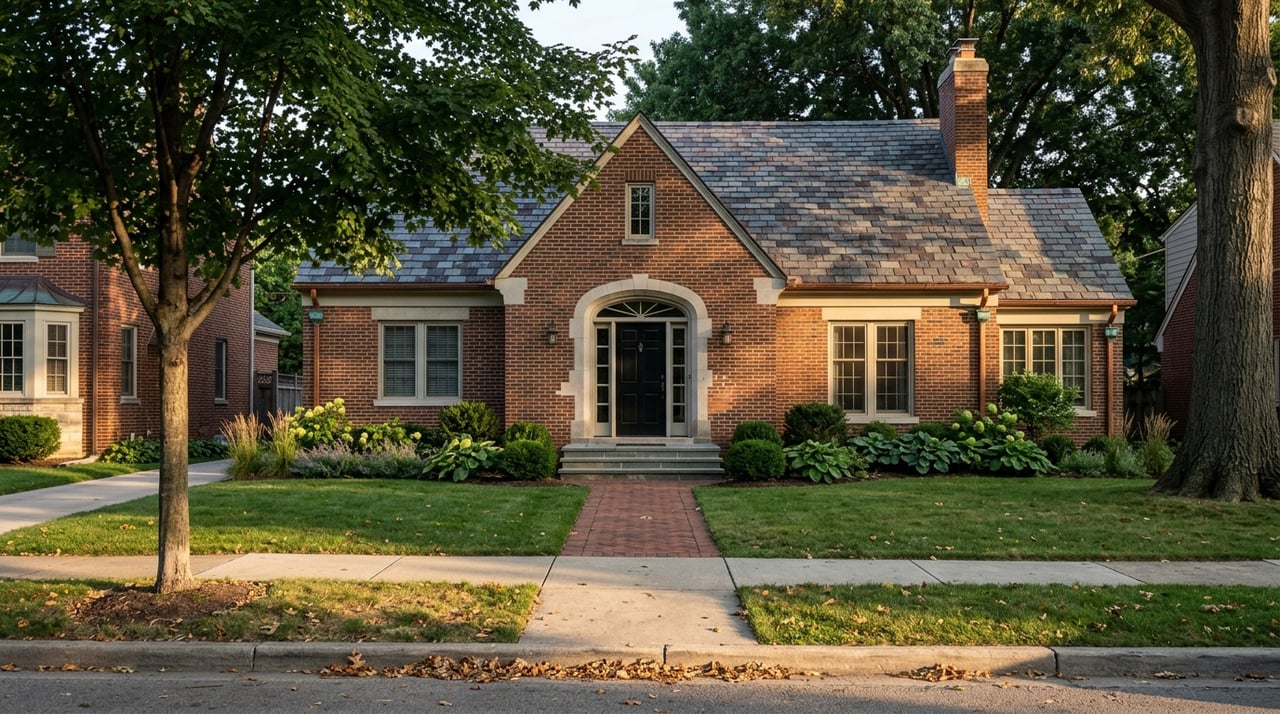
One of the first things to understand about buying a home in New Center is that the housing stock is mixed. You are not choosing from one dominant product type. Instead, you may see historic multifamily buildings, adaptive reuse projects, condominium conversions, and newer mixed-use residential development.
That mix makes New Center especially appealing if you like architecture and urban living, but it also means you need to evaluate each property on its own terms. A historic building can offer character and location, while a newer unit may offer a different maintenance profile and amenity package. In this neighborhood, the details of the building matter just as much as the unit itself.
Historic residential patterns are still visible in the area. The broader New Center area includes examples like the Seward Hotel, which opened in 1926 as a residential hotel with 306 apartments. That history helps explain why buyers here often encounter older multifamily stock and buildings that have changed use over time.
Expect an evolving neighborhood
New Center is not a static neighborhood. It is in an active period of change, and that should shape how you think about timing, location, and long-term expectations. If you buy here, you are buying into a corridor that is still developing.
The largest catalyst is the Future of Health effort tied to Henry Ford. According to project materials, the plan is intended to support a more walkable community with residential, commercial, retail, recreational, and health care components. City and project information shows more than 600 new residential units in the pipeline, including the adaptive reuse of One Ford Place into about 403 mixed-income apartments with 20 percent affordable units, plus new mixed-use residential buildings and additional commercial space.
There is also a long construction horizon to keep in mind. Henry Ford says the hospital expansion is on track for 2029, and the related research center is expected to open in 2027. That means street conditions, traffic patterns, and the day-to-day feel of certain blocks may keep shifting for several years.
Tour with a strategy
In New Center, one showing is rarely enough. Because the neighborhood is shaped by hospital activity, office traffic, transit schedules, and ongoing construction, the same block can feel very different depending on the time of day. A smart buying strategy here is to revisit the area more than once before you commit.
Try to tour during a weekday commute window, after dark, and on a weekend. That gives you a better read on traffic flow, street noise, parking, and how easy it feels to get around on foot. If a building seems perfect during a quiet midday showing, a second or third visit can help you confirm whether it still fits your routine.
This is especially important if you are buying for convenience. New Center can work very well for buyers who want proximity to jobs, cultural destinations, and transit, but the experience is highly location-specific. A few blocks can make a meaningful difference.
Treat older buildings carefully
Older buildings can be a major part of New Center’s appeal, but they require disciplined due diligence. If you are buying a house or small multifamily property, Michigan seller disclosure law says the disclosure form is a condition disclosure, not a warranty. In plain terms, that means you should not treat the disclosure alone as proof that all major issues have been fully investigated or resolved.
For conversion condominiums, Michigan law requires disclosure about the condition of major building systems. That includes roofs, foundations, external and supporting walls, heating and cooling, electrical, plumbing, and known code violations. Those requirements give you a starting point, but they do not replace a careful review.
A practical next step is to ask for documentation on major past work. That can include permit history, contractor invoices, and records for key repairs or improvements. In a neighborhood with older buildings and adaptive reuse, paperwork matters.
Condo and HOA review matters here
If you are buying a condo in New Center, HOA due diligence deserves extra attention. Michigan’s Condominium Buyer’s Handbook says there is no government agency that regulates condo associations or management companies, and enforcement generally runs through the courts rather than a state regulator. That makes your document review even more important.
You should review the master deed, purchase and escrow agreements, disclosure statement, and association budget. The same handbook says associations must maintain a reserve fund equal to at least 10 percent of the annual budget on a non-cumulative basis. It also notes that associations may assess owners for major repairs.
That means your monthly dues are only part of the story. You also want to understand the building’s financial health, maintenance planning, and whether large projects could lead to additional owner costs. In New Center, where building age and condition can vary widely, this step is essential.
Ask parking questions early
Parking is one of the most important practical questions in New Center, and it is never wise to assume the answer. A listing may say parking is available, but the real question is what that means for your specific unit. In condo settings, a parking space may be deeded, assigned, leased, or subject to a waitlist.
Michigan condo guidance also notes that some parking spaces can be treated as limited common elements. That means access rights may be more complex than a simple yes-or-no amenity. You will want clear answers before you move forward.
A nearby example of area parking infrastructure is the New Center Garage, which offers 1,320 spaces, EV charging, badge-holder access, and 24/7 security, with direct connections to New Center One and the Henry Ford campus. Even so, nearby parking options do not replace the need to verify exactly what comes with the property you are buying.
Lifestyle in New Center today
New Center offers a mix of convenience and momentum rather than a finished, polished formula. The area benefits from major institutions, a growing dining scene, and access to destinations along Woodward. If you enjoy urban neighborhoods that are still taking shape, that can be part of the draw.
Local visitor information describes a growing food and coffee scene, and the broader corridor continues to add activity. The Motown Museum expansion is also part of the bigger picture, with an expanded retail experience and casual-style café planned as construction continues. At the same time, it is worth remembering that active development can mean temporary disruption before the long-term benefits are fully visible.
For many buyers, this comes down to expectations. If you want a neighborhood that already feels fully settled, New Center may feel transitional in places. If you are comfortable with change and want to be near major investment, jobs, and transit, the neighborhood may fit very well.
What to expect during your search
Buying in New Center usually requires a more focused comparison process than buyers expect at first. Because inventory can range from historic units to newer projects, it helps to narrow your must-haves early. Parking, building condition, HOA structure, commute patterns, and construction exposure should all be near the top of your list.
This is also a neighborhood where building-by-building analysis matters. Two homes at a similar price point may offer very different ownership experiences depending on age, maintenance history, systems, and association health. Looking past finishes and square footage can save you from expensive surprises later.
A structured search process makes a real difference here. When you compare only the few factors that truly matter to your lifestyle, the right fit usually becomes much clearer.
If you are considering New Center, it helps to work with an advisor who understands Detroit’s urban housing stock, condo due diligence, and the way neighborhood change can affect block-level value. If you want clear guidance as you compare buildings, weigh tradeoffs, and prepare to buy, connect with Austin Black at City Living Detroit.
FAQs
What types of homes can you buy in New Center Detroit?
- You can find a mix of historic multifamily housing, adaptive reuse buildings, condominium conversions, and newer residential development tied to current neighborhood investment.
What should you know about older buildings in New Center Detroit?
- You should treat older properties carefully, review seller disclosures as condition reports rather than warranties, and ask for permit history, contractor invoices, and records of major repairs.
What should condo buyers review in New Center Detroit?
- Condo buyers should review the master deed, disclosure statement, purchase and escrow documents, association budget, reserve funding, and the possibility of future assessments for major repairs.
How important is parking when buying in New Center Detroit?
- Parking is very important because access can vary by building and unit, so you should confirm whether a space is deeded, assigned, leased, waitlisted, and whether guest parking is available.
Is New Center Detroit still changing?
- Yes, major projects connected to Henry Ford and other corridor investment are scheduled through 2027 and 2029, so buyers should expect continued construction and evolving street-level conditions.
Why do buyers choose New Center Detroit?
- Buyers are often drawn to New Center for its location, architectural character, major employment anchors like Henry Ford Hospital and Cadillac Place, and transit access through the QLINE.
Recommended reading: Choosing The Right Downtown Detroit Condo Building