If you have started looking at downtown Detroit condos, you have probably already noticed one thing: not all "downtown" options live the same. A loft near Broadway, a tower in Capitol Park, and a high-rise near the Riverfront can offer very different day-to-day routines, even when they are only minutes apart. This guide will help you compare downtown condo buildings more clearly, narrow your shortlist, and focus on the details that matter most before you buy. Let’s dive in.
Downtown Detroit Is a Micro-Market
Downtown Detroit works best when you think of it as a collection of small connected districts, not one single neighborhood. The Downtown Detroit Partnership notes that downtown population has grown 30% over the last decade, and the district includes 18 parks and public spaces along with hundreds of businesses and thousands of employees.
That means your exact block can shape your experience as much as the building itself. Access to parks, restaurants, offices, entertainment, and daily transit can change quickly from one part of downtown to another.
Use Districts as Your First Filter
A smart shortlist often starts with a few location anchors. In downtown Detroit, that can include Capitol Park, the Financial District, Grand Circus Park, Broadway, and the Riverfront or Renaissance Center area.
Each one connects a little differently to daily life. If you work downtown, go to games and shows often, or want easier RiverWalk access, that location filter can save you time before you compare unit finishes or amenities.
Transit Matters More Than Many Buyers Expect
Downtown residents can get around with MoGo, DDOT, SMART, FAST, rideshare, the People Mover, and the QLINE. The People Mover and the QLINE are both free to ride, which makes station access a practical part of your condo search.
The People Mover station map helps show how each area supports a different routine. Renaissance Center connects to GM headquarters and the RiverWalk, Broadway connects to the Opera House and Ford Field, Grand Circus Park connects to the Fox Theatre and Little Caesars Arena, and Financial District connects to Hart Plaza and Spirit Plaza.
Compare Building Types First
Before you dive into HOA documents or parking questions, it helps to sort buildings by type. In downtown Detroit, the building style often shapes the ownership experience, maintenance profile, and lifestyle fit.
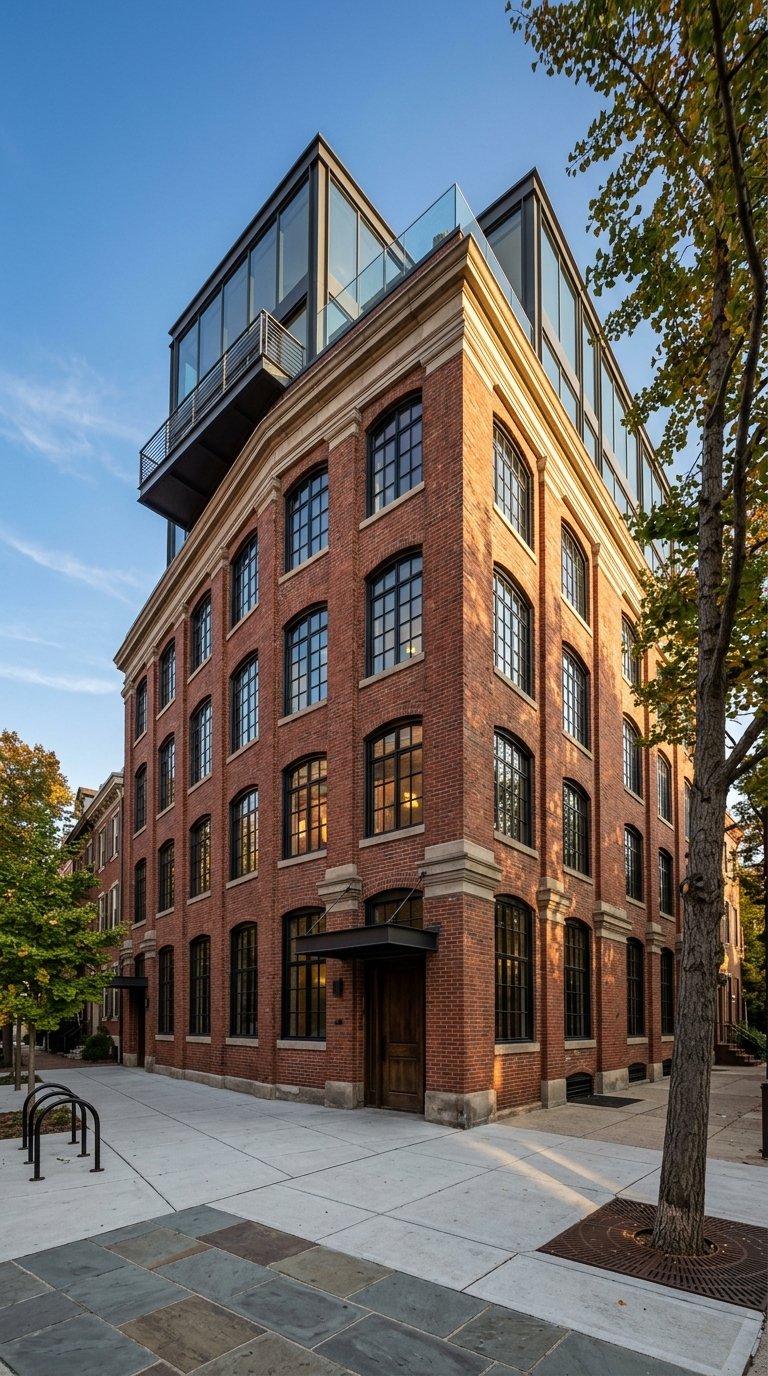
Historic Loft Conversions
Historic loft conversions tend to appeal to buyers who want character, texture, and a more intimate building feel. The Lofts of Merchants Row, for example, highlights loft-style residences close to Comerica Park, the Detroit Opera House, the RiverWalk, and downtown shopping and dining.
Bethune Lofts also reflects this category, with restored historic character paired with modern amenities. If natural light, architectural detail, and a less corporate feel matter to you, this group may rise to the top of your list.
Landmark Towers and Adaptive Reuse High-Rises
If you want historic architecture with more scale, downtown also offers landmark tower living. The Stott is a 38-story Art Deco tower in Capitol Park with access to dining, transit, parks, offices, and entertainment venues.
Book Tower and Broderick Tower fit this category too. These buildings often appeal to buyers who want skyline views, a strong architectural identity, and a central address close to major downtown destinations.
Newer Luxury High-Rises
For buyers who value newer systems, service, and a lock-and-leave lifestyle, newer luxury high-rises may be the better fit. Hudson’s Detroit represents this end of the market, with The Residences at The Detroit EDITION planned to include 96 high-rise condominiums opening in 2027.
According to Bedrock, the project will include one- to four-bedroom layouts, 14,000 square feet of private amenities, an indoor parking garage with valet, and access to hotel amenities. This type of product often works well for relocation buyers, busy professionals, and anyone who wants more service built into the building.
Boutique-Scale Residences
Boutique buildings can offer a middle ground between a small historic loft building and a large service-heavy tower. The Farwell is a good example, with just over 80 residences, a historic vaulted dome, a rooftop lounge, covered assigned garage parking, controlled access, and direct Capitol Park access.
This kind of building can fit buyers who want fewer neighbors, strong design character, and a very walkable location without the scale of a major high-rise.
Separate Building Style From Ownership Details
One of the most important downtown condo lessons is simple: physical style and ownership terms are not the same thing. Some downtown buildings may look similar from the street but operate very differently once you review the condo documents and rules.
That is why the real comparison starts after you identify a few buildings you like. Then you verify the ownership model, condo documents, financing path, HOA rules, and practical day-to-day details building by building.
What to Verify Before You Buy
Once you have a shortlist, the next step is due diligence. This is where a good condo search becomes more disciplined and much less emotional.
Review Age, Maintenance, and Reserves
Older downtown buildings can be beautiful, but age changes the questions you need to ask. Michigan’s Condominium Buyer’s Handbook says associations must maintain a reserve fund for major repairs and replacement of common elements, with a minimum amount equal to 10% of the annual budget on a non-cumulative basis.
That matters because low monthly fees do not automatically mean lower risk. The same handbook notes that monthly fees and assessments are liens on the unit, so reserve strength and maintenance planning should be part of how you judge value.
Ask for HOA Documents Early
Condo documents should not be an afterthought. Michigan’s handbook says buyers should ask for the recorded master deed, purchase agreement, escrow agreement, buyer’s handbook, and the disclosure statement with budget itemization.
Associations must also provide annual financial statements and keep books and records available for examination. When annual revenues exceed $20,000, the books and financial statements must be independently audited or reviewed unless the association opts out.
Treat Parking as a Document Question
In downtown Detroit, parking is too important to leave to assumptions. Michigan’s handbook explains that an assigned parking space can be a limited common element, which means your actual rights are controlled by the master deed and bylaws.
And downtown buildings handle parking differently. Book Cadillac advertises secure enclosed parking, The Farwell offers covered assigned garage parking, and Hudson’s includes an indoor parking garage with valet. As you compare buildings, note whether parking is deeded, assigned, leased, or off-site, and whether guest parking is available.
Check Occupancy and Rental Rules
If you think you may travel often, relocate later, or want flexibility down the road, occupancy and rental rules deserve a close look. Michigan’s handbook says condominium documents may be amended regarding rental of units or terms of occupancy.
That matters for investors, future landlords, and owner-occupants alike. Even if you plan to live in the condo full time, you should still understand what could change later.
Measure Walkability Against Your Real Routine
Walkability is not just about a general feeling. It should match the places you actually use each week.
For example, The Stott emphasizes access to restaurants, bars, coffee shops, offices, transit, parks, and sports and entertainment venues. Book Cadillac highlights walking distance to the RiverWalk, stadiums, theaters, restaurants, and museums. Hudson’s also emphasizes proximity to major venues, the Detroit Riverfront, museums, galleries, and transit. The right fit depends on how you live, not just what looks good on paper.
Match the Building to Your Buyer Profile
A better condo search starts when you stop asking, "Which building is best?" and start asking, "Which building fits my routine best?"
Urban Core Professional or First-Time Condo Buyer
If you want downtown convenience, strong transit access, and a car-light routine, centrally located towers often make sense. Buildings like The Stott, Book Cadillac, and Hudson’s illustrate the appeal of living close to offices, dining, and entertainment.
For many first-time condo buyers, this category also helps reduce decision fatigue. You can focus on a few well-located buildings and compare them more directly.
Design-Forward Historic Buyer
If architecture is part of why you are buying downtown, historic loft conversions and landmark towers may be your best match. Merchants Row, Bethune Lofts, Book Tower, and Broderick Tower all show how character can be a major part of the value.
These buildings often reward buyers who care about original details, urban texture, and a sense of place.
Executive Relocation or Move-Up Buyer
If your schedule is busy and simplicity matters, service-oriented buildings may deserve extra attention. Newer luxury towers or fully serviced historic towers can help streamline day-to-day life with stronger parking solutions and amenity support.
Hudson’s and Book Cadillac are strong examples of this type of downtown product. For relocation clients in particular, certainty around access, parking, and convenience can matter as much as the unit itself.
Car-Light or Travel-Heavy Buyer
If you want to drive less or leave town often, transit adjacency should move up your list. The QLINE runs 3.3 miles on Woodward with 13 stops, and the People Mover is free with 13 downtown stations.
That means being close to the right station can materially improve your routine. In some cases, transit access may matter just as much as square footage or a view.
Build a Better Shortlist
In most cases, the best downtown condo shortlist is not 15 buildings long. It is usually 3 to 5 buildings that line up with your daily routine, architecture preferences, parking needs, and comfort level with HOA financials and rules.
That is where a more structured search really helps. When you compare a smaller group of buildings across age, reserve strength, occupancy rules, parking setup, and true walkability, the right choice usually becomes much clearer.
Downtown Detroit has real range, from intimate historic loft buildings to large towers and newer luxury product. If you want help narrowing the field and pressure-testing your top options, Austin Black at City Living Detroit can help you build a smart shortlist and choose with confidence.
FAQs
What should you compare when choosing a downtown Detroit condo building?
- Start with building type, exact location, transit access, parking structure, HOA financials, reserve strength, occupancy or rental rules, and walkability to the places you actually use.
Why does parking matter so much in downtown Detroit condo buildings?
- Parking rights can vary by building and may be controlled by condo documents, so you should confirm whether parking is deeded, assigned, leased, valet-based, or off-site before you buy.
Are all downtown Detroit condo buildings good for a car-light lifestyle?
- No. Some buildings have much better access to the People Mover, QLINE, offices, venues, and daily services, so your exact block and station access can make a big difference.
What HOA documents should you request for a downtown Detroit condo?
- Ask for the recorded master deed, purchase agreement, escrow agreement, buyer’s handbook, disclosure statement with budget itemization, and the association’s financial statements and records.
How many downtown Detroit condo buildings should you shortlist?
- A focused shortlist of 3 to 5 buildings is often most effective because it lets you compare location, building style, reserves, rules, and parking more clearly without getting overwhelmed.
Recommended reading: Buying A Home In New Center Detroit: What To Expect