If you want city living in Detroit, Midtown is usually part of the conversation. The question is whether it fits your daily routine, housing style, and priorities, not just whether it looks good on a map. In this guide, you’ll get a practical look at how Midtown works, what makes it different, and who tends to feel most at home there. Let’s dive in.
What Midtown Really Is
Midtown is best understood as a compact urban district with several moving parts. Midtown Detroit, Inc. describes it as a 3-square-mile district, and Visit Detroit places it about 1.5 miles from Downtown Detroit. That means you are close to the city core, but not living in the same environment as Downtown itself.
This also is not a single-purpose neighborhood. Midtown brings together housing, cultural institutions, retail, dining, medical campuses, and university-related activity in one relatively tight area. It feels active because many daily uses overlap instead of being spread far apart.
Another important detail is that Midtown is actively supported by Midtown Detroit, Inc. Its work includes maintenance, security, small-business support, planning, infrastructure, real estate development, and arts programming. For you, that can translate into a district that feels intentionally managed and consistently programmed.
Midtown’s Micro-Districts Matter
One reason Midtown can feel different block to block is that it includes several subareas with distinct identities. If you are considering a move here, it helps to think beyond the broad Midtown label.
Wayne State Area
The Wayne State area surrounds Wayne State University’s campus. Midtown Detroit, Inc. describes it as having historic architecture and an urban atmosphere. If you like being near campus energy and institutional anchors, this part of Midtown may stand out.
Art Center
Art Center is the residential district around Detroit’s Cultural Center. This is where many of the area’s museum and civic anchors cluster. If cultural access is high on your list, this is one of Midtown’s clearest draws.
North Cass
North Cass is Midtown’s small-business shopping district. Midtown Detroit, Inc. points to businesses like Shinola, Third Man Records, and Avalon as anchors. If your ideal routine includes walkable retail, coffee, and local storefronts, North Cass helps define that Midtown lifestyle.
South Cass
South Cass is Midtown’s entertainment district. It is anchored by Little Caesars Arena and the Masonic Temple and sits near Comerica Park and Ford Field. If you want easier access to concerts, games, and event nights, this part of the district may feel especially convenient.
Medical Center
The Medical Center area is centered on the Detroit Medical Center, John Dingell VA Hospital, and Wayne State University School of Medicine. Midtown Detroit, Inc. also notes additional retail and dining in the area. This can be a practical fit if you want proximity to major employment and service anchors.
Brush Park
Brush Park is one of Detroit’s oldest neighborhoods and was once known for its mansion district history. Midtown Detroit, Inc. describes it as an area now seeing a renaissance with new development. If you are drawn to a mix of historic identity and newer housing, Brush Park deserves a close look.
Why Midtown Appeals to Urban Buyers
Midtown works well for buyers who want more than just a place to sleep. Its appeal comes from the way museums, restaurants, shops, institutions, and housing all sit within a compact geography. That mix gives you a neighborhood where errands, social plans, and cultural outings can feel connected.
The walkable experience is strongest along Cass Corridor, Woodward Avenue, and Canfield Avenue. Visit Detroit describes these areas as easily walkable, with QLINE access built into the district. If you value being able to do more without driving for every stop, Midtown checks that box better than many parts of the region.
There is also a certain rhythm to Midtown that many urban-core buyers appreciate. It can feel more layered than a purely entertainment-driven district because it combines day-to-day uses with larger cultural and institutional anchors. That creates a neighborhood that stays relevant beyond weekends and event nights.
Midtown’s Cultural Access Is a Major Advantage
If arts and culture shape where you want to live, Midtown stands out. The Cultural Center area includes institutions such as the Detroit Institute of Arts, Detroit Public Library, Detroit Historical Museum, Charles H. Wright Museum, Michigan Science Center, College for Creative Studies, Wayne State University, the University of Michigan Detroit Center, the Scarab Club, and the Hellenic Museum of Michigan.
That concentration is one of Midtown’s biggest competitive advantages. Compared with Downtown, New Center, and Corktown, Midtown is the densest arts-and-culture cluster of the four based on the research provided. For some buyers, that alone can be the deciding factor.
The setting also has a strong architectural identity. Visit Detroit connects the Cultural Center to the City Beautiful era and the 1910 Bennett plan, with Beaux-Arts and Renaissance-style civic buildings shaping the area’s visual character. If you care about design, streetscape, and historic context, Midtown offers more than simple convenience.
What Housing in Midtown Looks Like
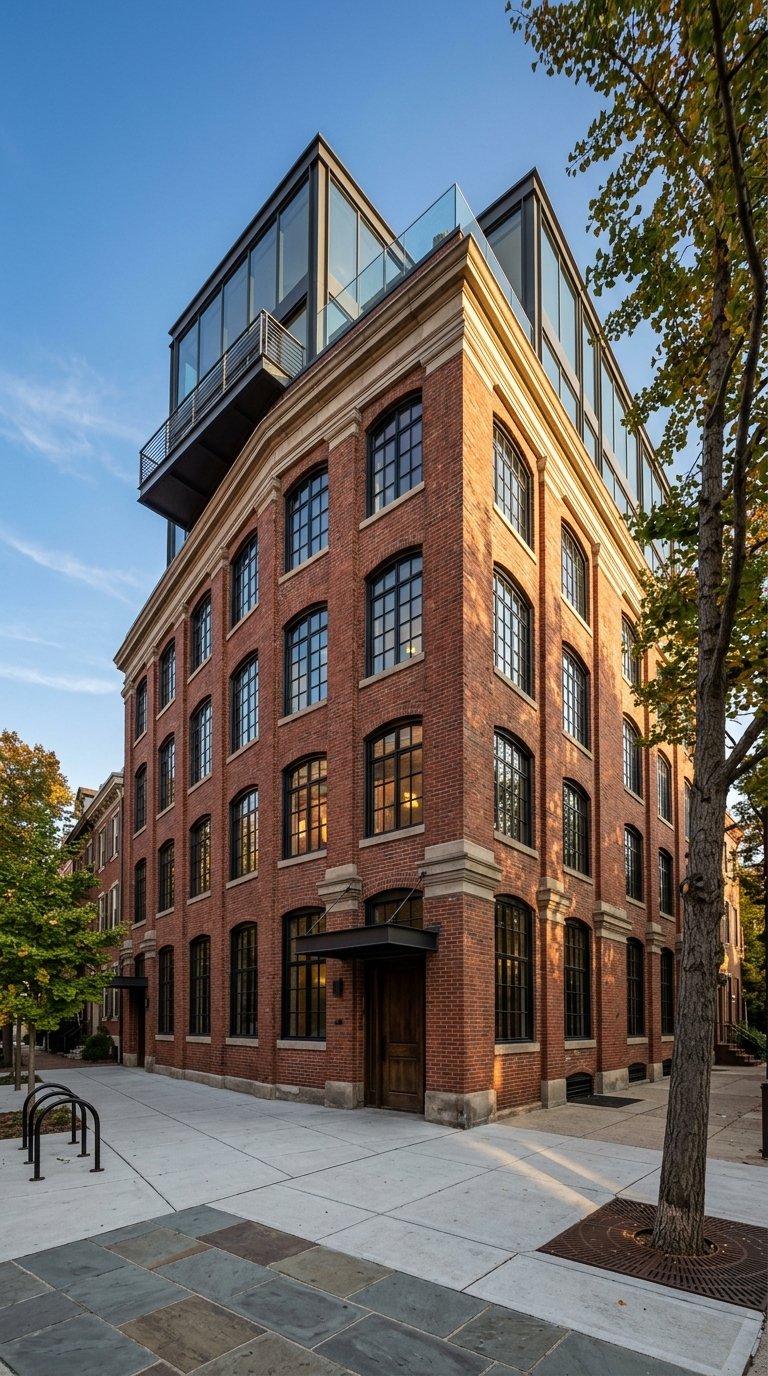
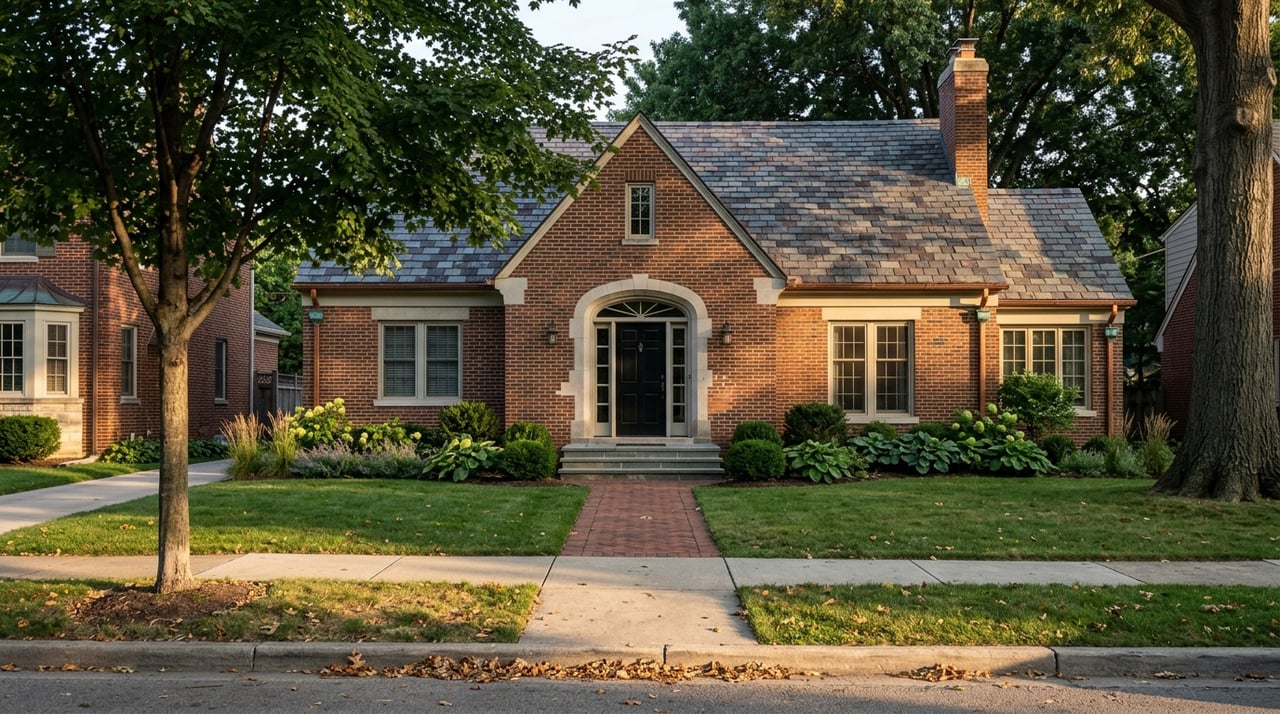
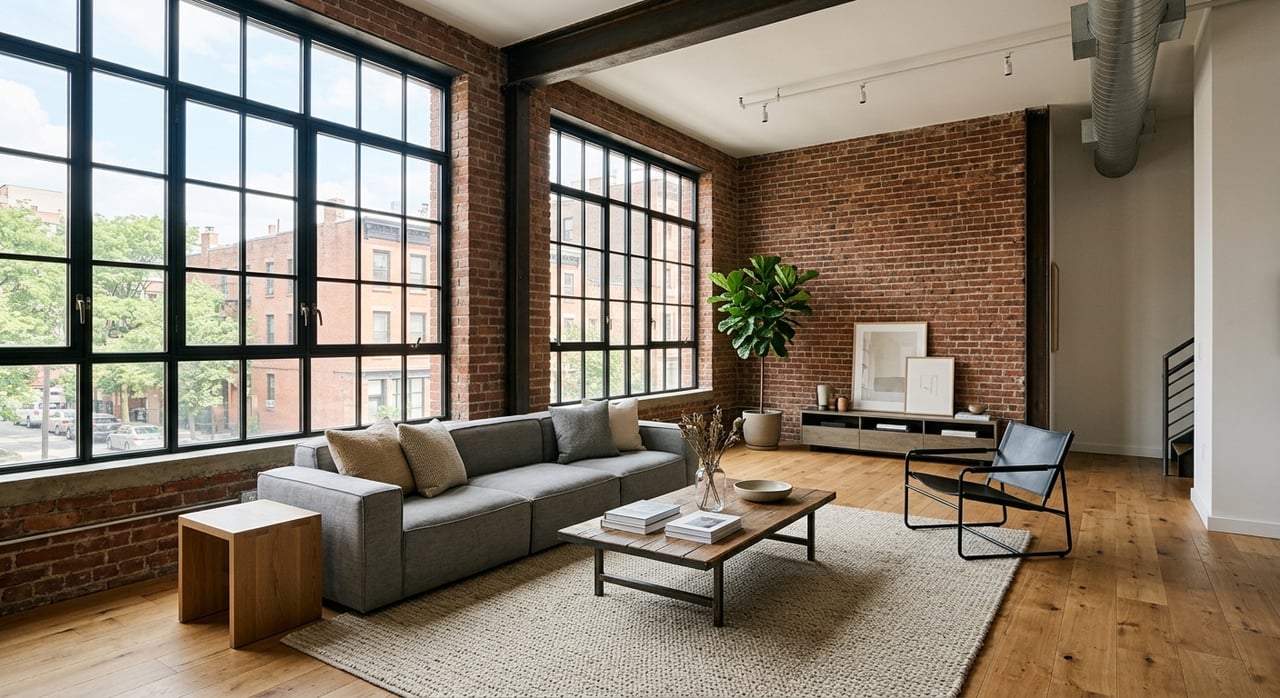
Midtown has a wider housing mix than many people expect. The district includes older apartment buildings, restored properties, and newer mixed-income infill. That gives you options if you want historic character, a more updated feel, or something in between.
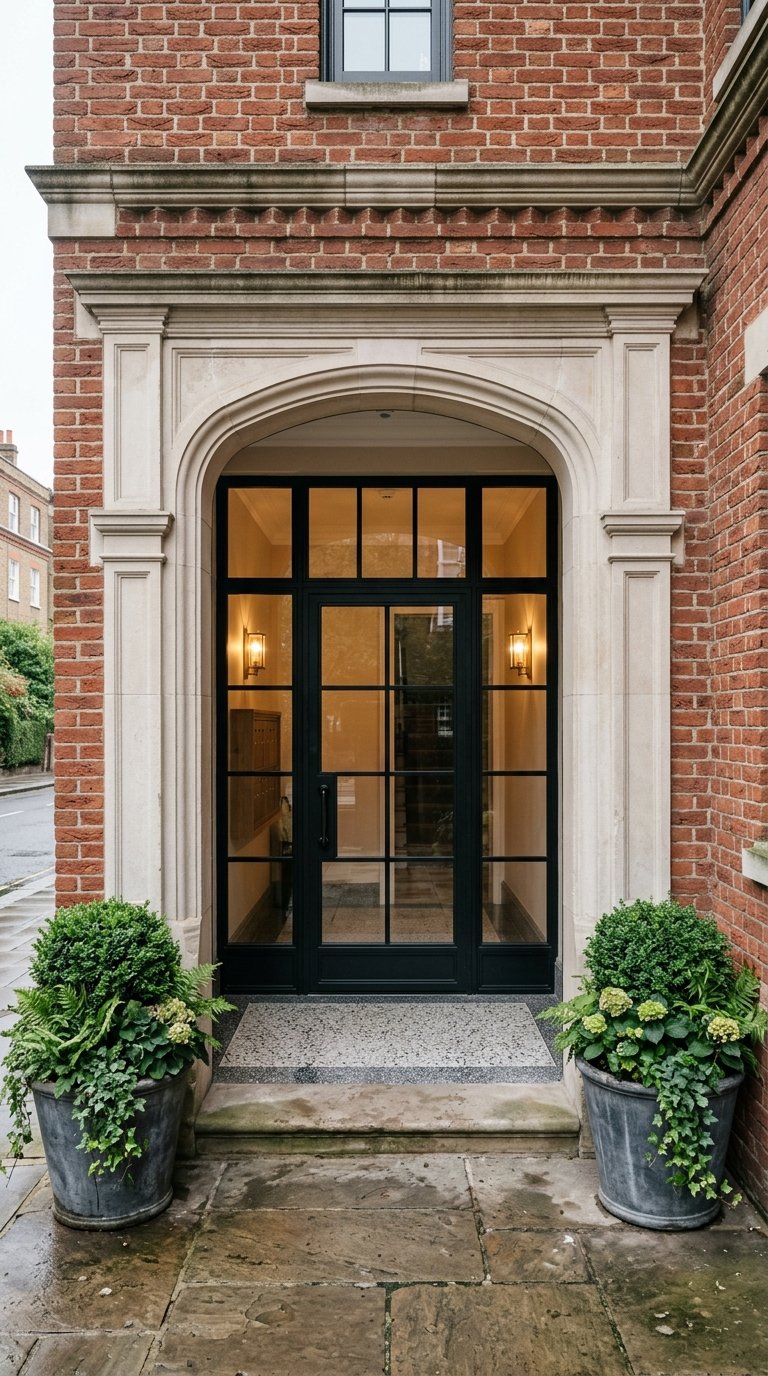
Midtown Detroit, Inc. profiles historic apartment buildings such as Phillips Manor and The Taft & Sherman. These examples help show that Midtown still offers homes with older architectural bones and established urban character. For buyers and renters who value that kind of setting, this can be a big plus.
On the newer side, Brush Park’s City Modern includes four renovated Victorian mansions, 20 new buildings, and more than 400 homes across six housing styles. The City of Detroit has also highlighted newer projects like 655 W. Willis, a 36-unit mixed-income building, and Freelon at Sugar Hill, a 68-unit mixed-use project with retail and parking. Another project, Greystone Senior Living, is underway as a 49-unit affordable senior development expected in 2026.
What this means for you is simple: Midtown is not a one-note housing market. You can find different building eras, scales, and living patterns within a relatively small area. That variety matters when you are trying to match a neighborhood to your budget, taste, and lifestyle.
Getting Around Midtown Day to Day
Transportation is one of Midtown’s practical strengths. The district is served by the free QLINE streetcar on Woodward Avenue, with Midtown stops at Canfield Street, Warren Avenue, and Ferry Street. Visit Detroit also notes that Midtown can be explored by foot, car, or QLINE.
Parking options include lots, street parking, and garages. That matters because even buyers who want walkability often still want flexibility for driving. Midtown tends to support both patterns better than neighborhoods that rely heavily on one mode of travel.
It is also helpful to know what Midtown does not have. The People Mover is a downtown-only loop, so it is not a Midtown neighborhood amenity in the same direct sense. If you use it, you would generally connect to it after reaching Downtown.
Midtown vs. Downtown, New Center, and Corktown
Midtown is often easiest to understand when you compare it to nearby core neighborhoods. Each one offers a different version of city living.
Midtown vs. Downtown
Downtown has the broadest transit web, including DDOT, SMART, FAST, MoGo, rideshare, the People Mover, and the QLINE. Midtown is strong on walkability and Woodward corridor access, but Downtown is the more transit-saturated option overall.
At the same time, Midtown has the stronger museum-and-institution identity. If you want a neighborhood anchored by cultural institutions, campus life, and smaller-scale retail corridors, Midtown may feel more livable day to day. If you want the densest event core and the widest transit stack, Downtown may be the better match.
Midtown vs. New Center
New Center offers walkability, QLINE access, garages, and a strong architectural identity tied to landmarks like the Fisher Theatre and Motown Museum. It also has an important rail advantage, since the Amtrak station at Woodward and Baltimore sits in New Center.
Midtown, though, offers a denser cultural cluster and a broader blend of museum access, small-business retail, campus activity, and medical anchors. If your routine centers on the Woodward corridor and arts access, Midtown may win. If rail connectivity and New Center’s distinct architecture matter more, New Center may deserve stronger consideration.
Midtown vs. Corktown
Corktown is more corridor-driven, with activity clustered along Michigan Avenue and around the Michigan Central area. Visit Detroit describes it as walkable, but driving or rideshare tends to be the easiest access pattern.
Midtown is generally the better fit if you want a more built-in transit option, deeper cultural access, and a tighter mix of institutions and everyday uses. Corktown may appeal more if your lifestyle leans toward dining, nightlife, shopping, and a more car-flexible routine.
Who Midtown Fits Best
Midtown can be a strong fit if you want your neighborhood to do several jobs at once. You may feel at home here if you want walkability, cultural access, everyday retail, and housing choices within one urban district. It is especially appealing if your routine naturally connects to the Woodward corridor.
It may also fit you well if you are choosing between building types and lifestyle patterns, not just square footage. Midtown gives you a chance to compare historic apartments, restored buildings, and newer development without leaving the same general area. That can be useful if you are still refining what city living looks like for you.
For many buyers, the real question is not whether Midtown is “good.” It is whether you want a neighborhood shaped by museums, campuses, medical institutions, local business corridors, and event access all at once. If that sounds like your version of city living, Midtown deserves serious attention.
Final Thoughts on Midtown
Midtown is one of Detroit’s clearest examples of layered urban living. It brings together architecture, culture, commerce, and transportation in a way that feels more complete than a single-use district. That balance is why it often becomes a benchmark when buyers compare Detroit’s core neighborhoods.
The best way to decide is to look at Midtown in the context of your own routine. Think about how often you want to walk to coffee, how important museum access is, whether QLINE service helps your commute, and what kind of housing style feels right. Those details usually tell you more than a neighborhood label ever could.
If you want help comparing Midtown with Downtown, New Center, Brush Park, or other Detroit neighborhoods, Austin Black at City Living Detroit can help you narrow the options and make a confident move.
FAQs
Is Midtown Detroit a good fit for walkable city living?
- Midtown is especially walkable along Cass Corridor, Woodward Avenue, and Canfield Avenue, where shops, restaurants, and QLINE access are concentrated.
What types of housing can you find in Midtown Detroit?
- Midtown includes older apartment buildings, restored properties, and newer mixed-income and mixed-use development, including housing in Brush Park.
How does Midtown Detroit compare with Downtown Detroit?
- Midtown offers stronger museum and cultural-center access, while Downtown has the broader transit network and more event-focused core activity.
How do you get around Midtown Detroit without driving everywhere?
- You can get around Midtown by foot, car, or the free QLINE streetcar, which stops at Canfield Street, Warren Avenue, and Ferry Street.
What makes Midtown Detroit different from Corktown and New Center?
- Midtown stands out for its dense arts-and-culture cluster, Woodward corridor access, and blend of small-business retail, medical anchors, and campus activity.